

Back pain that travels down a leg can be worrying, especially when sitting, walking or sleeping suddenly feels harder. 🧘
This article shares general information about sciatica, gentle movements people often discuss, and the warning signs that need prompt medical care.
Important: this is general information only, not medical advice. It cannot diagnose you, and it is not a treatment plan.
Talk to a clinician or physiotherapist before starting any new movement for back pain, especially if your pain is new, severe, or getting worse.
What Is Sciatica, in Plain Terms?

Sciatica is a name for pain linked to irritation or pressure on the sciatic nerve, which runs from the lower back down each leg.
People often describe it as a sharp or burning pain in the bottom and down the back of one leg, sometimes reaching the foot or toes.
Tingling, numbness or weakness in the leg can also be part of the picture, and back pain may be present too — though it is often milder than the leg pain.
It is worth knowing that back pain on its own, without leg symptoms, is usually something else, not sciatica.
Only a clinician who can examine you can say what is causing your symptoms, so please do not use this article to self-diagnose.
The reassuring general picture, shared by NHS guidance, is that sciatica often improves over a few weeks to a few months, though it can last longer and can return.
Warning Signs That Need Prompt Medical Care ⚠️

Most back and leg pain is not an emergency, but a small number of symptoms always deserve urgent attention.
Seek urgent or emergency care straight away if you have back or leg pain along with any of these:
- Pain affecting both legs at the same time
- Severe or worsening weakness or numbness in both legs
- Numbness around or under the genitals, or around the bottom
- Difficulty starting to pass urine, being unable to pass urine, or losing control of urination — when this is new for you
- Not noticing the need to pass a stool, or losing bowel control — when this is new for you
These can be signs of a serious back problem that needs hospital assessment as soon as possible, so do not wait to see whether they settle.
Also arrange to see a clinician promptly if you have fever, unexplained weight loss, pain after a recent injury or fall, or leg weakness that is steadily getting worse.
And if pain has not improved after a few weeks, keeps getting worse, or stops you doing your normal activities, that is also a good reason to seek advice.
Staying Gently Active 🚶

Current general guidance leans away from long periods of bed rest for back pain, and towards staying as active as your symptoms allow.
That does not mean pushing through severe pain — it means finding movements that feel manageable and building up gradually.
Short, gentle walks are a common starting point, because walking keeps you moving without demanding a big effort all at once.
Carrying on with normal daily activities as much as possible is also part of the general advice, with rest breaks when you need them.
If you enjoy other kinds of gentle activity, you may also like to browse general movement guides on this site, such as our triceps workout guide — but only try new activity when a clinician or physiotherapist says it is suitable for you.
Again, this is general information only, not medical advice, and a physiotherapist can help tailor activity to your own situation.
Gentle Movements People Often Discuss 🧘
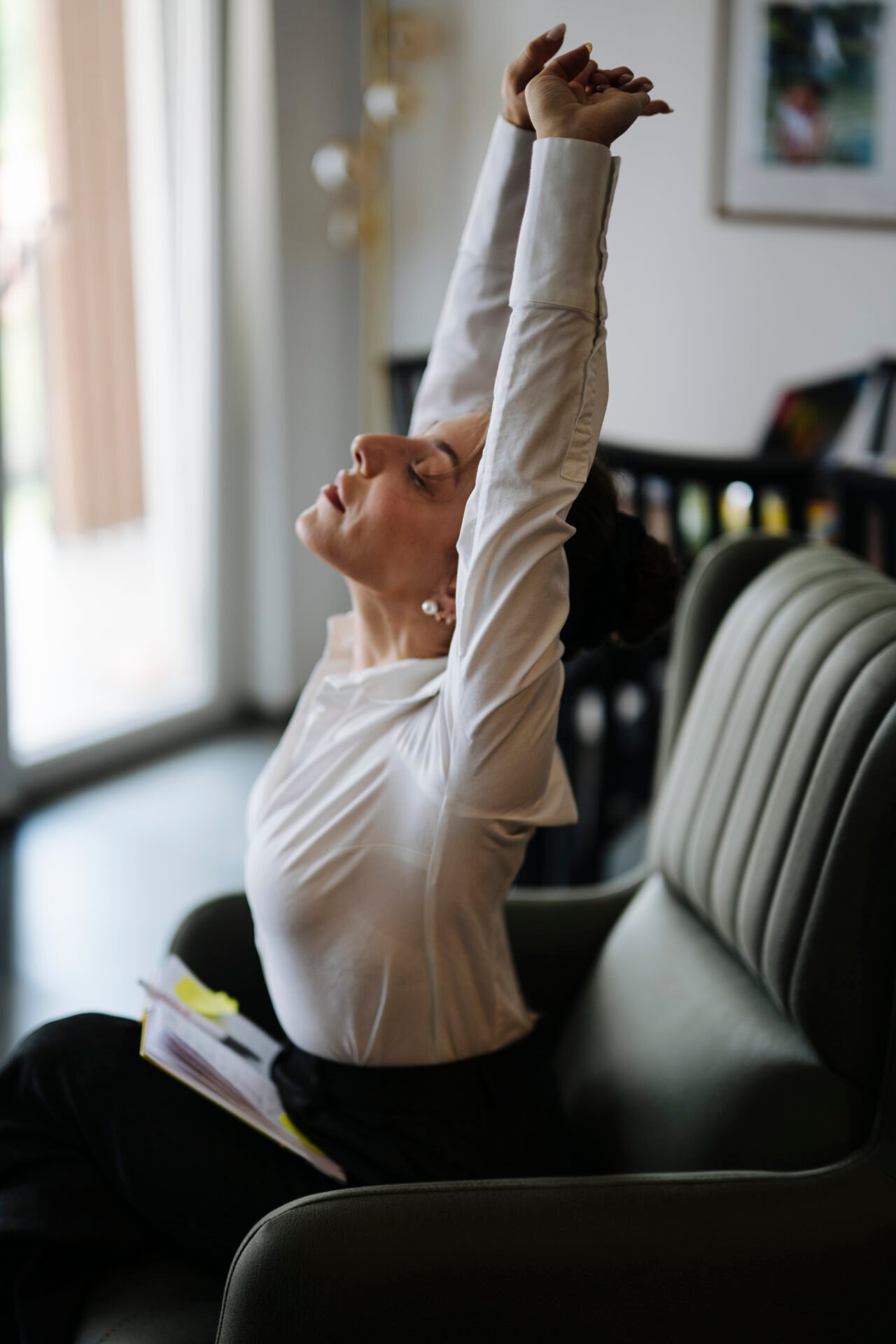
The movements below are gentle stretches commonly discussed in general guides to back and leg mobility.
They are described here for general information only — not as exercises prescribed for you, and not as a way to treat sciatica.
Move only as far as feels comfortable, breathe normally, and stop straight away if pain worsens, shoots further down the leg, or brings new numbness or weakness.
If anything here feels wrong for your body, skip it and ask a physiotherapist to show you a suitable alternative in person.
1. Seated Figure-Four Stretch
Sit upright in a sturdy chair with both feet flat on the floor, then rest one ankle across the opposite knee.
Keeping your back tall, lean gently forward only until you feel a mild stretch in the buttock area.
People often hold a gentle stretch like this briefly — around 15 to 30 seconds — and repeat it a few times, switching sides.
2. Knee Towards the Opposite Shoulder
Lie on your back with both knees bent, then draw one knee gently towards the opposite shoulder, holding behind the thigh if that is more comfortable.
Hold only as far as feels easy, then lower the foot back down and repeat on the other side.
A deeper floor version of the seated figure-four, sometimes called a reclining figure-four, follows the same idea while lying down.
3. Seated Spinal Twist
Sit tall with both feet flat, then turn your upper body gently to one side, using the chair or your knee for light support.
Keep the movement small and comfortable, hold briefly, return to facing forward, and repeat on the other side.
Never force a twist or bounce into it — a gentle range you control is the whole point.
Standing Stretches and Short Walks 🚶
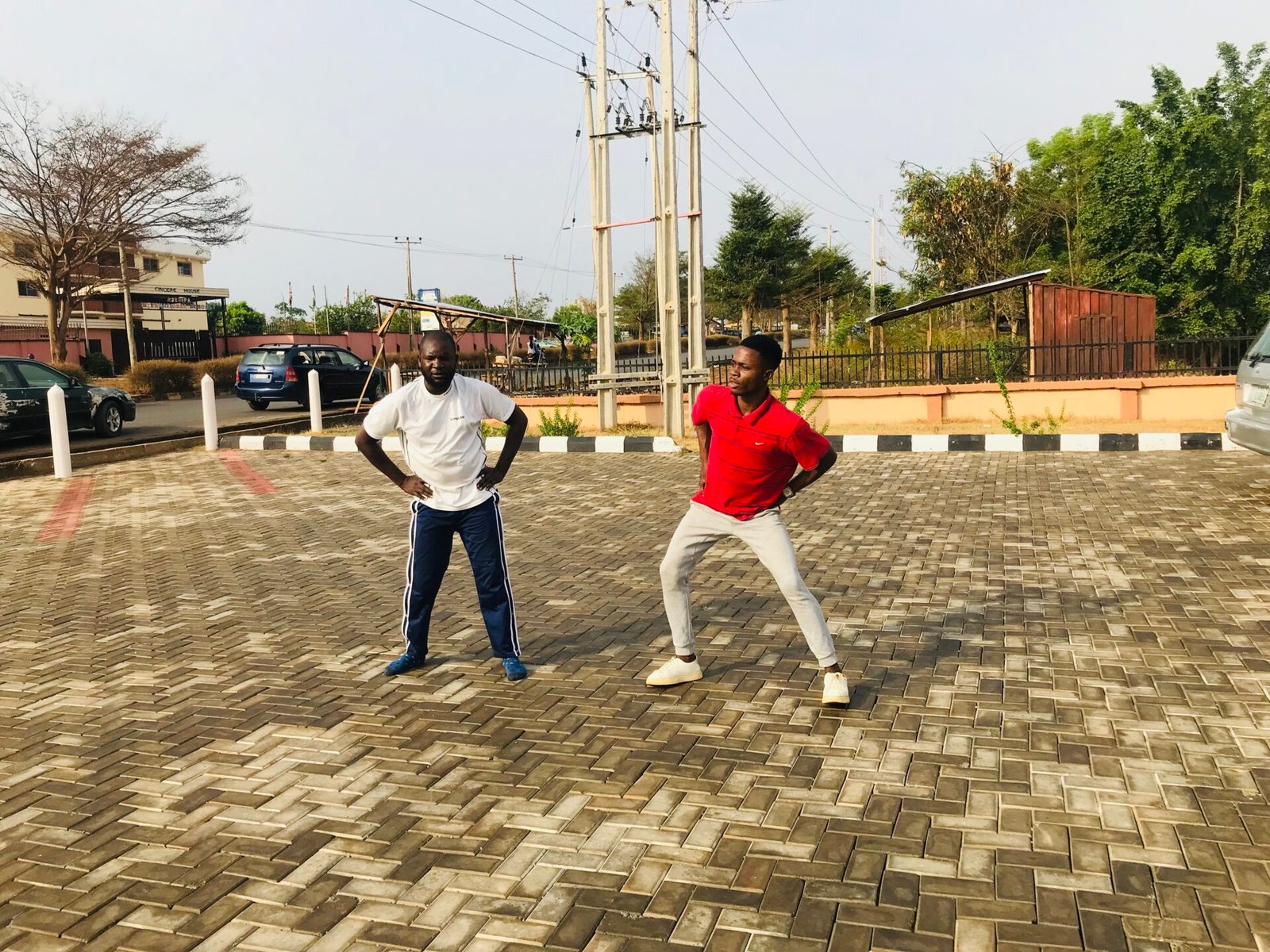
Standing movements can be a useful change of position after sitting, as long as they stay gentle and comfortable.
4. Standing Hamstring Stretch
Stand tall and place one heel on a low, stable step or block, keeping a soft bend in the knee if that feels better.
Lean forward slightly from the hips until you feel a mild stretch behind the thigh, hold briefly, then step back and switch sides.
A small amount of stretch is enough — there is no need to reach for the toes or chase a deeper position.
5. Short, Easy Walks
A short walk around the home or garden, little and often, is a simple way to break up long spells of sitting.
Start with whatever distance feels manageable, rest when you need to, and build up only as comfort allows.
If walking makes pain clearly worse or brings new symptoms, stop and seek advice rather than pushing on.
Questions People Often Ask 💬
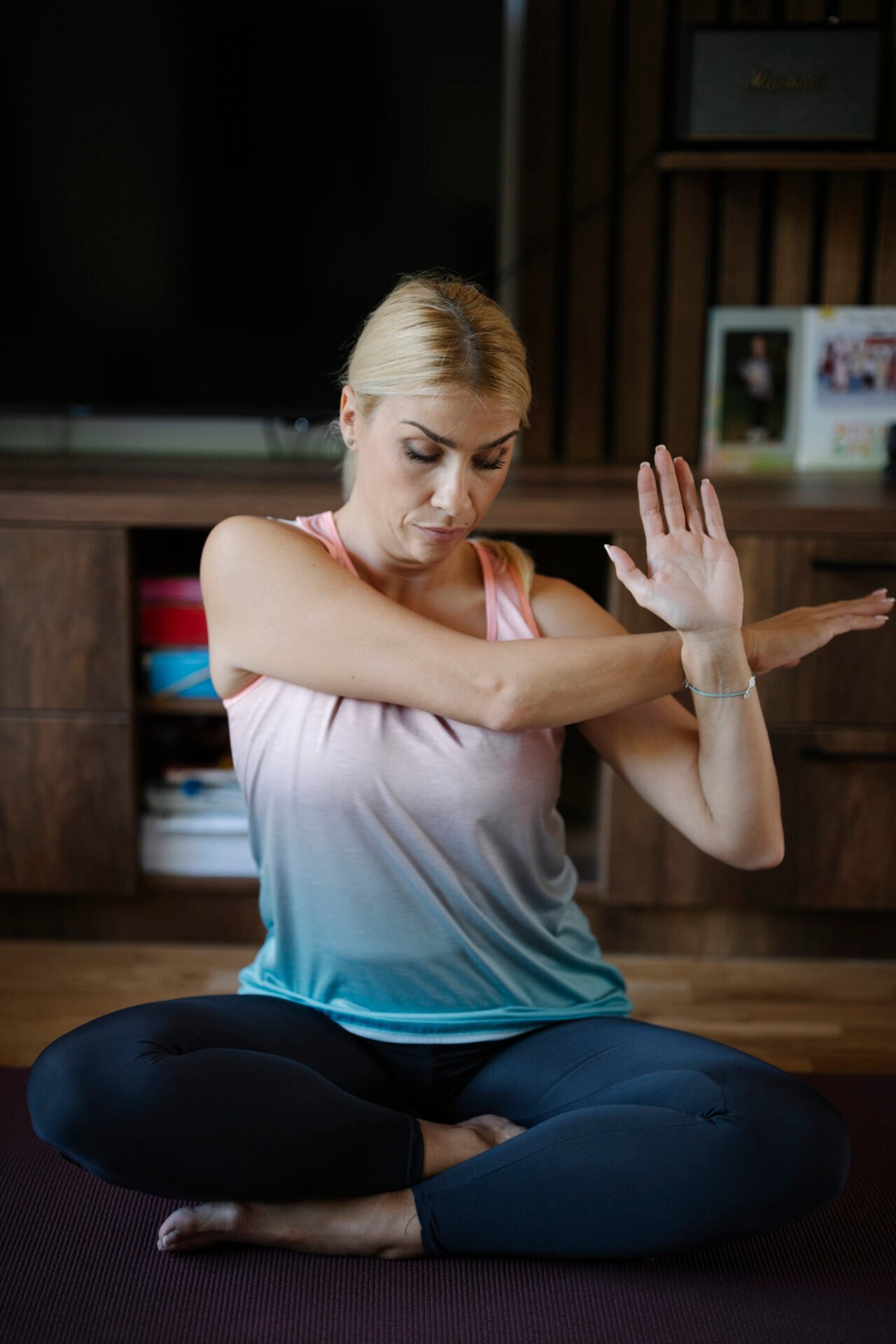
How long does sciatica usually last?
NHS guidance describes improvement over a few weeks to a few months for many people, though it can last longer and can come back.
Because every situation is different, a clinician is the right person to talk through what to expect in your case.
Is it sciatica if I only have back pain?
Probably not on its own — sciatica usually involves symptoms travelling down a leg as well as, or more than, back pain.
Back pain alone has many possible causes, which is another reason self-diagnosis is not a good idea.
What about back pain in pregnancy?
Back and leg discomfort in pregnancy is common, but this article makes no recommendations for pregnancy.
If you are pregnant and have back or leg pain, talk to your clinician, midwife or physiotherapist before trying any new movement.
What everyday habits support a healthy back?
General guidance points to regular activity, safe lifting technique, and comfortable sitting and standing positions.
Staying active over time, rather than in one big burst, is the pattern most guides describe — and our guide to obesity and its causes covers, in general terms, why extra body weight can add to back strain.
Smoking is also linked in general guidance with a higher chance of back problems, so stopping smoking is worth discussing with a clinician.
When should I stop and seek care?
Stop any movement that clearly worsens your pain, and seek care promptly for any warning sign listed earlier in this article.
This article is general information only, not medical advice — if you are unsure, a clinician or physiotherapist is the safest next step. 💛