

Robby Robinson, the bodybuilder fans called the “Black Prince,” built his name in bodybuilding’s Golden Era of the 1970s and 1980s. 🏋️
He retired from competition in 2001, yet he never really left the gym behind. In October 2026, at age 80, he shared physique comparison photos spanning 56 years, a reminder of just how long his training life has run.
This article looks at one reported version of his training split. It describes what was reported about his routine. It is not a workout plan for you to copy, and it promises no particular result.
A quick word on the pictures first. No verified free photograph of Robinson himself was available for this refresh, so every photo here is an illustrative gym photo of someone else training. Each caption says so plainly. 📸
The Man Behind the Split
Robinson, born on 24 May 1946, turned professional in 1975 and collected major titles in his first years, including Mr. America, Mr. World and Mr. Universe honours.
His best-remembered later triumph came at the first Masters Olympia in 1994, which he won overall at age 48. He went on to win the event’s Over-50 division in 1997 and 2000.
He also appeared in Pumping Iron, the film that carried Golden Era bodybuilding to a far wider audience. His long career is the reason his training habits still draw interest today.
One caution matters before the detail. Robinson has been reported with different training groupings at different times, so the split below is one reported version, not the single definitive routine of his life.
The Split at a Glance
As reported in the 2024 piece, the split ran across two alternating weeks: one heavy week and one light week. The weekly pattern listed five training days and two rest days.
That listing does not quite match the “three days on, one day off” label the same source used. The seven-day pattern below is what was actually listed, so this article reports that pattern and flags the mismatch rather than smoothing it over.
| Training day | Reported focus |
| Day 1 | Chest |
| Day 2 | Back |
| Day 3 | Shoulders |
| Day 4 | Rest |
| Day 5 | Legs |
| Day 6 | Arms |
| Day 7 | Rest |
Rest was treated as part of the pattern, not an afterthought. The reported idea was simple: muscles needed quiet days between hard sessions so they could recover before the next round.
Anyone reading this as general information should keep one safety rule in mind. Sharp pain is a stop signal, not something to train through, and a qualified coach is the right person to ask before trying heavy lifting.
Heavy Weeks and Light Weeks
The two-week rhythm was the split’s most distinctive feature. Heavy weeks leaned on heavier weights and lower repetitions, with the emphasis on tension in the working muscles.
Light weeks went the other way. They were looser and pump-focused, with more supersets, giant sets and overall volume, keeping the muscles busy without the same heavy loading.
The reported logic was variety. Alternating the two styles was said to stop training from going stale, while the rest days in each week gave the body room to recover.
Robinson himself was reported as saying he had never suffered a training-related injury. That is his reported claim, not an independently verified fact, and it should be read that way.
Chest Day
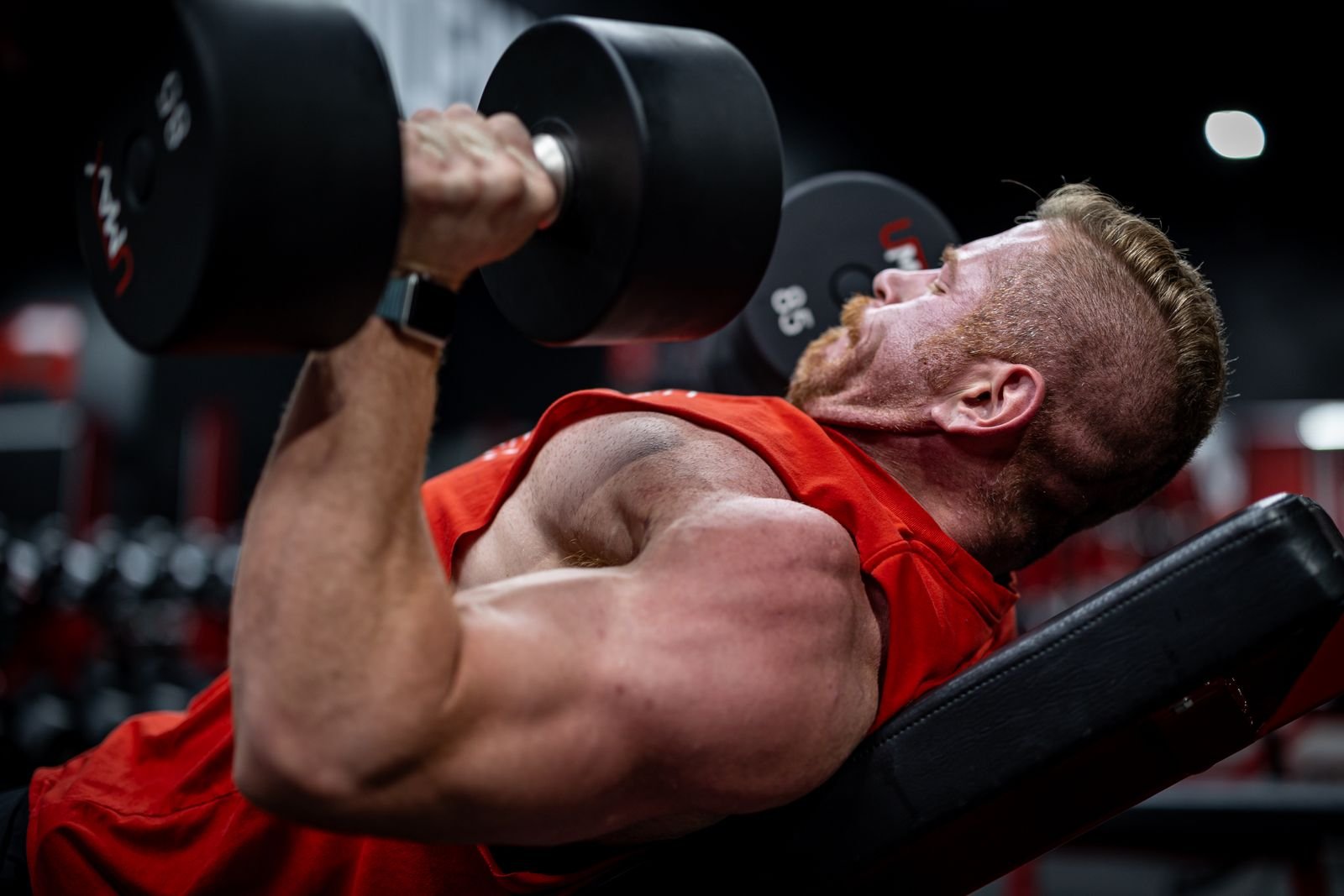
The reported chest day leaned on free-weight basics, the same kind of pressing and flye work associated with his 1970s and 1980s peak. Machines played a supporting role at most.
| Reported exercise | Reported sets and reps |
| Incline Dumbbell Press | 4 sets of 8 to 10 reps |
| Bench Press | 4 sets of 8 to 12 reps |
| Dumbbell Flyes | 4 sets of 10 to 12 reps |
| Pec Deck Flyes | 4 sets of 10 to 15 reps |
| Decline Push-Ups | 4 sets of 15 reps |
The through-line was simplicity. Presses and flyes, done with free weights, were presented as the foundation of his chest development rather than any elaborate machine routine.
Back Day
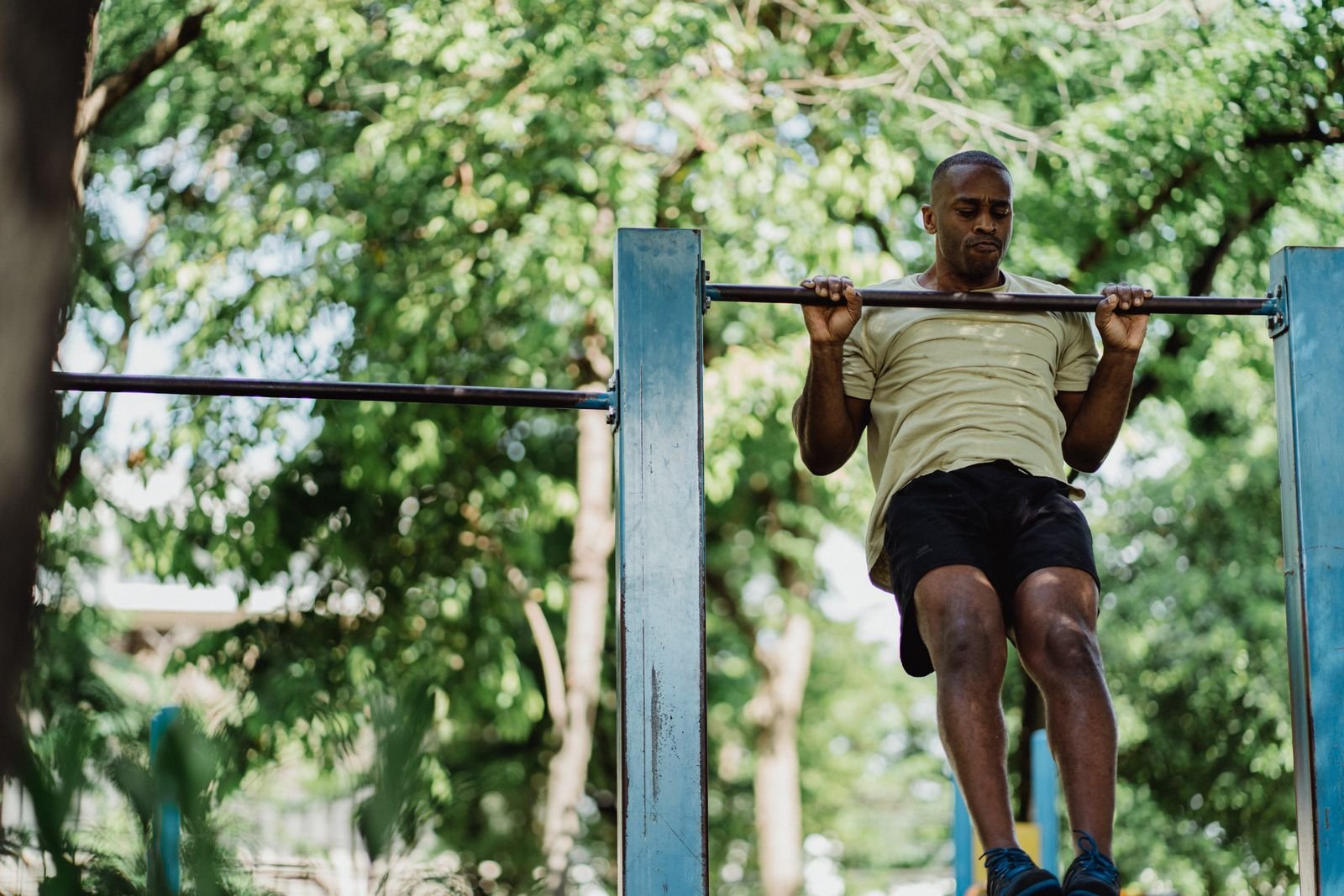
The reported back day stuck to classic compound movements. Pull-ups opened the session, followed by pulldowns, rows and a pullover.
| Reported exercise | Reported sets and reps |
| Pull-Ups | 4 sets of 10 reps |
| Wide Grip Lat Pulldown | 4 sets of 8 to 12 reps |
| Bent Over Dumbbell Rows | 4 sets of 8 to 10 reps |
| Bent Over Barbell Rows | 4 sets of 8 to 10 reps |
| Dumbbell Pullover | 4 sets of 8 to 12 reps |
Robinson was reported as preferring these tried-and-true movements over newer machines and constant angle changes. His back work, in this telling, was built on the basics and kept there.
Shoulder Day

The reported shoulder day aimed at all three heads of the deltoid, mixing overhead pressing with isolation work for the rear and side delts.
| Reported exercise | Reported sets and reps |
| Standing Overhead Barbell Press | 4 sets of 6 to 12 reps |
| Seated Dumbbell Overhead Press | 4 sets of 10 to 12 reps |
| Reverse Pec Deck Flyes | 4 sets of 10 to 15 reps |
| Cable Lateral Raises | 4 sets of 10 to 15 reps |
One finishing detail stood out in his own account. He described a front raise done while holding the sides of a 45-pound plate, saying: “For shoulders, I’ve been doing a front raise while holding the sides of a 45-pound barbell plate. I’ll get anywhere from 10-20 reps.”
He reportedly treated that plate raise as a finisher, not an opener, since it would have been too light to lead the session.
Leg Day
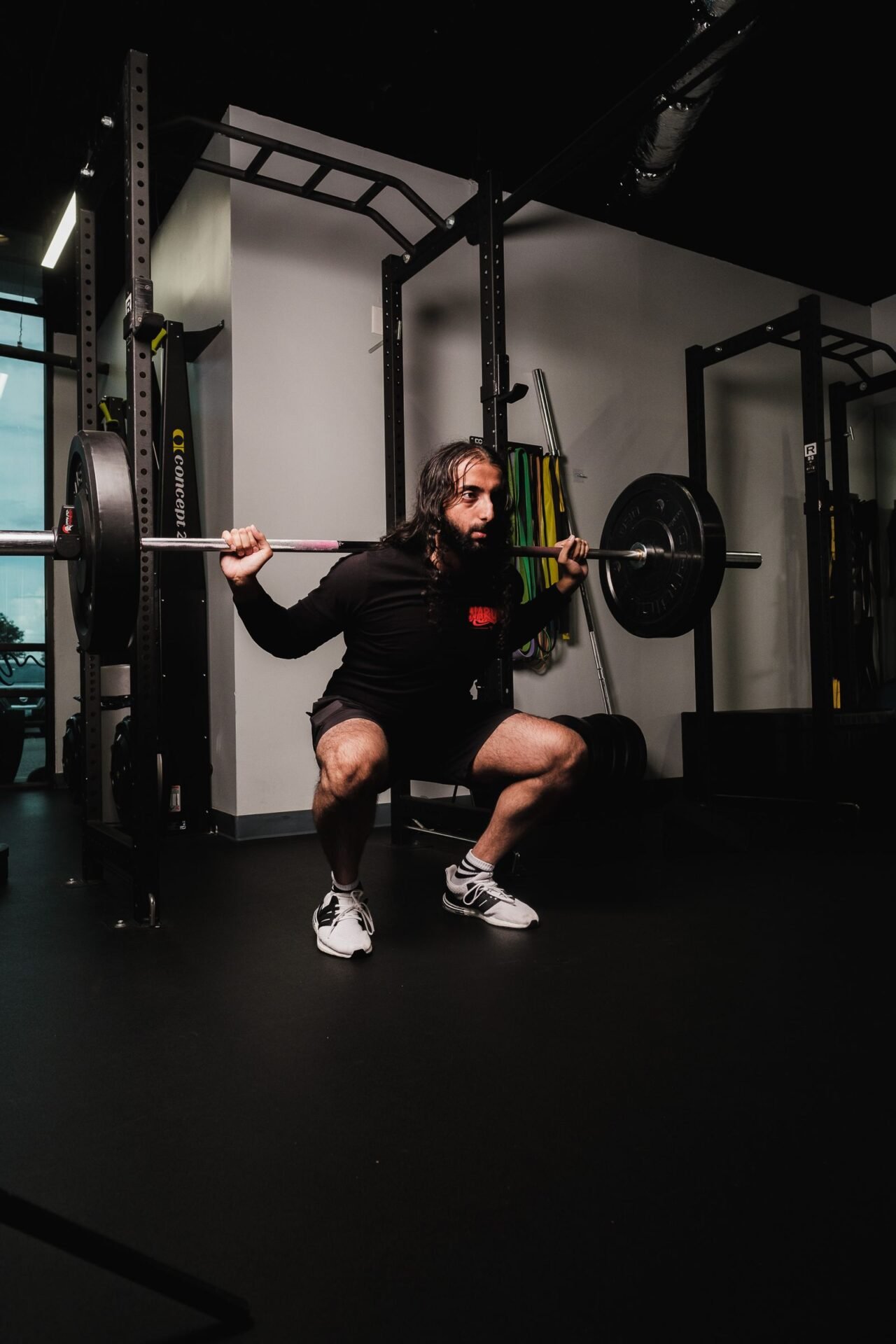
The reported leg day paired extensions and lying curls as a superset, then moved to hack squats, the leg press, stiff-leg deadlifts with dumbbells and standing calf raises.
| Reported exercise | Reported sets and reps |
| Superset: Leg Extensions and Lying Leg Curls | 4 sets of 8 to 10 reps each |
| Hack Squats | 4 sets of 6 to 12 reps |
| Leg Press | 4 sets of 6 to 12 reps |
| Dumbbell Stiff Leg Deadlifts | 4 sets of 8 to 12 reps |
| Standing Calf Raises | 4 sets of 15 to 20 reps |
He was reported as enjoying the back-and-forth feeling of working the front and back of the thighs in the same superset. The reported volume was usually four or five such supersets, not the far longer runs he said he could have done.
Arm Day
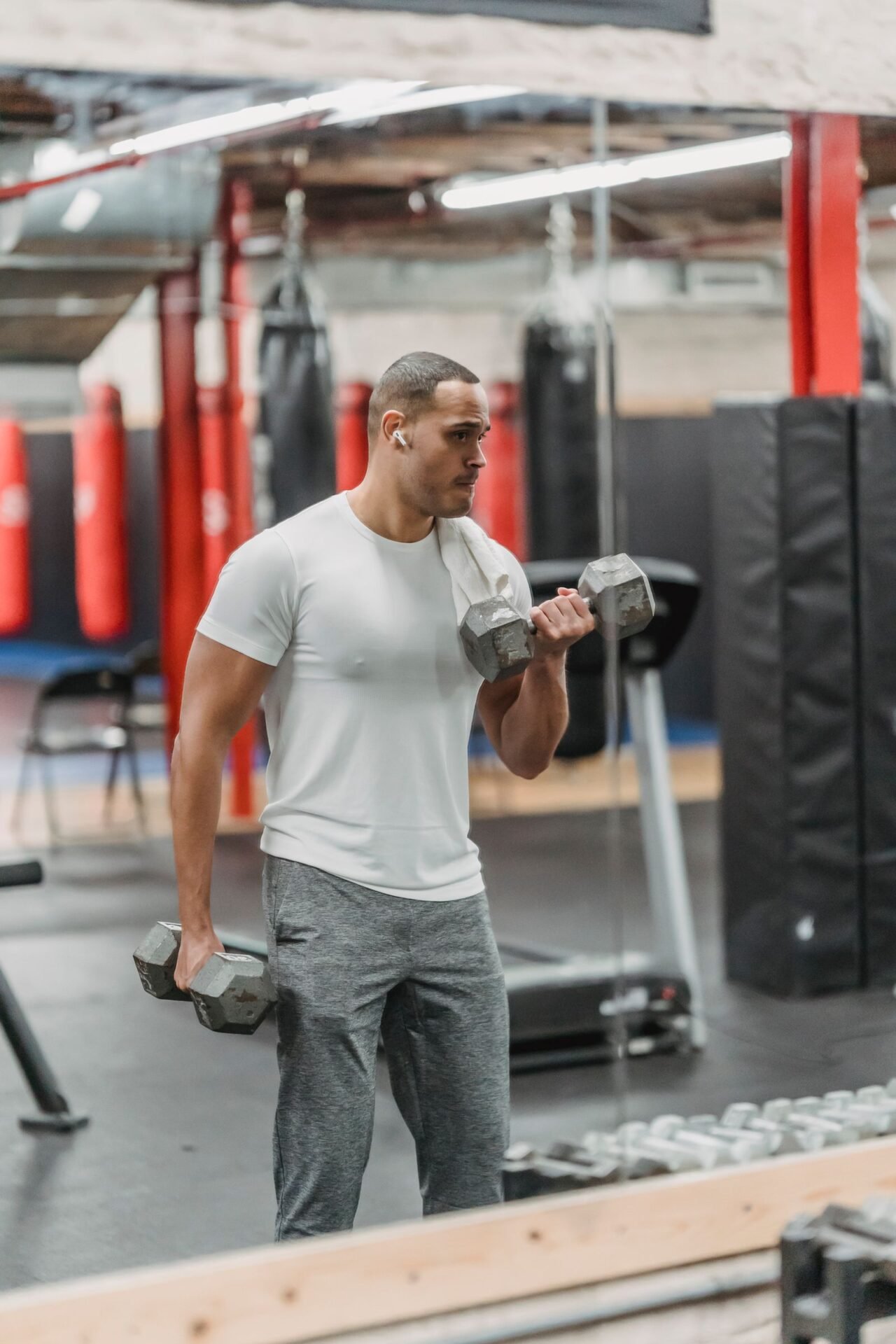
The reported arm day covered triceps, biceps and forearms in one session, with an emphasis on locking the arms out and keeping the movement strict.
| Reported exercise | Reported sets and reps |
| Cable Triceps Pushdowns | 4 sets of 8 to 12 reps |
| Close Grip Bench Press | 4 sets of 10 reps |
| Bodyweight Dips | 4 sets of 10 reps |
| Seated Dumbbell Curls | 4 sets of 8 to 12 reps |
| Standing Barbell Curls | 4 sets of 8 to 12 reps |
| EZ Bar Preacher Curls | 4 sets of 10 reps |
| Reverse Barbell Forearm Curls | 4 sets of 10 to 12 reps |
Curls with the upper arms held still were a recurring theme in his reported approach. The idea was to let the forearms do the moving while the upper arms stayed put.
What This Version Does Not Settle
Honesty requires saying what this article cannot confirm. The split above is the version carried by the 2024 piece, and it matches the Generation Iron write-up of the same routine.
But other accounts describe Robinson differently. This site’s own earlier profile of him grouped chest with back, shoulders with arms, and legs on their own day. An Iron Man interview grouped back with legs and shoulders with arms instead.
Those differences are not a mistake to hide. They show a lifter whose reported routine changed over a very long career, and whose later training was described in more than one way.
The detailed diet and supplement claims in the old piece were also left out of this refresh. They were generic, unsourced to any specific account from Robinson, and the supplement mentions read as promotion rather than reporting.
Frequently Asked Questions
Is this a workout plan I should follow?
No. This article describes a routine reported for Robinson. It is general fitness information about a historical figure, not a personal programme, and it comes with no promise about results.
Did Robinson really train without ever getting injured?
That is what was reported as his own account. It has not been independently verified, and it should not be read as proof that any routine is risk-free.
Why do other articles show a different Robinson split?
Because different reports captured different periods and groupings. The version here pairs one body part per day across five days, while other reports paired two body parts per session.
Is Robinson still training at 80?
As of October 2026, reporting of his 19 October 2026 Instagram post showed him sharing physique comparison photos at 80. That confirms he was still publicly training and posting then, not the details of any current routine.
The Old-School Thread
Strip away the tables, and one thread runs through every version of the story. Robinson’s reported training stayed close to free weights, basic compound movements and steady repetition over decades. 💪
That consistency, more than any single session, is what made the “Black Prince” a lasting reference point for Golden Era training.
For his reported favourite moves by body part, rather than the weekly split itself, see Robby Robinson’s Top 9 Exercises for Each Body Part. His earlier profile on this site is Bodybuilding Legend Robby Robinson Defies Age, and a related old-school split is Jay Cutler’s Chest Workout.