

A flat wall pad protects a wall face. 🧱 It does nothing for the corner beside it — the sharp plaster edge a bar end swings past, the door frame a plate catches, the rack upright a shin meets in a narrow room.
Corner protectors are the answer to those edges. A foam, rubber, or silicone guard wraps the corner itself, so the edge takes the bump instead of the plaster, the paint, or your skin.
This guide is different from our home gym wall padding guide. That one covers pads and panels on flat wall faces — the surface behind and beside you. This one covers the edges only: corners, door frames, and rack edges that a flat pad cannot wrap around. The wall padding guide does include one corner strip pick, the OYKSHDF 5-metre roll, but that is a single strip inside a wall-pad guide — this guide compares six corner protectors properly, and it does not re-pick that strip.
It is also different from door storage. Our home gym door organizers guide covers hooks and racks that hang gear on a door. The products below hang nothing — they guard the door’s edges and corners.
And it is different from floor lines. Our gym floor tape and markings guide covers tape stuck to a floor. Nothing in this guide goes on a floor.
One honest note up front: corner guards soften edge bumps and protect plaster, paint, and equipment edges. They do NOT prevent injury, they do NOT replace coaching, and they do NOT make a crowded or unsafe area safe. They are not structural protection, and they are not a child-safety certification — they are foam, rubber, and silicone on an edge. This guide is general information only.
Safety note: check the fixings, not just the guard. A guard that peels off mid-session and lands underfoot is a trip hazard, not protection. Press adhesive strips firmly on installation, re-check them monthly, and replace any guard that peels, hardens, or cracks.
How We Picked
We picked guards that are genuinely sold, suit a home gym’s corners and edges, and cover one clear job each: a rubber wall strip, a foam edge strip, pre-cut short guards, a clear silicone strip, a paintable corner trim, and discrete corner bumpers. We compared maker-listed sizes, thicknesses, materials, and fixings with buyer feedback.
This is research-based guidance. We did not buy or hands-on test these products. Specs come from maker listings and verified buyer reviews, and we flag where an offer or a listing detail needs confirming before you order.
Quick Comparison
| Guard | Type | Size | Best for |
|---|---|---|---|
| Rubber Bond Wall Corner Guard 5-Pack | Rubber strip | 1 x 1 x 36 in each | Best overall — rubber wall strip |
| XPLKQXE NBR Foam Edge Strip 2-Pack | Foam strip | 2 m roll, 1.46 in wide | Best foam strip |
| POPAKAN Corner Guards 4-Pack | Pre-cut rubber guards | 1.57 x 1.57 x 23.62 in each | Best pre-cut short guards |
| Angloria Silicone Edge Protector 3 ft | Clear silicone strip | 3 ft strip | Best clear silicone strip |
| Elvone TPE Corner Trim 20 ft | Corner trim / moulding | 2.36 in wide x 20 ft | Best trim that blends in |
| Gudui Clear T-Shaped Corner Bumpers 8-Pack | Discrete corner bumpers | 1.4 x 1.4 x 1.4 in each | Best discrete bumpers |
Prices change often, so this guide does not quote prices. Check the listing at the time you buy, and confirm the size and colour before ordering — several guards below share a name across sizes and packs.
1. Rubber Bond Wall Corner Guard 5-Pack — Best Overall

Who it suits: anyone guarding several wall corners at once — a garage gym, a spare-room gym, or a hallway that doubles as a training route.
Pros: five 36-inch rubber strips cover five corners in one pack; stain-resistant rubber is soft, durable, and holds its shape; self-adhesive strips make installation tool-free, and strips cut to size; discreet black finish blends with most rooms.
Cons: one inch of coverage each side of the corner is modest — a wide, rounded corner may need a wider guard; the listing crawl showed no featured offers, so availability needs confirming; adhesive grips best on clean, smooth walls, so dusty garage plaster needs cleaning first.
Confirm a current offer before ordering — the listing crawl behind this pick is several months old. Check price on Amazon
2. XPLKQXE NBR Foam Edge Strip 2-Pack — Best Foam Strip
Who it suits: home gyms with long edges to cover — a rack frame edge, a long door frame, a windowsill, or a stair edge beside the training area.
Pros: two metres of high-density NBR foam per strip, cut to any length; soft foam absorbs a bump better than a thin hard guard; self-adhesive backing, no tools needed; the maker describes the foam as supportive and slow to deform.
Cons: foam is thicker and softer than rubber, so it suits bumps and brushes, not hard plate strikes; the listing carries a second code for a variant, so confirm the 2-piece black strip before ordering; the listing crawl showed no featured offers, so confirm a current offer.
3. POPAKAN Corner Guards 4-Pack — Best Pre-Cut Short Guards
Who it suits: anyone who wants guards ready to stick, with no measuring or cutting — four corners, four guards, done in minutes.
Pros: four pre-cut rubber guards, each about 23.62 inches long with a 1.57-inch wing each side; Amazon’s Choice listing, so availability and ratings are easy to check; self-adhesive, L-shaped, and thick enough at 0.28 inches to soften a real bump; ships from Amazon.
Cons: pre-cut length means a taller corner needs two guards stacked, with a visible join; the listing crawl showed no featured offers, so confirm a current offer; rubber guards in bright colours stand out — pick a colour that suits the room.
4. Angloria Silicone Edge Protector 3 ft — Best Clear Silicone Strip
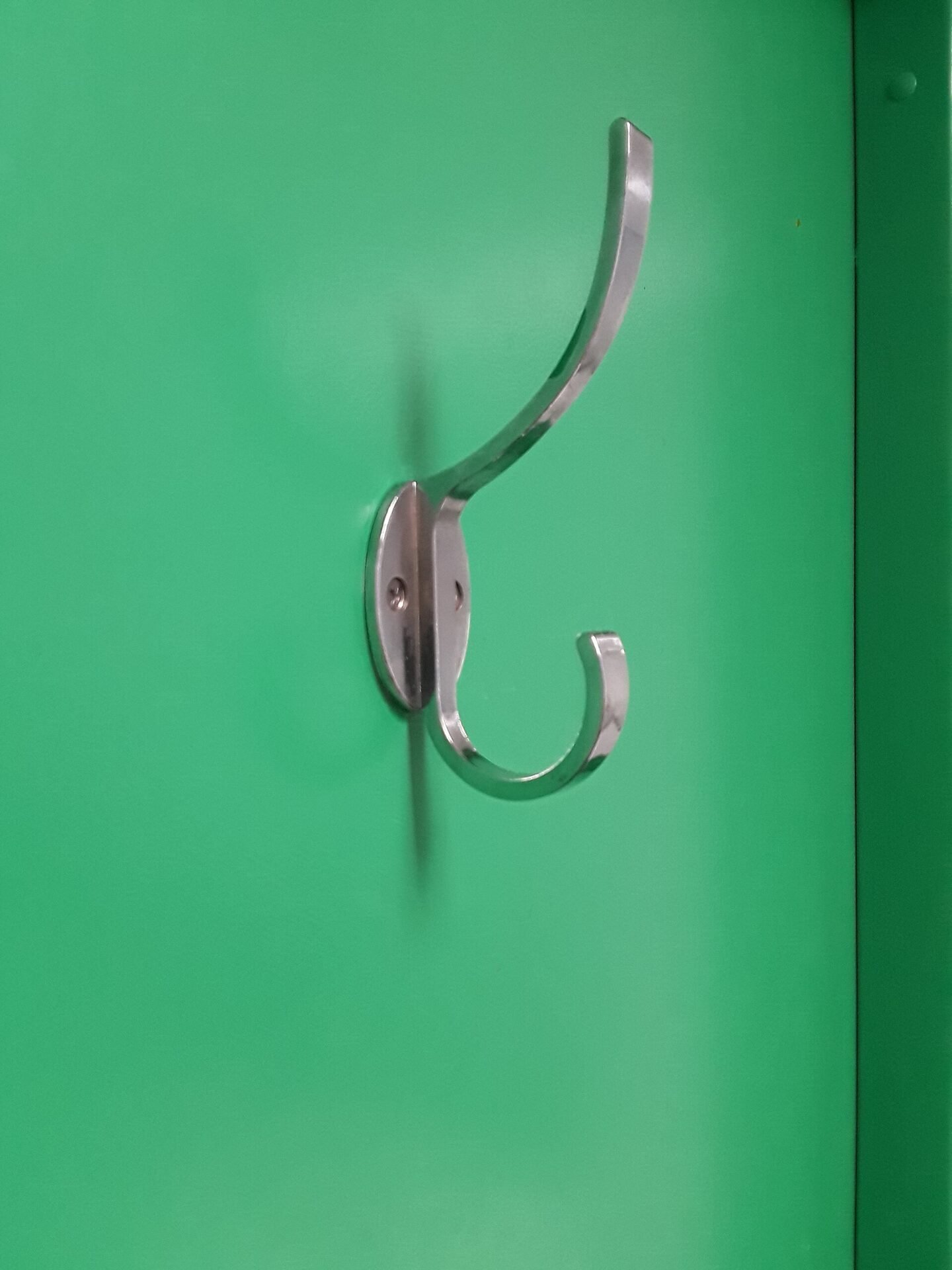
Who it suits: spare-room gyms and visible rooms where a black rubber strip would look wrong — a clear silicone strip guards the edge and nearly disappears.
Pros: food-grade silicone, soft and flexible, with pre-taped adhesive; clear finish blends with wood, glass, and painted walls; ships from Amazon and sold by the brand; several widths suit thin and wide edges alike.
Cons: silicone is thinner protection than rubber or thick foam — it suits brushes and light bumps, not hard strikes; the listing offers many size options, so confirm the clear 3-foot strip before ordering; clear silicone shows dust and marks sooner than a dark guard.
5. Elvone TPE Corner Trim 20 ft — Best Trim That Blends In

Who it suits: anyone who wants corner protection that looks like part of the room — a finished spare-room gym, a hallway, or a rented room where the guard must not shout.
Pros: thermoplastic elastomer trim, 2.36 inches wide and 20 feet long, cut to fit any corner run; folds inward, outward, or flat, so it suits inside corners, outside corners, and flat edges; self-adhesive, waterproof, and easy to clean; paintable, so it can match the wall colour.
Cons: a trim is a finish, not a thick pad — it protects the corner’s surface more than it cushions a hard bump; the listing crawl is about a year old and showed no featured offers, so confirm a current offer; a 20-foot roll is more than one corner needs, so measure first or share the roll.
6. Gudui Clear T-Shaped Corner Bumpers 8-Pack — Best Discrete Bumpers
Who it suits: anyone guarding single sharp corners — a rack foot, a shelf corner, a table edge in the training area — without covering a whole wall edge.
Pros: eight T-shaped bumpers, each 1.4 inches on every side, with three-sided pre-applied adhesive for a firm grip; clear finish stays nearly invisible on wood, glass, and metal; small size suits tight spots a long strip cannot fit; the maker says the bumpers are too large to swallow, which matters in a shared family room.
Cons: small bumpers guard one corner each — a full wall edge needs a strip, not eight bumpers; the listing describes the material two ways, PVC in one field and silicone in another, so confirm the material on the listing if it matters to you; the listing crawl showed no featured offers, so confirm a current offer.
How to Choose
Five checks before you buy — each one saves a re-order.
Guard Type: Foam Corner Guards vs Rubber Edge Guards vs Silicone Bumpers

A foam corner guard is a soft, thick strip that wraps an edge and absorbs a bump — the XPLKQXE pick. It is best for long edges and for rooms where softness matters more than a hard finish.
A rubber edge guard is a firmer strip that holds its shape and resists scuffs — the Rubber Bond and POPAKAN picks. It is best for wall corners that take repeated knocks, like garage corners and door frames.
A silicone bumper is a small, clear guard for a single corner — the Angloria strip and Gudui bumpers. It is best where looks matter and the bump is light: a spare room, a shelf corner, a rack foot.
A corner trim is a flat moulding that finishes and protects a corner at once — the Elvone pick. It is best for a finished room where the guard should blend in, not stand out.
Heavy-duty screw-mount rubber guards — the thick black-and-yellow guards sold for car parks and warehouses — are a different class again. They suit vehicle traffic, not a home gym, and they are sold mainly direct or through industrial suppliers, so no such guard is picked here: for a home gym, adhesive foam, rubber, and silicone cover the job without drilling.
Match the type to the edge. A wall corner wants a rubber or foam strip; a single sharp point wants a bumper; a finished room wants a trim.
Thickness and Coverage
Thickness decides how much bump a guard absorbs. A thin silicone strip softens a brush; a 0.28-inch rubber guard or a 0.47-inch foam strip absorbs a real knock. For a corner a bar end swings past, pick the thicker guard.
Coverage decides how much wall each side of the corner is protected. A 1-inch wing guards the edge itself; a 1.57-inch wing guards a little more plaster each side. Measure the corner’s damaged area first — guards that stop short of the scuffed plaster leave the worst spot bare.
Length decides how many guards a corner needs. A 36-inch strip covers a bar-height corner in one piece; a 23.62-inch guard covers a shorter run; a 20-foot roll covers a whole room’s corners. Count corners, then count packs — a five-pack that covers five corners beats five single buys.
Material and Durability
Rubber is the durable all-rounder: it holds its shape, resists scuffs, and handles garage air and damp better than foam. The Rubber Bond and POPAKAN guards are rubber for exactly that reason.
NBR foam is softer and absorbs more of a single bump, but it dents and hardens over time where the same spot keeps getting hit. The XPLKQXE strip is NBR foam — check it now and then, and replace a strip that has gone hard or flat.
Silicone is flexible, clear, and easy to clean, but it is thinner protection than rubber or thick foam. The Angloria strip suits visible rooms; it does not suit a garage corner that takes plate strikes.
TPE trim is a firm, paintable finish that lasts well on a wall but cushions less than foam or rubber. The Elvone trim protects a corner’s surface and looks tidy; it is not the pick for a corner that takes hard hits.
Surface and Storage Suitability

In a garage, guards earn their keep fastest: block and concrete corners chip and dust when plates and bars meet them, and a rubber strip stops both. Rubber suits garages best, since it handles damp air and wipes clean.
In a spare room, guards protect plaster and paint — and the deposit, for renters. Self-adhesive strips suit rented rooms, since they come off with less damage than screwed guards. Test one guard first, though: some paints peel with the strip.
Behind the rack is the highest-value spot in any home gym. Bars drift there, plates swing there, and the wall corners behind the rack take more hits than any other corner in the room. Guard those corners first, then the door frame, then the rest.
For storage, spare guards need little care: keep rolls flat, cool, and dry, since heat ages adhesive before the strip ever reaches a wall. A roll left curled in a hot garage unrolls stiff and grips poorly.
What No Corner Protector Makes Safe

A guard softens a bump; it does not make a room safe. If the floor is crowded, the walkway is blocked, or kit is stacked where it can fall, a guard changes none of that.
A guard is not structural protection. It will not hold a crumbling corner together, it will not stop a rack from tipping, and it will not absorb a dropped barbell. Heavy drops belong on a platform on the floor, and a tipping rack needs fixing, not foam.
Check the fixings, not just the foam. A guard that peels off mid-session and lands underfoot is worse than no guard at all. Press adhesive strips firmly on installation, re-check them monthly, and replace any guard that no longer grips.
And keep expectations honest. A guarded corner does not prevent injury, does not replace coaching, and does not make a training plan safe. Those come from the training itself, the space around you, and — where it matters — professional advice.
Frequently Asked Questions
Will a corner guard damage my wall when I remove it?
Self-adhesive guards usually come off cleanly if the wall was clean and painted properly. Strips can lift weak paint, so test one guard in a hidden spot first. Screwed heavy-duty guards leave holes — that is why none is picked in this guide.
Can I just use wall padding on a corner instead?
Not well. A flat pad cannot wrap a sharp corner, so it leaves the edge itself bare — the very spot that chips. Use pads for wall faces and guards for corners; our wall padding guide covers the flat-wall side of that job.
What size guard do I need for a wall corner?
Measure the damaged area each side of the corner, then pick a wing width that covers it — 1 inch for the edge itself, 1.57 inches for a little more plaster each side. For length, one 36-inch strip covers a bar-height corner; taller corners need two guards stacked.
Do corner guards work on rounded corners?
Only partly. Foam strips bend around a gentle curve, but a tight round corner needs a flexible strip, not a rigid pre-cut guard. Test one strip first — if it gaps at the curve, a wider foam strip is the better pick.
Will a guard stop a barbell damaging my wall corner?
It softens the bump a lot, but it will not make a corner barbell-proof. A hard, repeated plate strike in the same spot will eventually dent foam and mark the wall behind it. Guards buy protection, not invincibility — and they never replace lifting with control.
Can I leave corner guards outside?
Only briefly, and only rubber guards. Most guards in this guide suit garages and spare rooms first; long outdoor exposure, storms, and standing water will beat foam and silicone. Bring guards inside for bad weather.
Our Pick in One Line

If you buy one thing, buy the Rubber Bond Wall Corner Guard 5-Pack — five 36-inch rubber strips that guard five corners in one pack, with a discreet black finish. 🏋️
If your edges are long, add the XPLKQXE foam strip for cut-to-length coverage. And if the room must stay looking tidy, the Elvone corner trim guards a corner and paints over to match the wall.
Whichever you choose, guard the corners behind the rack first, measure before you order, and check the fixings monthly — a guard that stays on the corner is the only kind that protects it.
For the flat walls around those corners, see our home gym wall padding guide. And for the door that carries your kit in and out, see our home gym door organizers guide.
As an Amazon Associate, we earn from qualifying purchases made through links on this page, at no extra cost to you. This guide is research-based: we compared maker listings and verified buyer reviews, and we did not buy or hands-on test these products. Prices change often, so always check the current offer before ordering. This article is general information only and is not professional, medical, or safety advice.