

A sprint sled is the simplest heavy-resistance tool in the home gym — a steel frame, some weight plates, and a strip of ground to push or pull it across. No motor, no screen, no subscription. Just load it, lean into it, and move it, for as long as your legs and lungs hold out. 🛷
Load the plates, grab the handles or clip the harness, and go. The sled’s capacity decides how heavy you can train, its base decides which surfaces it glides on, and its handles decide whether you push, pull, or both.
But let us be plain from the start: a sled adds heavy resistance training, but it does not build speed by itself, it does not prevent injury by itself, it does not replace progressive training, and it does not make a rough or crowded training area safe.
Used the right way — the right capacity for your strength, on a surface the sled suits, checked before every session, progressed slowly — a sled is one of the most effective ways to add real strength and conditioning work to a home gym.
How We Picked These Sprint Sleds
Photo: Taco fleur / Wikimedia Commons
This guide is research-based. We did not buy or hands-on test these sleds, and we do not claim otherwise.
We compared verified buyer reviews and manufacturer specifications, and we checked each product’s Amazon listing status through search results and listing trackers.
We picked 6 sleds that are genuinely sold and cover different needs: a best-overall heavy-duty push-pull sled, a portable value sled, a high-and-low push sled, a compact adjustable sled, a classic drag sled, and a lawn-friendly curved-base sled.
Prices are not quoted in this guide because they change often. The check-price links take you to the current listing, where you can see the latest price and availability.
Availability and plate options vary, so if your option shows as unavailable, check the listing’s other options before switching products.
One note before we start: capacity is the least forgiving figure in this guide. A sled rated for 750 pounds that you load with 100 teaches nothing, while a sled rated for 150 that you load with 300 breaks something — read the capacity section before you trust any single number.
Quick Comparison
Photo: GymNation / Wikimedia Commons
| Sled | Type | Capacity | Best for |
|---|---|---|---|
| TYRSEN Heavy-Duty Weight Sled | Push-pull, adjustable handle | 550 lb | Best overall |
| VEVOR Weight Sled | Push-pull, 5-height handle | 276.6 lb | Best value |
| Dolibest Heavy Duty Weight Sled | Push-pull, high + low handles | Heavy-duty | Best push-pull |
| GanFindX Weight Sled | Push-pull, 5-level handle | Compact | Best compact |
| Titan Fitness Power Speed Sled | Drag sled, leash + harness | 500 lb | Best drag sled |
| Kipika Weight Sled | Drag sled, curved base | 1″ & 2″ plates | Best lawn-friendly |
1. TYRSEN Heavy-Duty Weight Sled — Best Overall
Photo: Wikimedia Commons
Who it suits: athletes who want one trusted, no-fuss sled for pushing, pulling, and dragging across most surfaces, from a seller with a large buyer base.
TYRSEN’s heavy-duty weight sled is a steel push-pull sled with an adjustable-height handle, an adjustable shoulder strap and a pulling strap included, rated for up to 550 pounds, and built to take both 1-inch and 2-inch plates. It suits running speed work, agility, soccer, football, strength, and CrossFit-style training alike.
The adjustable handle is the honest advantage here: one handle height suits a tall athlete pushing upright, while a lower height suits a sprinter driving low, and a sled that adjusts covers both without a second purchase. The included straps mean drag work starts on day one, with nothing extra to buy.
Pros: 550-pound capacity for genuine heavy work; adjustable-height handle for different push angles; shoulder strap and pulling strap included; takes both 1-inch and 2-inch plates; heavy-duty steel construction; sold and shipped by the brand’s own store.
Cons: listing crawls showed no featured offers available at times, so check availability before ordering; a heavy-duty sled is bulky to store — measure your space before ordering; 550 pounds is far more than a beginner needs, so start light whatever the rating says.
👉 Check price on Amazon (check availability — listing crawls showed no featured offers at times).
2. VEVOR Weight Sled — Best Value
Photo: Rodhullandemu / Wikimedia Commons
Who it suits: home lifters who want a real push-pull sled without paying premium-brand money, and who value portability over maximum load.
VEVOR’s weight sled is a Q235 steel push-pull sled with a five-height adjustable handle, dual support for 1-inch and 2-inch plates, a padded adjustable harness included, and a stated load capacity of 276.6 pounds. It disassembles for transport and storage, and at about 19 pounds empty it is one of the lighter sleds here.
Portability is the honest advantage here: a sled that breaks down fits a car boot and a small garage, while a welded prowler needs a permanent corner. The five handle heights cover push and pull angles that fixed-handle sleds cannot, which matters when several athletes share one sled.
Pros: five-height adjustable handle for varied push and pull angles; takes both 1-inch and 2-inch plates; padded adjustable harness included; disassembles for transport and storage; Q235 steel construction; about 19 pounds empty, easy for one person to move.
Cons: the Amazon link below rests on a single search-result source, so confirm the listing matches the VEVOR push-pull sled before ordering; 276.6-pound capacity is well below the heavy-duty sleds here, so advanced lifters will outgrow it; weight plates are not included.
👉 Check price on Amazon (please confirm the listing matches the VEVOR push-pull weight sled, since the link rests on a single source).
3. Dolibest Heavy Duty Weight Sled — Best Push-Pull
Photo: Tyler Read / Wikimedia Commons
Who it suits: athletes who want a dedicated push-pull prowler — high handles, low handles, and drag work — at a best-seller’s price.
Dolibest’s heavy-duty weight sled combines three training methods in one frame: high push handles, low push handles, and pull training, with two detachable push poles, a removable handlebar for low pushes, and four extra link buckles for attaching sled straps. It takes both 1-inch and 2-inch plates, and buyers bought 50 or more of them in a recent month.
Three methods in one frame is the honest advantage here: most sleds in this guide do two things well, while this one is built for high pushes, low pushes, and pulls without swapping equipment. The detachable poles also mean the sled packs smaller than a welded prowler when the session ends.
Pros: high push, low push, and pull training in one frame; detachable push poles and removable low handlebar; four link buckles for strap attachment; takes both 1-inch and 2-inch plates; very large recent buyer base.
Cons: one listing crawl showed no featured offers available, so check availability before ordering; a prowler frame is larger and heavier to store than a drag sled; harness and straps are not listed as included, so budget for them if you plan to drag.
👉 Check price on Amazon (check availability — one recent crawl showed no featured offers).
4. GanFindX Weight Sled — Best Compact
Photo: Akhlispurnomo / Wikimedia Commons
Who it suits: home athletes short on space who want a compact steel sled for speed and strength work, with a harness included.
GanFindX’s weight sled is a steel push-pull sled with an adjustable five-level handle, a harness and drag straps included, and compatibility with both 1-inch and 2-inch plates. It carries a two-year warranty, and its compact frame suits home gyms where a full prowler would dominate the floor.
Compact is the honest advantage here: a small frame turns, stores, and transports easily, and a five-level handle still covers the push and pull angles a fixed sled cannot. The included harness means drag sessions start immediately, with no extra purchase.
Pros: compact steel frame for small home gyms; adjustable five-level handle; harness and drag straps included; takes both 1-inch and 2-inch plates; two-year warranty; suits speed and strength training alike.
Cons: a compact frame means a smaller plate area than the heavy-duty sleds, so check your plates fit before ordering; no stated capacity was pinned down in this research, so load conservatively; compact sleds tip more easily under uneven loads — centre the plates.
5. Titan Fitness Power Speed Sled — Best Drag Sled
Photo: Wikimedia Commons
Who it suits: sprinters and field athletes who want a classic drag sled — light to carry, simple to load, built for resisted sprints.
Titan Fitness’ Power Speed Sled is a plate-loaded drag sled that fits 2-inch Olympic plates, weighs about 37 pounds empty, measures roughly 24 by 16 inches, and comes with a leash and harness — 10 feet on one version, 14.5 feet on another. It works on grass, carpet, or concrete, needs little assembly, and is rated for up to 500 pounds on the main version.
Simplicity is the honest advantage here: no uprights to assemble, no handles to adjust, just a plate pin, a leash, and open ground. A drag sled also suits sprint work better than a prowler, since nothing blocks your stride and the load trails behind you.
Pros: classic drag design with no uprights to assemble; fits 2-inch Olympic plates; 500-pound capacity on the main version; leash and harness included; works on grass, carpet, and concrete; light enough at 37 pounds to carry one-handed.
Cons: no confident US Amazon product page was pinned down, so the link below is a search link — confirm the listing matches the Titan Power Speed Sled before ordering; Titan sells two close versions (a 500-pound leash version and a 150-pound deluxe-harness version), so confirm the capacity you are buying; a drag sled cannot be pushed, so buy a prowler if pushing matters to you.
👉 Check price on Amazon (search link — no confident US product page was found, so confirm the listing matches the Titan Power Speed Sled and confirm the 500-pound version, not the 150-pound deluxe-harness version).
6. Kipika Weight Sled — Best Lawn-Friendly
Photo: Jdsteakley / Wikimedia Commons
Who it suits: athletes who train on lawns, driveways, and uneven ground, and who want a light sled that clears cracks and bumps instead of catching on them.
Kipika’s weight sled is a steel drag sled with a curved arc-tube base, compatibility with both 1-inch and 2-inch plates, adjustable shoulder straps included, and an empty weight of about 10.4 pounds. It measures roughly 22.4 by 14.2 inches, and roundups rank it first for driveway training.
The curved base is the honest advantage here: flat steel runners catch on cracks, kerbs, and uneven lawn, while an arc base rides over them, which is why this sled suits driveways and gardens better than a flat prowler. At about 10 pounds empty, one person carries it without a fight.
Pros: curved arc base that clears cracks and uneven ground; takes both 1-inch and 2-inch plates; adjustable shoulder straps included; about 10.4 pounds empty, the lightest here; compact 22.4 by 14.2-inch frame; top-ranked by driveway-training roundups.
Cons: a light drag sled cannot be pushed, so buy a prowler if pushing matters to you; the arc base trades straight-line stability for obstacle clearance, so it suits drags better than heavy pushes; weight plates are not included.
How to Choose the Right Sprint Sled
Photo: Shixart1985 / Wikimedia Commons
Start with your surface, then your strength, then your style. A sled that digs into your ground will not move however strong you are, and a sled rated far above your strength is dead weight you paid to store.
Then buy in this order: a drag sled first if you sprint, a push-pull sled first if you want everything, and a heavy-duty prowler first if you train a team.
Sled type: push vs pull vs combined — what each actually does
Photo: Tokumeigakarinoaoshima / Wikimedia Commons
Push sleds (prowlers like Dolibest, and push-pull sleds used upright) load the legs and upper body together: you lean into the handles and drive, which suits strength and conditioning work — but they need a flat, clear strip, and they take up the most storage.
Pull and drag sleds (Titan, Kipika) trail behind you on a leash or harness: they suit sprint work, backward drags, and conditioning, since nothing blocks your stride — but they cannot be pushed, so they cover half the movements a prowler does.
Combined push-pull sleds (TYRSEN, VEVOR, GanFindX) do both: uprights for pushing, eyelets and straps for pulling, one frame for every drill. They cost more and weigh more than a drag sled, but they are the only sled most home gyms will ever need.
Weight capacity and loading: what each rating actually suits
Photo: Wikimedia Commons
Up to about 150 pounds suits beginners and sprint work: light drags at speed, where the load challenges acceleration without breaking form. This is where most real sprint-sled training happens.
About 275 to 550 pounds suits most home athletes: the VEVOR at 276.6 pounds and the TYRSEN at 550 pounds cover heavy pushes, team sessions, and progressive loading for years. Buy here if you plan to get stronger, not just faster.
750 pounds and up suits teams and facilities only: heavy-duty prowlers and pro sled systems carry loads no single home athlete needs, and they demand the floor space and plate collection to match. A rating is a ceiling, not a target — train well below it.
Loading follows the same rule as every lift: start light, add plates in small steps, and centre the load on the pin. An unevenly loaded sled tips, veers, and digs in — and a tipped sled at speed is a hazard, not a workout.
Handles and attachments: what each fitting actually does

Photo: Wikimedia Commons
Adjustable handles are the most useful fitting: five heights (VEVOR, GanFindX) or an adjustable height (TYRSEN) let tall and short athletes share one sled, and let one athlete train upright pushes and low drives from the same frame. Fixed handles suit one athlete only.
High and low push positions change the drill: high handles suit upright strength pushes, low handles suit sprint-drive positions, and a sled with both (Dolibest) covers the full range. A sled with one position trains one pattern well and the other poorly.
Straps and harnesses decide the drag: a leash (Titan) suits straight sprints, a shoulder strap (TYRSEN, Kipika) suits longer drags, and a padded harness (VEVOR, GanFindX) suits heavy pulls without cutting in. Check what is included before ordering — a sled without straps is a sled you cannot drag until the straps arrive.
Surface suitability: turf, grass, driveway, and gym floor
Photo: Wikimedia Commons
Turf and grass are the kindest surfaces: every sled here glides well, nothing digs in, and missed steps land soft. This is where every sled performs best, and where heavy prowlers earn their keep.
Driveways and concrete suit drag sleds best: a curved base (Kipika) clears cracks, while flat steel runners catch and grind — and concrete wears every sled fastest, so accept that a driveway sled is a consumable, not a lifetime tool. UHMW plastic ski liners, where fitted, protect both sled and surface.
Gym floors need care: a steel sled on a polished floor scratches it, so use a rubber floor or a sled with plastic skis, and keep the strip clear. Bare feet indoors work poorly with sleds — wear flat training shoes, never cleats, on indoor floors.
What no sled makes safe
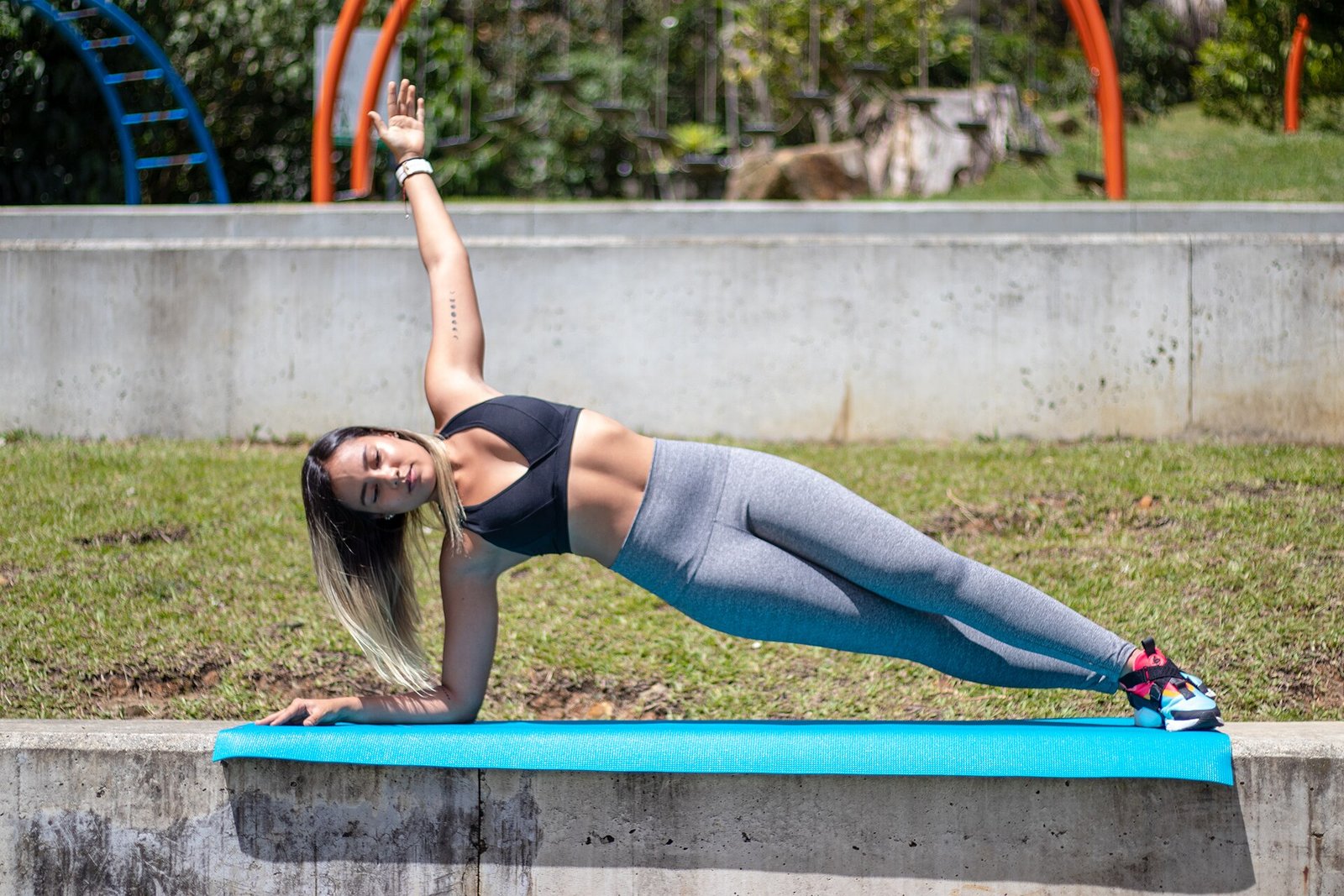
Photo: Tyler Read / Wikimedia Commons
A sled does not make a push or pull safe by itself, does not fix a strip that is wet, uneven, or crowded, and does not protect backs, knees, or Achilles tendons that are already injured. The sled adds load; it does not judge whether the load is wise.
Check the sled and the area before every session: pins tight, plates centred and secured, straps and harness intact, handles locked, and a strip clear of obstacles, holes, and other people. A plate that slides off mid-push, or a strap that snaps mid-drag, ends the session abruptly.
Start light: learn each movement unloaded or lightly loaded, then add plates in small steps over sessions, never at maximum effort on the first rep. Keep the strip clear of the sled’s path and of anything you could trip over on the way out. Never train through sharp pain, and never use a cracked frame or frayed strap hoping it holds one more session. If you have an injury, or a condition that affects how safely you can train, talk to a clinician or qualified coach before starting sled training. This guide is general information only, not medical advice.
Frequently Asked Questions
Photo: Tokumeigakarinoaoshima / Wikimedia Commons
How heavy should a beginner’s sled load be?
Start with the empty sled, then add a single light plate: enough to feel resistance, light enough to keep full speed and clean form. Beginners should start with drags under 100 pounds total, and add weight only when form holds at full effort.
Push sled or drag sled — which is better?
Neither is better in general — a push sled (prowler) trains strength and conditioning through the handles, while a drag sled trains sprint resistance through a leash. Buy a push-pull sled if you want both, a drag sled if you sprint.
Can I use a sled on my driveway?
Yes, if the surface allows it: a curved-base sled (Kipika) handles cracks best, while flat steel runners grind and catch. Keep the strip clear, start light, and accept that concrete wears sleds faster than turf does.
Do I need a harness, or is a leash enough?
A leash is enough for straight sprints, but a harness suits longer drags and heavier pulls: it spreads the load across your shoulders instead of your hands. A padded harness (VEVOR, GanFindX) is worth it once loads pass comfortable hand-holding.
What plates fit a sled?
Most sleds here take both 1-inch and 2-inch plates (TYRSEN, VEVOR, Dolibest, GanFindX, Kipika), while the Titan drag sled fits 2-inch Olympic plates only. Check your plate collection before ordering — a sled that cannot take your plates is decoration.
When should I replace a sled?
When the frame cracks or bends, welds split, handles no longer lock, straps fray through, or the base wears so thin it digs instead of gliding. Worn sleds tip and veer without warning — replace them before they do.
Our Pick in One Line
Photo: Staff Sgt. Clinton Firstbrook / Wikimedia Commons
If you want one answer: the TYRSEN heavy-duty sled is the best all-round buy because its 550-pound capacity, adjustable handle, and included straps cover almost any home-gym athlete — but if you sprint on lawns and driveways, buy the Kipika sled first, because its curved base clears ground that stops flat sleds cold.
For the rest of your home-gym setup, see our agility cones guide and our agility ladders guide, and for the parachute those sled sessions complement, see our speed parachutes guide.
As an Amazon Associate, we earn from qualifying purchases made through links on this page, at no extra cost to you.
This guide is research-based: we compared verified buyer reviews and manufacturer specifications, and we did not buy or hands-on test these products. Prices and availability change, so check the listing before ordering. The training information here is general information only, not medical advice — if you have an injury or a condition that affects how safely you can train, talk to a clinician first.