

Every press starts on a bench. Flat press, incline press, shoulder press, rows, split squats, hip thrusts — one platform, dozens of exercises, and the bench underneath decides whether each one feels solid or shaky. 🏋️
A good bench disappears under you: level, firm, and still, so you think about the lift and not the equipment. A bad bench does the opposite — it wobbles, its pad gaps under your back, or its adjustment slips mid-set.
But let us be plain from the start: a bench gives you a stable platform for pressing, but it does not make heavy pressing safe by itself, it does not replace safeties or a spotter, and it does not fix a bench loaded past its rating or set up on an uneven floor.
Used the right way — the right bench for your body and your room, pins checked before every session, feet flat and the bench level — a bench is the single most-used piece of equipment most home gyms ever buy.
How We Picked These Benches
Photo: Wikimedia Commons
This guide is research-based. We did not buy or hands-on test these benches, and we do not claim otherwise.
We compared verified buyer reviews and manufacturer specifications, and we checked each product’s Amazon listing status through search results and listing trackers.
We picked 6 benches that are genuinely sold and cover different needs: a folding adjustable bench, a budget adjustable bench, a tall-lifter FID bench, a folding flat bench, a budget flat bench, and an all-in-one FID bench.
Prices are not quoted in this guide because they change often. The check-price links take you to the current listing, where you can see the latest price and availability.
Availability and size options vary, so if your option shows as unavailable, check the listing’s other options before switching products.
One note before we start: capacity numbers are the least trustworthy figures in this guide. Makers state them differently — total load, user weight, static test — and the same bench can carry two different numbers across sources. Read the capacity section before you trust any single figure.
Quick Comparison
Photo: Wikimedia Commons
| Bench | Type | Capacity | Best for |
|---|---|---|---|
| FLYBIRD 750 lb Adjustable (FBHR24) | Adjustable FID, folding | 750 lb | Best overall adjustable |
| YOLEO Adjustable, ASTM-certified | Adjustable FID, folding | 827 lb | Best budget adjustable |
| FLYBIRD WB5 Adjustable | Adjustable FID, folding | 800 lb | Best for tall lifters |
| Finer Form Foldable Flat Bench | Flat, folding | 1,000 lb | Best flat bench |
| CAP Barbell Flat Bench, Color Series | Flat | 500 lb | Best budget flat bench |
| Finer Form Multi-Functional FID Bench | FID, folding | 1,000 lb* | Best all-in-one FID |
*The Finer Form FID’s capacity is stated as 1,000 lb on most sources, but one comparison lists 660 lb — see its section, and treat the lower figure as the safe one until the listing confirms otherwise.
1. FLYBIRD Adjustable Weight Bench, 750 lb (FBHR24) — Best Overall Adjustable
Photo: Wikimedia Commons
Who it suits: lifters up to 6 feet 5 inches who want one folding adjustable bench for flat, incline, decline, and upright work.
FLYBIRD’s 750 lb adjustable bench (model FBHR24) is a folding FID bench with a 35-inch extended backrest and headrest, built from alloy steel at about 27 pounds. It adjusts through 96 combinations of back, seat, and leg positions, from flat to incline to decline, and folds for storage.
The extended backrest is the real detail here: most folding benches leave taller lifters’ heads and shoulders unsupported on incline work, and this one is sized for lifters up to 6 feet 5 inches. Two knobs adjust the back and seat, and the 18-inch base leg is longer than most folding benches’, which is what keeps it planted.
Pros: 750-pound maker rating; extended 35-inch backrest for tall lifters; 96 adjustment combinations; folding storage; light at 27 pounds for moving; long-running budget brand.
Cons: one recent listing crawl showed no featured offers available, so check availability before ordering; FLYBIRD sells several similar benches under close names — confirm the listing matches the 750 lb FBHR24 model; a 27-pound bench is light to move and light to tip if it is not level, so check the floor first.
👉 Check price on Amazon (check availability — one recent crawl showed no featured offers).
2. YOLEO Adjustable Weight Bench, ASTM-Certified 827 lb — Best Budget Adjustable
Photo: Wikimedia Commons
Who it suits: lifters who want the cheapest bench that still carries a real certification, and who need it to fold away after every session.
YOLEO’s adjustable bench is a folding FID bench with an ASTM-certified 827-pound capacity, a dual-triangle steel frame, and 84 adjustment positions — 7 backrest angles, 4 seat positions, and 3 leg pad settings — covering flat, incline, decline, and upright work. It ships 98% pre-assembled: two pins in, and it is ready.
The certification is what separates it from cheaper lookalikes: 827 pounds is an independently tested figure, not just a maker’s claim. The honest footnote is the separate user-weight limit of 330 pounds — the 827-pound figure is total load, lifter plus weights, and heavier lifters should read both numbers before ordering.
Pros: ASTM-certified 827-pound capacity; 84 adjustment positions; 98% pre-assembled; folds to about 31.5 by 12.6 by 13 inches; about 23 pounds, so it stores under a bed or in a closet.
Cons: the 330-pound user-weight limit sits separately from the 827-pound total — heavier lifters must check both; the back pad is 28 inches, shorter than the FLYBIRD picks, so taller lifters may want the extended-backrest models; the light frame needs a level floor to feel solid.
3. FLYBIRD WB5 Adjustable Weight Bench, 800 lb — Best for Tall Lifters
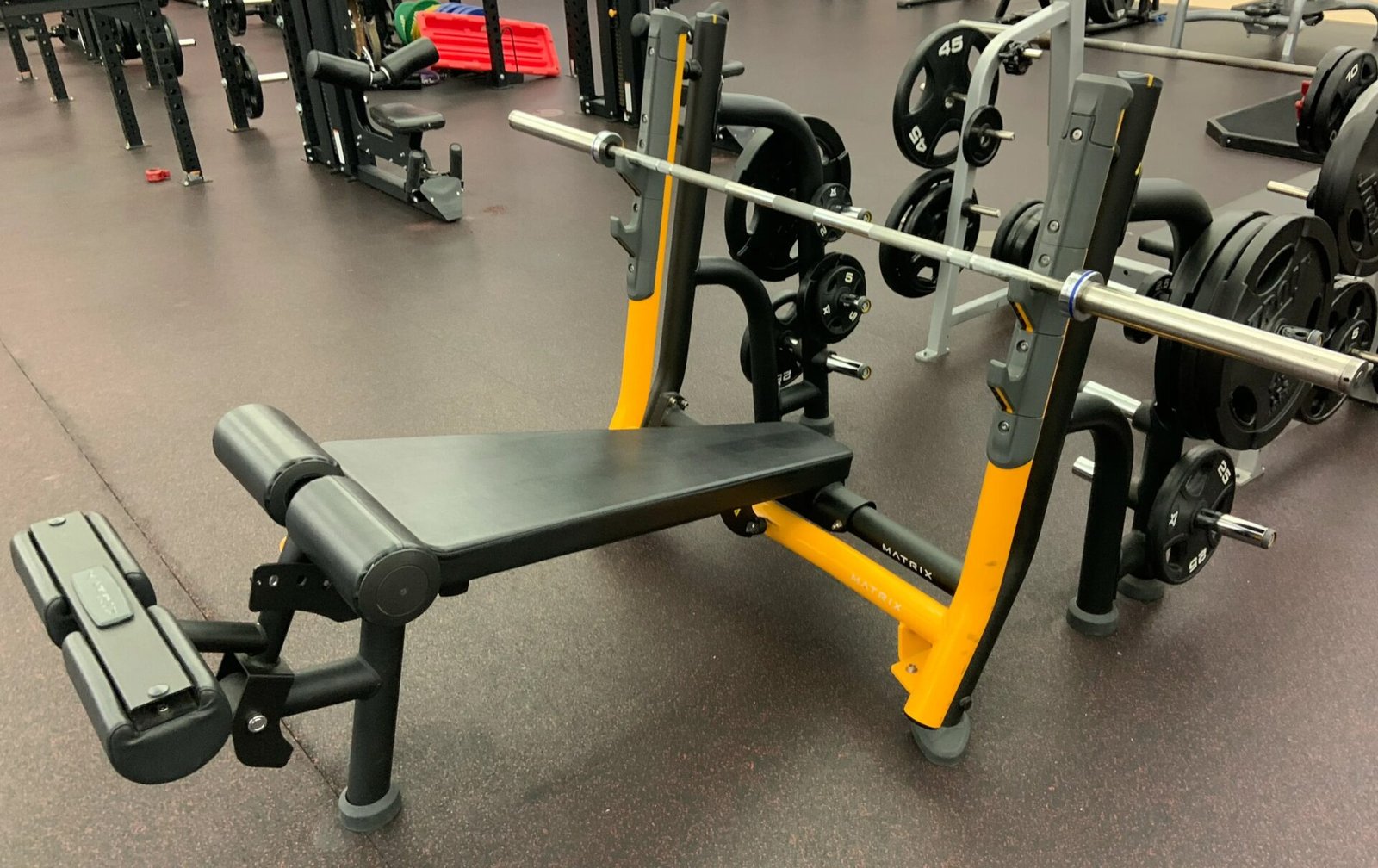
Photo: Wikimedia Commons
Who it suits: taller lifters and lifters who want the widest adjustment range in a folding bench, including a real decline.
FLYBIRD’s WB5 is an ASTM-certified folding FID bench rated at 800 pounds, with a 30-inch extended backrest, a back pad adjustable from 90 degrees down to minus 30 degrees, and a seat adjustable in three positions — 144 adjustment combinations in total. It folds for storage, weighs about 28.5 pounds, and carries a detachable leg support for decline work.
The decline range matters more than it sounds: most folding benches decline a little or not at all, and the WB5’s minus 30 degrees gives a genuine decline press and decline core work, not a token tilt. The 30-inch backrest gives head-to-hip support for taller lifters without the bench growing to full commercial size.
Pros: ASTM-certified 800-pound capacity; 144 adjustment combinations from 90 degrees to minus 30 degrees; 30-inch extended backrest; detachable leg support for decline work; folds for storage.
Cons: one recent listing crawl showed no featured offers available, so check availability before ordering; the WB5 shares its listing family with the older FLYBIRD adjustable bench, so confirm the listing matches the WB5 model; one buyer note reports a small gap between seat and backrest at some angles — a folded towel fixes it, but it is worth knowing.
👉 Check price on Amazon (check availability — one recent crawl showed no featured offers).
4. Finer Form Foldable Flat Bench, 1,000 lb — Best Flat Bench
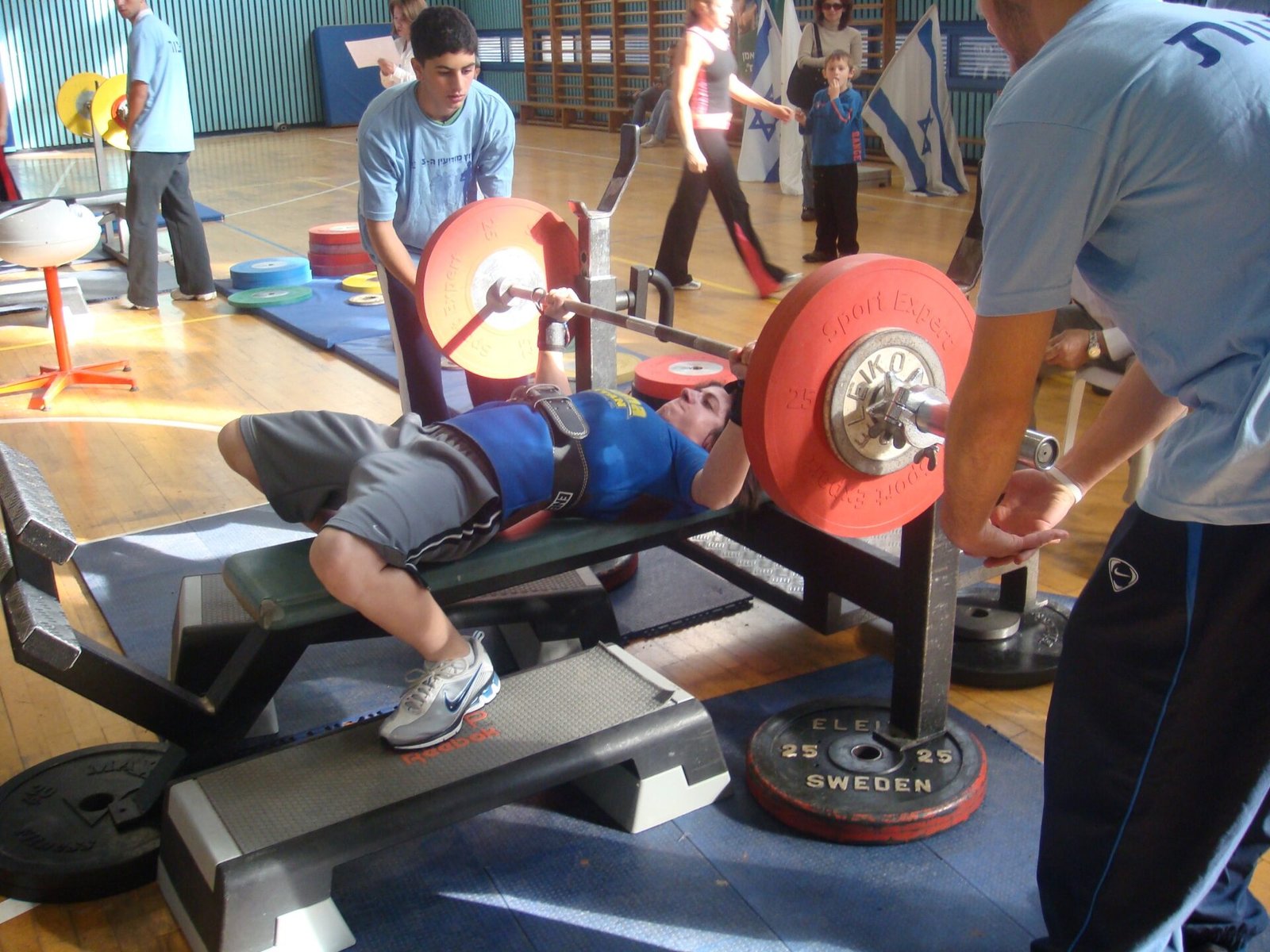
Photo: Wikimedia Commons
Who it suits: lifters who press flat and want the sturdiest simple bench here, with no adjustments to slip and nothing to fold wrong.
Finer Form’s foldable flat bench is a flat-only bench with a 1,000-pound maker rating, a 4-way steel frame, and a thick cushion pad, weighing about 27.7 pounds. It folds for storage under a bed or in a closet, and it needs almost no assembly.
Flat-only is a feature, not a limitation, for press-focused lifters: no adjustment pins, no seat gap, no backrest angle to slip — just a level platform. The 4-way frame is what keeps it from wobbling under a loaded bar, where cheaper flat benches twist.
Pros: 1,000-pound maker rating, the joint-highest here; 4-way steel frame for stability; thick cushion pad; folds for storage; minimal assembly; long-running flat-bench pick with a large buyer base.
Cons: flat only — no incline, decline, or upright positions, so shoulder and incline work needs a second bench or none at all; the 1,000-pound figure is a maker rating, not an independently certified test; the pad is 12 inches wide, narrower than some competition benches, so broad-shouldered lifters should check the width first.
5. CAP Barbell Flat Weight Bench, Color Series, 500 lb — Best Budget Flat Bench
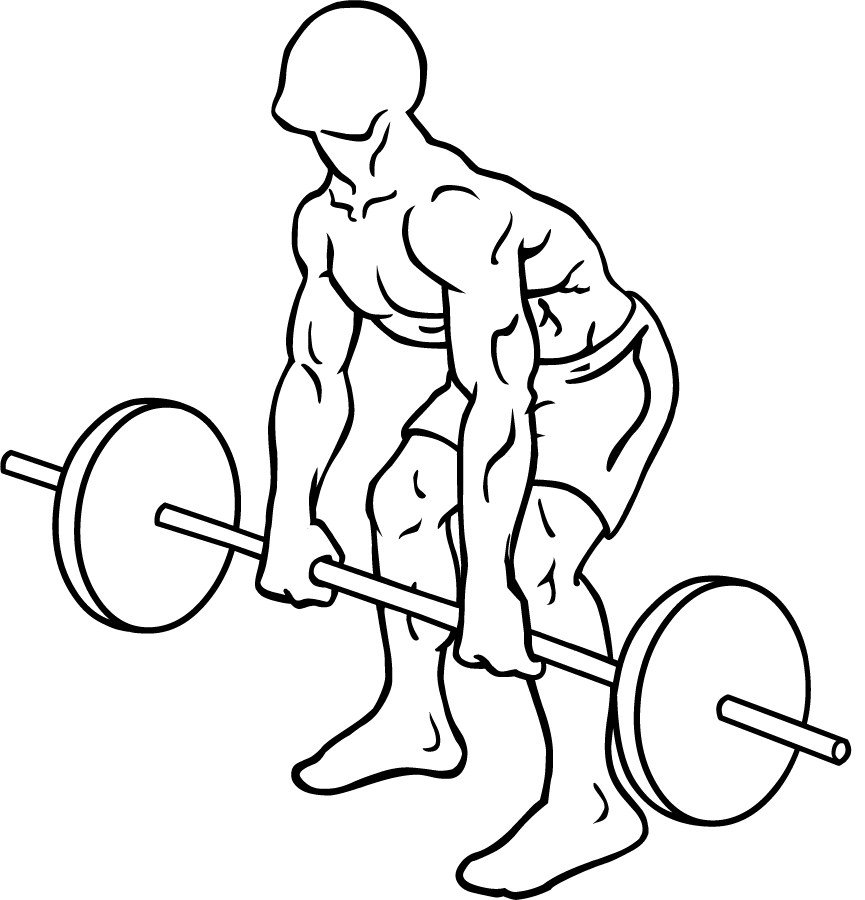
Photo: Wikimedia Commons
Who it suits: lifters who want the cheapest honest flat bench for dumbbell work, bodyweight work, and core training.
CAP Barbell’s Color Series flat bench is a simple flat bench with a 500-pound maximum weight capacity, an alloy-steel frame, and box-stitched padding, measuring about 42.5 by 18 by 19 inches and weighing about 18.75 pounds. It comes in several colours, and it does one thing: hold still under you.
Five hundred pounds covers most home training — a lifter plus dumbbells, or a moderate barbell press — and the bench’s value is its simplicity: nothing to adjust, nothing to fold, nothing to wear out except the pad. CAP is the long-running budget barbell brand, and this is its most basic bench.
Pros: cheapest approach here; simple flat design with nothing to adjust or slip; alloy-steel frame; box-stitched padding; light at under 19 pounds.
Cons: one recent listing crawl showed no featured offers available, so check availability before ordering; 500 pounds is the lowest capacity here — heavy pressers should buy up; flat only, with no incline or decline; CAP sells several flat benches under close names, so confirm the listing matches the Color Series bench.
👉 Check price on Amazon (check availability — one recent crawl showed no featured offers).
6. Finer Form Multi-Functional FID Bench, 1,000 lb — Best All-in-One FID
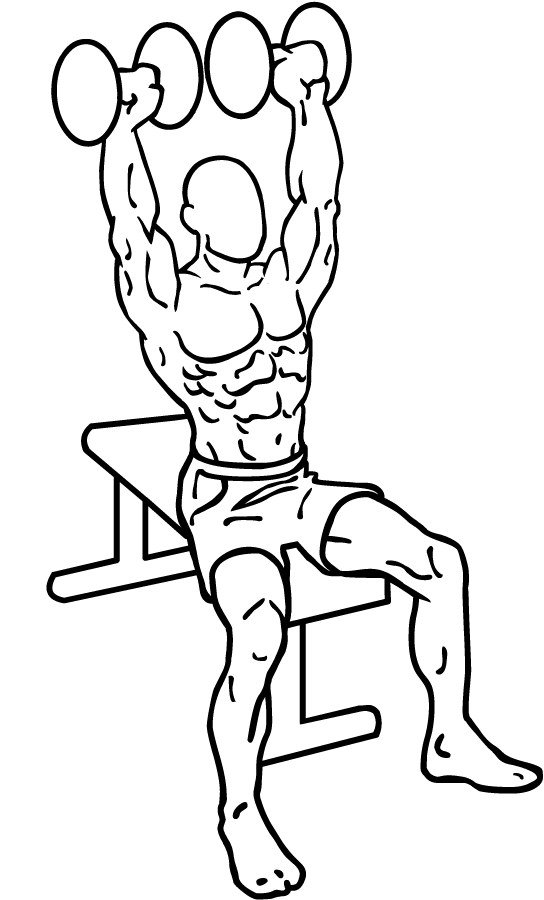
Photo: Wikimedia Commons
Who it suits: lifters who want one bench to replace several — flat, incline, decline, ab work, back extension, and preacher curls — and who have the floor space for it.
Finer Form’s multi-functional FID bench is a folding bench with an 8-position backrest (flat, decline, and six incline angles), a 4-position seat, and attachments for back extension, Roman chair work, ab sit-ups, and preacher curls. It measures about 56 by 25 by 18 inches, weighs about 50 pounds, and carries transport wheels.
The attachment set is the honest trade: one bench that does six jobs saves buying six pieces, but it is also the heaviest bench here at 50 pounds, and it needs more floor space than any folding bench in this guide. Buy it for the range, not for the footprint.
Pros: widest exercise range here — flat, incline, decline, ab, back extension, and preacher curl work in one bench; 8 backrest and 4 seat positions; folding with transport wheels; 48-inch backrest.
Cons: one recent listing crawl showed no featured offers available, so check availability before ordering; CAPACITY CONFLICT — most sources state 1,000 pounds, but one comparison lists 660 pounds for this bench, so treat 660 pounds as the safe figure until the listing confirms otherwise; at 50 pounds and 56 inches long, it is the bulkiest bench here, so check your floor space first.
👉 Check price on Amazon (check availability — one recent crawl showed no featured offers — and confirm the capacity on the listing, since sources conflict).
How to Choose the Right Weight Bench
Photo: Wikimedia Commons
Start with your lifts, then your body, then your room. A bench that does not fit your presses, your height, or your floor is the wrong bench whatever its capacity number says.
Then buy in this order: an adjustable FID bench first if you train alone with dumbbells, a flat bench first if you press heavy with a barbell, and the all-in-one FID only if you genuinely want its attachment range.
Bench type: flat vs adjustable vs FID — what each actually does
Photo: Wikimedia Commons
Flat benches (Finer Form foldable flat, CAP Color Series) do one position, perfectly: a level platform for flat presses, rows, hip thrusts, and core work. No pins, no gaps, nothing to slip — and no incline or shoulder work.
Adjustable benches (FLYBIRD 750 lb, YOLEO, WB5) move the backrest through flat, incline, decline, and upright positions, and usually the seat too. They cover the most exercises in one piece, and they fold — but every adjustment is a joint that can wear, and every seat gap is a comfort trade.
FID benches (Finer Form multi-functional) are adjustable benches plus attachments: leg supports, back-extension pads, preacher pads. FID stands for flat, incline, decline — the three positions every adjustable bench should offer — and the attachments are what make a FID bench more than an adjustable one.
Capacity and what the rating actually means
Photo: Wikimedia Commons
Capacity figures are makers’ figures, not tested ratings — except where a bench is independently certified, like the YOLEO’s ASTM-certified 827 pounds and the WB5’s ASTM-certified 800 pounds. Treat every other figure as a ceiling, not a target: load well under the stated limit, and never test a rating with a maximal lift.
Read what the number counts. Total load (lifter plus weights) is the honest figure; user weight alone is a different, smaller number, and the YOLEO’s separate 330-pound user limit next to its 827-pound total is the clearest example in this guide.
Two honest flags from this guide: the Finer Form FID’s capacity is stated as 1,000 pounds on most sources but 660 pounds on one comparison — the article treats 660 pounds as the safe figure until the listing confirms otherwise — and the CAP flat bench’s 500 pounds is the lowest here, so heavy pressers should buy up rather than hope.
Pad width and length, and height and stability, for different lifters
Photo: Wikimedia Commons
Pad width decides shoulder support: a 12-inch pad (Finer Form flat) suits most lifters, but broad-shouldered lifters may want a wider pad, and a pad narrower than your shoulders lets your arms drop past the edge on a press.
Pad length decides head and hip support: a 28-inch back pad (YOLEO) suits average-height lifters, while a 30-inch backrest (WB5) or a 35-inch extended backrest with headrest (FLYBIRD 750 lb) suits taller lifters up to 6 feet 5 inches. If your head hangs off the pad on incline work, the bench is too short for you.
Height and stability go together: a bench around 17 to 18 inches high lets most lifters plant their feet flat, which is what keeps the bench still under load. A bench that rocks on your floor is not a bench problem alone — check the floor is level first, and shim or move the bench before blaming the frame.
Footprint and storage
Photo: Wikimedia Commons
Folding benches (FLYBIRD 750 lb, YOLEO, WB5, Finer Form flat) collapse for storage under a bed, in a closet, or against a wall — the YOLEO folds to about 31.5 by 12.6 by 13 inches, roughly a carry-on suitcase. That is the whole point for apartment lifters.
Non-folding and all-in-one benches (Finer Form FID at 56 inches long and 50 pounds) need a permanent spot. Measure your floor before ordering: a bench plus a lifter lying on it plus room to load plates needs more space than the bench’s own footprint.
Weight cuts both ways: a 23-pound bench (YOLEO) is easy to move and store, but light benches tip more easily if the floor is uneven; a 50-pound bench (Finer Form FID) stays put, but it stays where you put it. Pick the trade that fits your room.
Using a bench safely
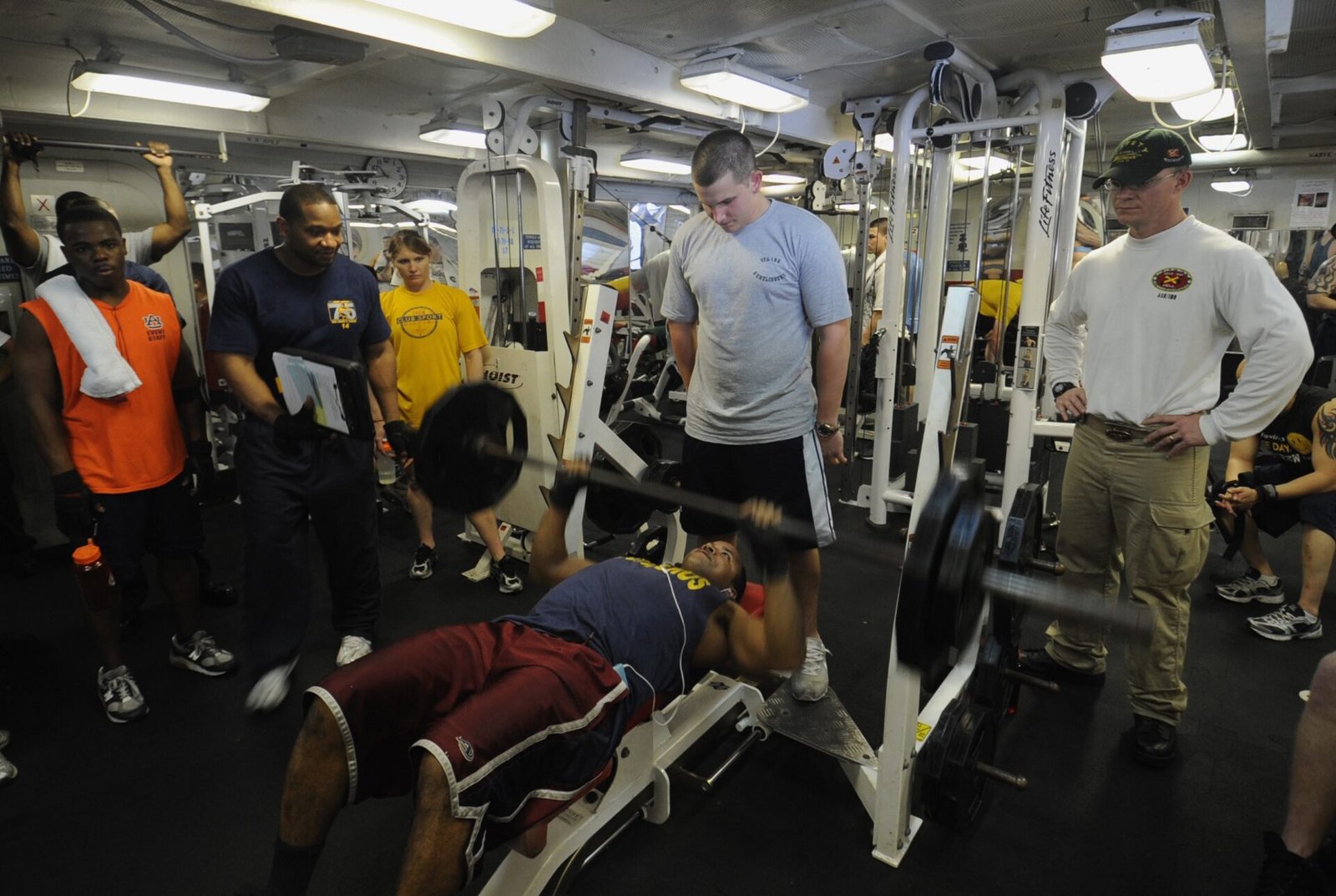
Photo: Wikimedia Commons
Check pins and bolts before every session: backrest pins locked, seat pins seated, leg supports tight. A pin that has worked loose is the commonest bench failure, and it is preventable in five seconds.
Keep feet flat and the bench level. Feet on the bench, feet dangling, or a bench on a slope all shift load onto the frame’s weakest point — and onto your lower back.
Never bench maximal weights alone without safeties or a spotter. A bench does not catch a failed rep — a rack’s safety arms or a training partner does — and no bench in this guide changes that. If you have an injury, or a condition that affects how safely you can press, talk to a clinician or qualified coach before training heavy. This guide is general information only, not medical advice.
Frequently Asked Questions
Photo: Wikimedia Commons
Do I need an adjustable bench, or is a flat bench enough?
Enough for flat presses, rows, hip thrusts, and core work — which is most of a dumbbell programme. You need an adjustable bench for incline presses, decline work, and seated shoulder presses, which a flat bench cannot do at all.
What does FID mean?
Flat, incline, decline — the three backrest positions an FID bench offers, plus usually an upright position for shoulder work. A bench labelled FID should offer all three; if it only inclines, it is an adjustable bench, not a FID bench.
How much capacity do I actually need?
Add your body weight to the heaviest weight you will press, then buy above that total. A 200-pound lifter pressing 100-pound dumbbells needs a bench rated above 400 pounds total — and should read whether the figure counts total load or user weight alone.
Will a folding bench feel wobbly?
Not if it is level, locked, and loaded within its rating — the folding benches here use triangular frames and locking pins for exactly that reason. A folding bench that wobbles is usually on an uneven floor, or its pins are not fully seated.
What bench height should I buy?
One that lets you plant your feet flat on the floor while lying on the pad — around 17 to 18 inches suits most lifters. If your feet dangle or your knees sit far above your hips, the bench is the wrong height for you.
When should I replace a bench?
When a pin no longer locks, a weld cracks, the frame wobbles even when level and tightened, the pad tears through to the board, or an adjustment slips under load. Worn benches fail without warning — replace them before they do.
Our Pick in One Line
Photo: Wikimedia Commons
If you want one answer: the FLYBIRD 750 lb adjustable bench is the best all-round buy because its extended backrest, 96 adjustments, and folding storage cover almost any home-gym lifter — but if you press heavy with a barbell and nothing else, buy the Finer Form foldable flat bench first, because nothing beats a flat bench for flat pressing.
For the rest of your home-gym setup, see our landmine attachments guide and our squat stands guide, and for the plates those bars carry, see our bumper plates guide.
As an Amazon Associate, we earn from qualifying purchases made through links on this page, at no extra cost to you.
This guide is research-based: we compared verified buyer reviews and manufacturer specifications, and we did not buy or hands-on test these products. Prices and availability change, so check the listing before ordering. The training information here is general information only, not medical advice — if you have an injury or a condition that affects how safely you can press, talk to a clinician first.