

There is no single perfect way to train biceps. 💪
What does work is a set of sound principles, applied patiently over time.
These ten commandments cover how the biceps work, how to lift with control, how to vary your training, and how to keep your arms balanced.
They are guidelines, not guarantees. Everyone responds differently, and progress takes months of steady work — not days.
1. Know What Your Biceps Actually Do

Photo: PTPioneer / Wikimedia Commons
Your biceps bend the elbow and help rotate the forearm. They do not work alone.
Neighbouring muscles — the brachialis underneath and the brachioradialis in the forearm — share the job on every curl.
That is why grip and arm position change how a curl feels. A small change in angle shifts the work slightly, even when the weight stays the same.
Learn the movement first, then add load. Good form beats heavy, sloppy reps every time. 🏋️
2. Respect Both Halves of Every Rep
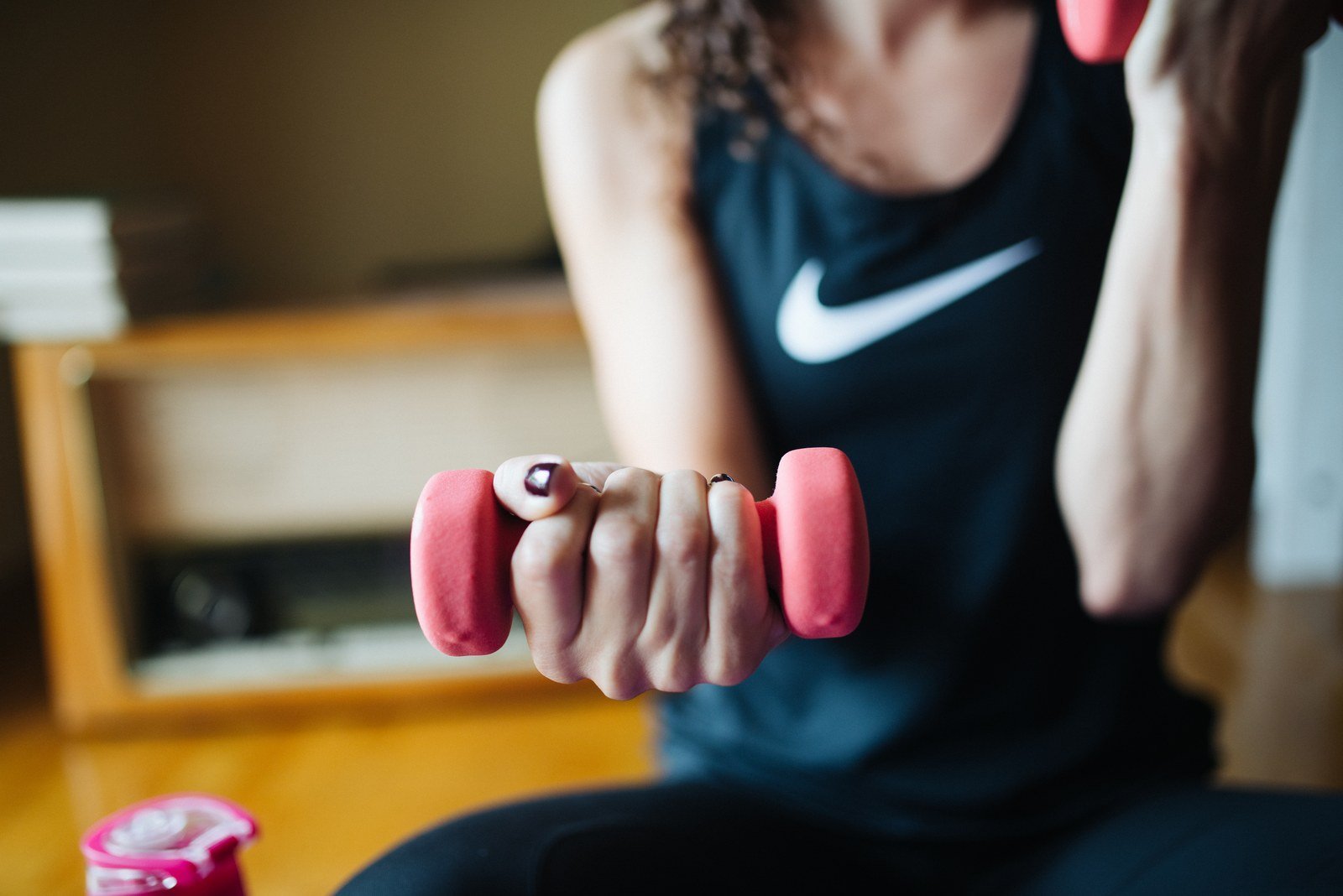
Photo: Shixart1985 / Wikimedia Commons
Every curl has two halves: lifting the weight up, and lowering it back down.
The lowering half is easy to rush — but it is where control matters most.
Lower the weight steadily instead of letting it drop. You will feel the muscle working through the full range, not just at the top.
Think of each rep as a complete movement, not just the lift. Both halves count. ⬆️⬇️
3. Match the Exercise to the Strength Curve
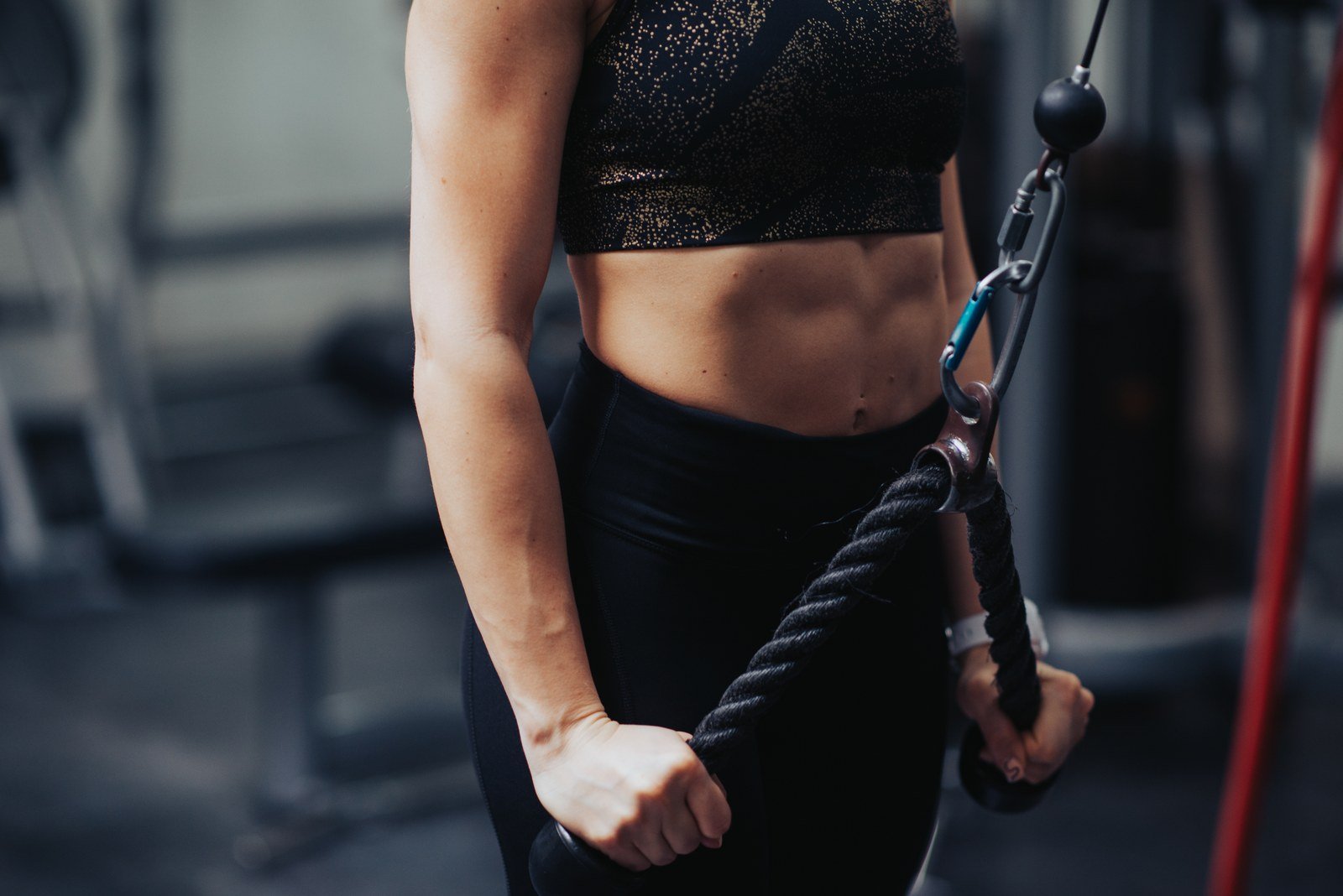
Photo: Shixart1985 / Wikimedia Commons
Muscles are not equally strong at every point of a lift. Some parts of a curl feel easy, others feel hard.
That is called a strength curve, and different tools challenge it differently.
Free weights feel heaviest where gravity pulls hardest. Cables can keep tension steadier through the range.
Mixing tools across your week covers more of the range — no single tool does it all. 🔄
4. Slow Down and Own the Tempo
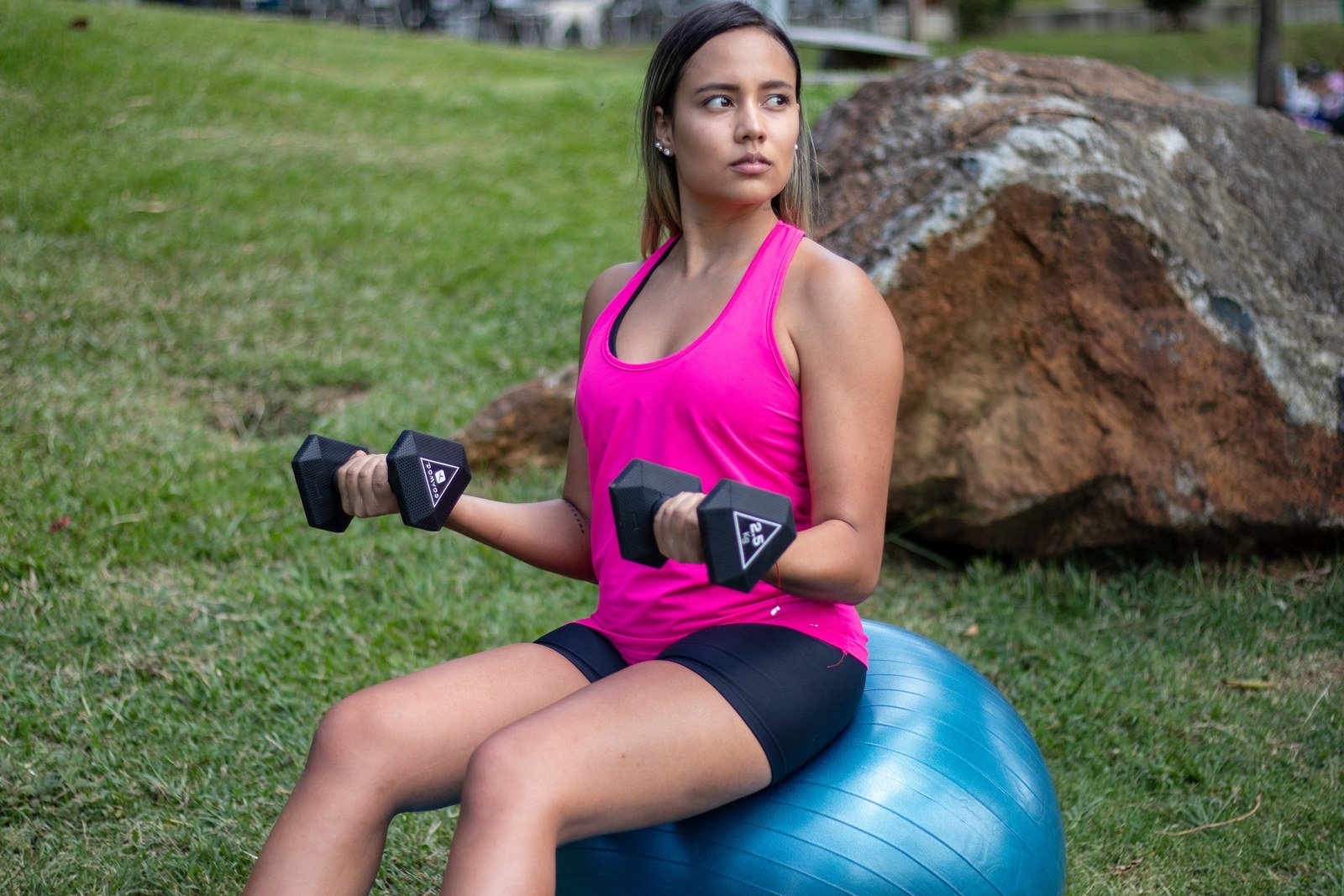
Photo: PTPioneer / Wikimedia Commons
Tempo simply means the speed of your reps. Fast, bouncy reps use momentum instead of muscle.
A controlled pace keeps the tension where you want it and helps you notice when your form slips.
You do not need a stopwatch. Just lift smoothly, pause briefly if it helps, and lower with control.
If you cannot control the weight, it is too heavy for that set. Choose a load you can own. 🐢
5. Feel the Muscle Working
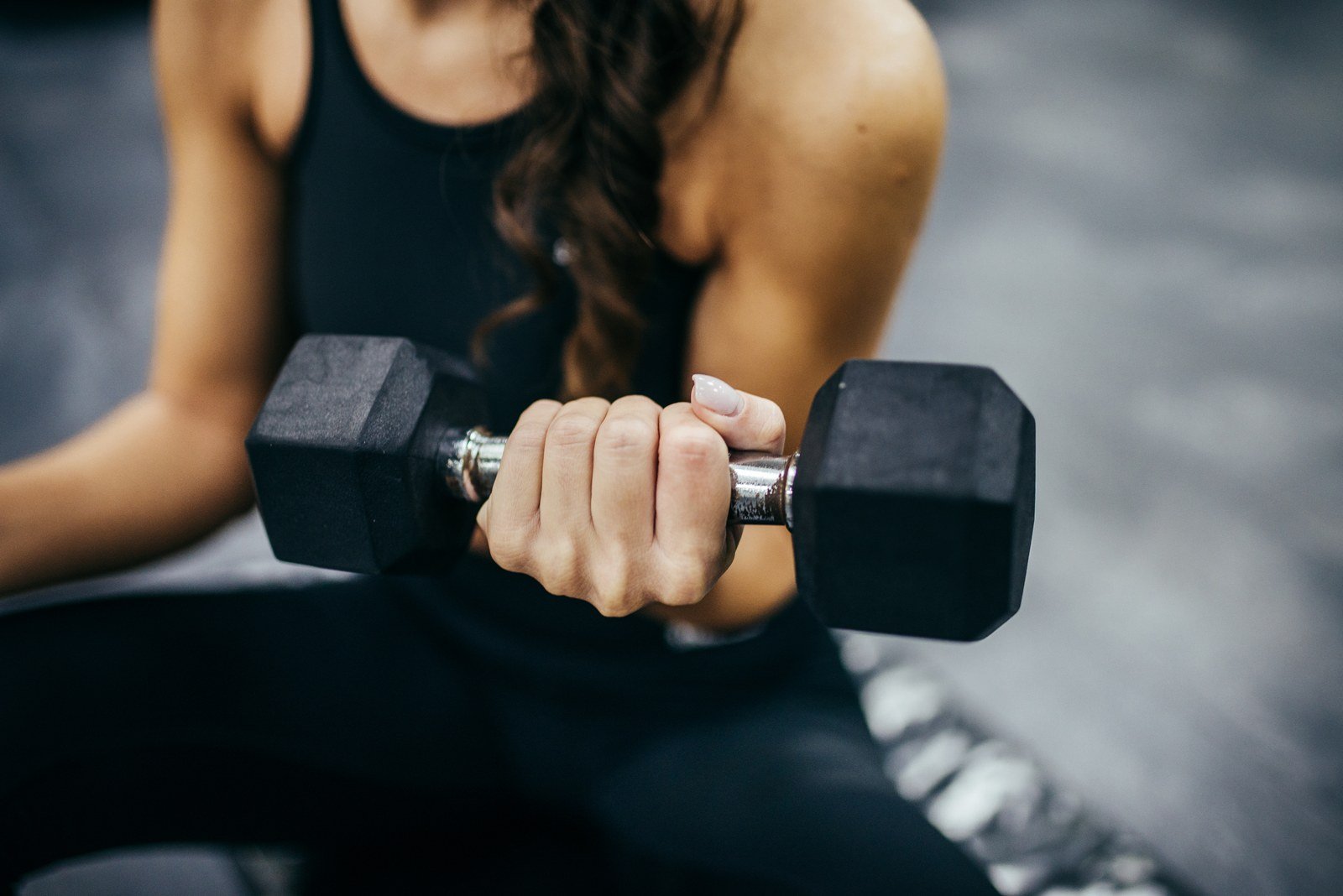
Photo: Nenad Stojkovic / Wikimedia Commons
The mind-muscle connection is just a plain idea: pay attention to the muscle you are training.
Focus on the biceps squeezing as you curl, rather than just moving the weight from A to B.
Small cues help — keep your shoulders still, avoid swinging, and stop the set when your form breaks down.
This is not magic. It is simply better quality on every rep you already do. 🎯
6. Mix Compound and Isolation Work
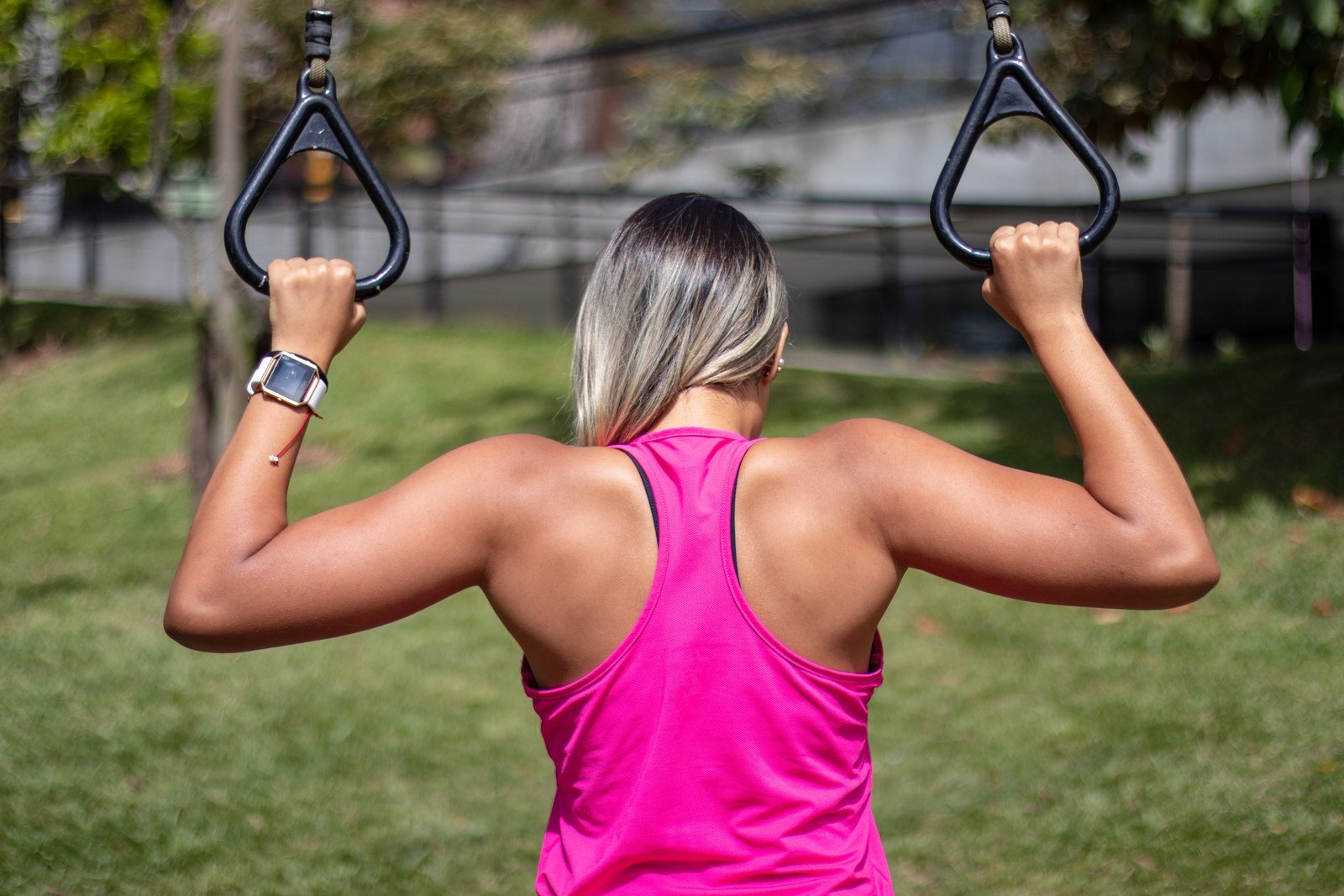
Photo: PTPioneer / Wikimedia Commons
Curls alone are not a complete arm plan. Compound moves like chin-ups, pull-up variations and rows train the biceps together with the back.
Isolation moves like preacher curls and cable curls then let you focus on the biceps directly.
Use both kinds across your week. Compounds build overall strength; isolation adds focused work.
That combination gives balanced development — and keeps training far less boring. 🤝
7. Train Regularly, and Let Volume Do the Talking
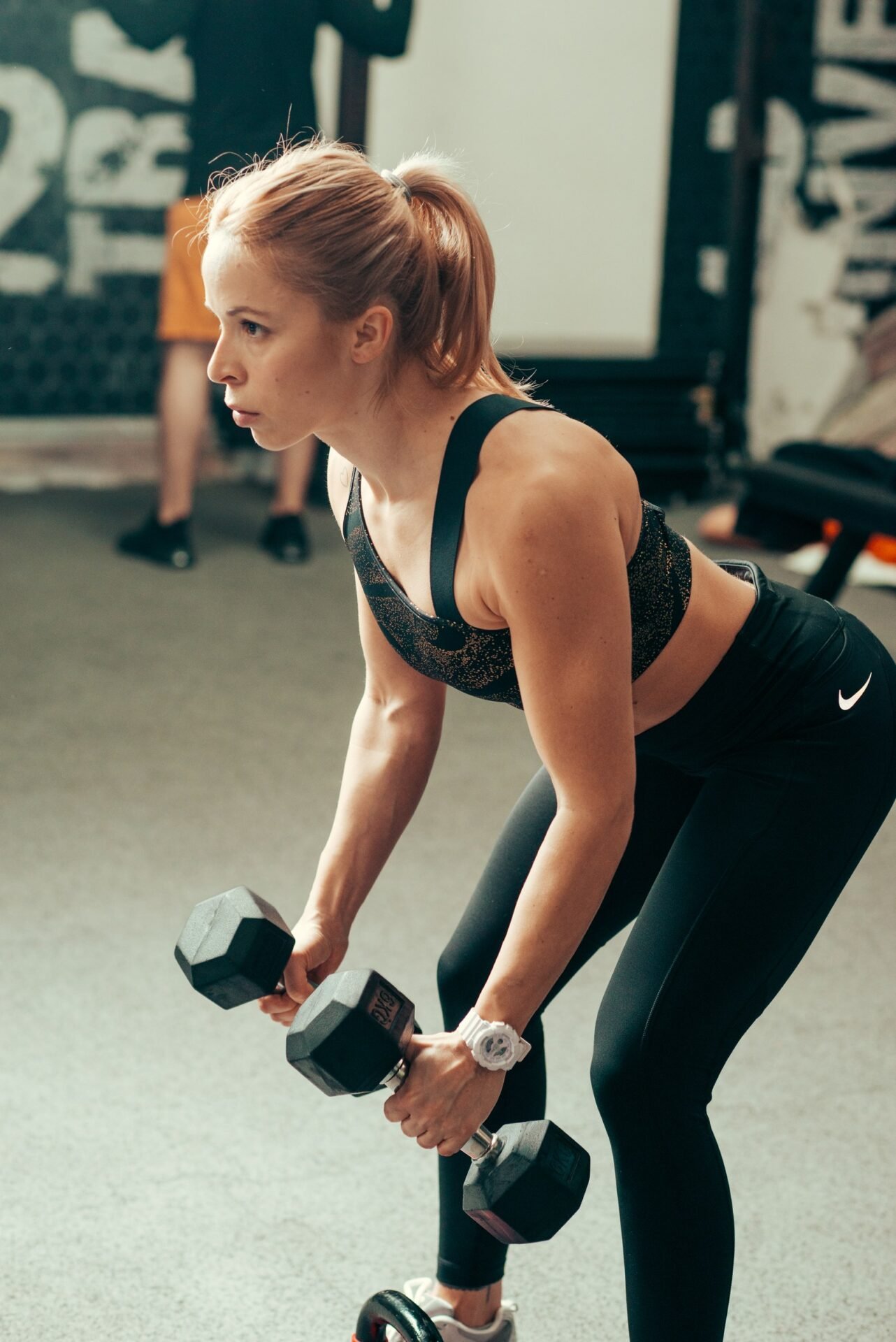
Photo: Shixart1985 / Wikimedia Commons
Research once suggested training a muscle twice a week beats once a week for growth.
Newer reviews add an important qualifier: when total weekly work is equal, splitting it across more sessions matters far less.
So treat twice-weekly biceps work as a useful starting point, not a rule carved in stone.
What matters most is steady, progressive total work over weeks — plus rest between sessions. 📅
8. Do Not Skip Your Forearms

Photo: stu_spivack / Wikimedia Commons
Strong-looking arms need forearms to match. Thin forearms next to big biceps look out of balance.
Carries, holds and thick-grip work all challenge the grip and forearms directly.
You do not need a separate forearm day. A little grip work folded into your normal sessions goes a long way.
Bonus: a stronger grip helps your rows, deadlifts and carries too. ✊
9. Beginners: Build a Base Before Specialising
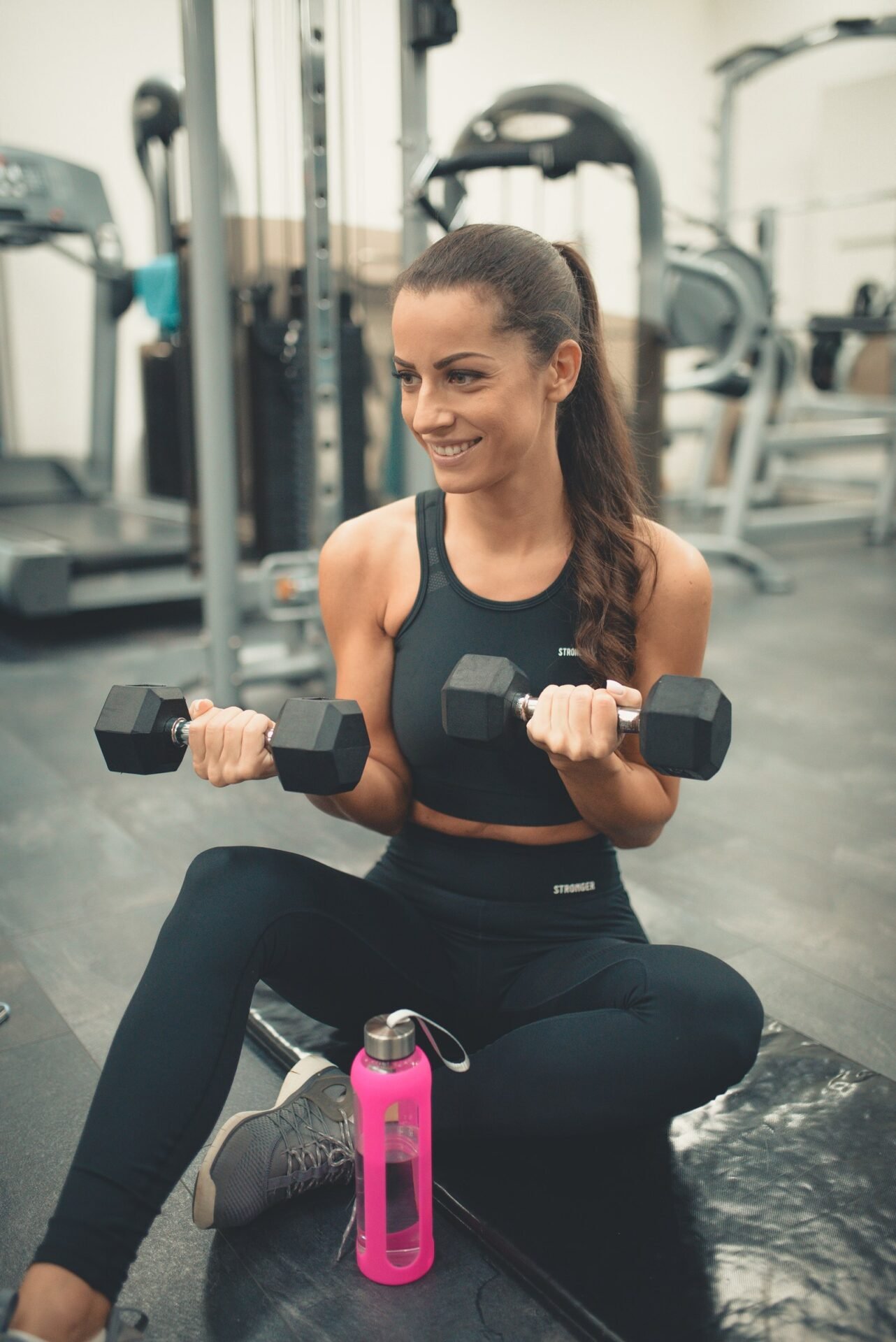
Photo: Shixart1985 / Wikimedia Commons
If you are new to lifting, an arms-only routine is a tempting shortcut — and a weak foundation.
Start with a balanced full-body routine, and let arm work grow inside it gradually.
You will build strength everywhere, learn good form, and avoid the stall that comes from hammering one muscle too soon.
Specialised arm focus can come later, once the base is there. Patience pays here. 🌱
10. Never Forget the Triceps

Photo: PTPioneer / Wikimedia Commons
Here is a simple fact many lifters miss: the triceps are the bigger muscle on the back of the arm.
Ignore them, and your arms will look smaller from most angles — however hard you curl.
Pair your biceps work with triceps work across the week, and your whole arm develops evenly.
For triceps ideas, see the refreshed guide to long-head triceps exercises for bigger arms, and for dumbbell-based sessions, the best dumbbell workout for muscle gains. 💪
Balance Beats Biceps Alone
Big arms come from balanced training: biceps, triceps, forearms and back, all pulling their weight.
Chasing biceps alone invites imbalance, elbow niggles and a lopsided look. Train the whole arm, not just the front of it.
Keep the principles above, progress gradually, and give it time. That is the honest version of the ten commandments. 🙌
Frequently Asked Questions
How often should I train biceps?
Twice a week is a sensible starting point for most lifters, with rest days between sessions.
Total weekly work matters more than the exact split, so adjust to your schedule and recovery.
Are curls enough for bigger arms?
No. Curls train the front of the arm, but triceps, forearms and back work complete the picture.
Combine curls with compound pulling moves and dedicated triceps work for balanced arms.
Do I need supplements to build biceps?
No supplement builds muscle on its own. Consistent training, enough protein from food, sleep and time do the real work.
Talk to a qualified coach or clinician before changing your diet or starting any supplement.
Can I target fat on my arms with curls?
No. You cannot choose where your body loses fat, and curls alone will not slim one area.
Overall activity, nutrition and patience drive body-composition change — not spot exercises.
General fitness information only. If you have an injury, pain or a medical condition, speak to a qualified coach or clinician before starting a new training routine.