

Lee Priest was never supposed to be a bodybuilder. At 5 feet 4 inches, he turned professional at twenty years old — and then spent sixteen years beating men a foot taller than him. 🏆
“The Blond Myth” had the most famous forearms in the sport, an attitude that got him banned from his own federation, and a final career chapter nobody predicted: walking away from the pros to win a Mr. Universe title as an amateur, twenty-three years after he started.
This is his complete, verified story.
⚡ Quick Facts
| Full Name | Lee Andrew Priest |
| Nickname | The Blond Myth |
| Born | July 6, 1972 — Newcastle, New South Wales, Australia |
| Height | 5 ft 4 in (163 cm) |
| Contest Weight | Roughly 200 lb (91 kg) in season; reported up to 240 lb off-season |
| Division | IFBB Pro League Men’s Open Bodybuilding (later PDI, then NABBA amateur) |
| Pro Card | 1992 — IFBB recognised the Australian federation’s card; Australia refused to grant him one because of his age |
| Pro Wins | 3 IFBB professional wins, plus both PDI Night of Champions titles (2006) |
| Best Mr. Olympia | 6th (1997, 2000, 2002) |
| Mr. Olympia Appearances | 6 (1997–2000, 2002, 2003) |
| @leepriestofficial | |
| Status | Retired from competition — no contest since his 2013 NABBA Mr. Universe overall win; active on social media and the podcast circuit |
🌱 Newcastle, Superman and a Competing Mother
Lee Andrew Priest was born on July 6, 1972, in Wallsend, Newcastle, New South Wales. Bodybuilding ran in the family: his mother was a bodybuilding competitor herself, and the two occasionally shared a stage at mother-and-son events.
A Superman fan who grew up reading comic books, the young Lee took up bodybuilding at twelve and entered his first contest at thirteen — where, by his own widely repeated account, he beat men twice his age.
By his late teens he had collected four Mr. Australia titles (1989, 1990, 1991, 1994) and two IFBB World Championship appearances. 💪 The cards said amateur. The physique said professional.
🎟️ Pro at Twenty: The Card Australia Wouldn’t Give Him
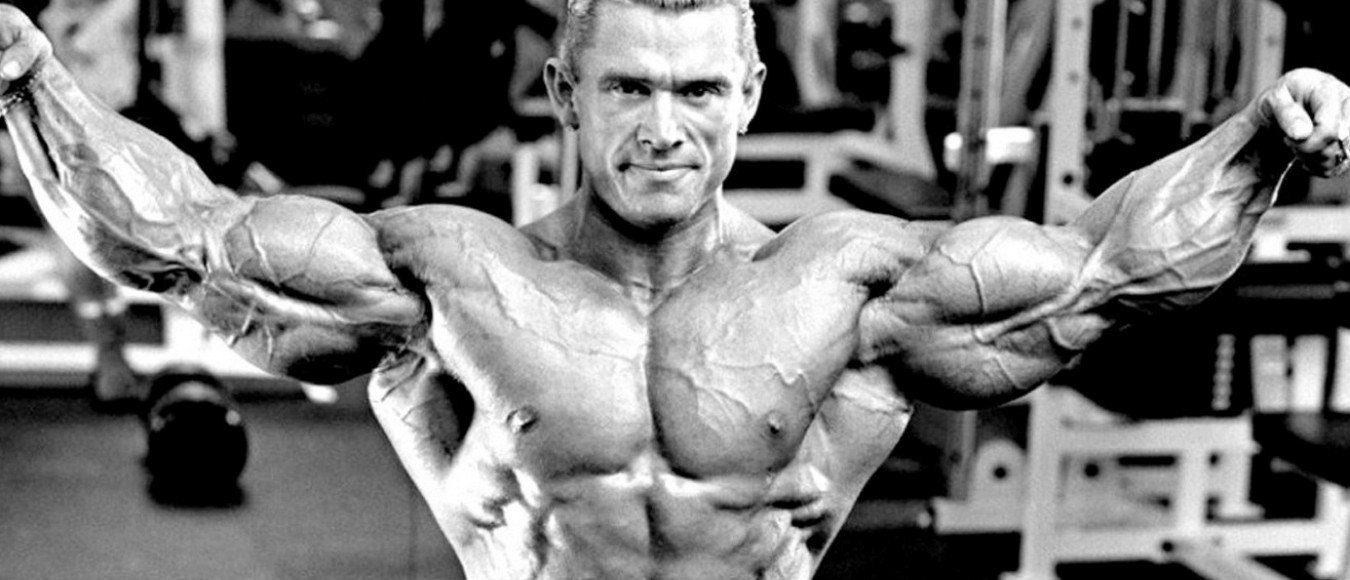
The route to the pros was a fight in itself. The Australian federation refused to award the nineteen-year-old a pro card because of his age — so the IFBB recognised the card issued through his federation placement at the World Championships instead.
In 1992, at twenty, Priest was an IFBB professional. A year later he made his Olympia-qualifying debut at the 1993 Niagara Falls Pro, placing 9th.
Then came the partnership that defined his physique: a move to California and the guidance of Tom Platz, the “Quadfather” himself — whose own story is told in our feature on Tom Platz, the Quadfather. Under Platz’s brutal leg program, Priest’s lower body became a legend of its own.
🔥 The Giant-Killer Years (1997–2002)
Priest’s first Olympia, in 1997, remains his most famous night. Competing at 5 ft 4 in and barely 200 lb, he was announced in 5th place on the night at the Olympia — hours later, organisers amended the result to 6th, explaining that a tabulation error had wrongly read a 5 in place of a 6 on one judge’s scorecard.
The corrected record stands: 6th at the 1997 Mr. Olympia. But the sight of the smallest man in the line-up beating most of the field became part of bodybuilding folklore. 🏅
Through 2002, Priest piled up top-six finishes at the sport’s biggest shows: three Arnold Classic top fives (1997, 2002 and a 4th in 1994), Olympic-era placings of 6th in 2000 and 2002, and years of Ironman Pro near-misses.
His first IFBB pro win finally arrived in March 2002, at the San Francisco Pro — the breakthrough that proved the Olympia placings were no fluke.
🏆 The Long-Awaited Wins: 2005–2006
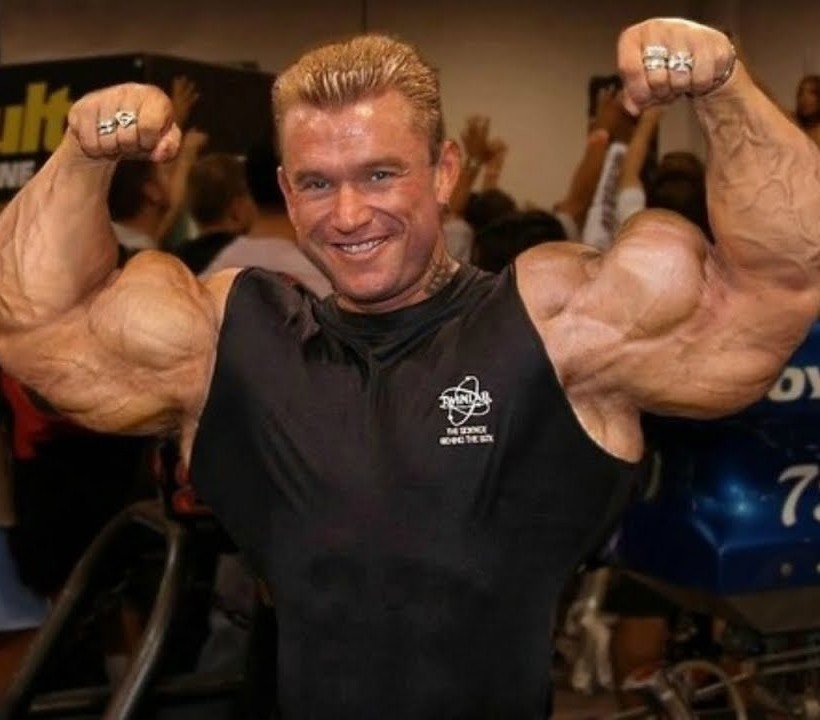
The wins kept coming late, and they came in bunches. In 2005 Priest won the Grand Prix Australia — a home-soil victory in front of Australian fans who had followed him since he was a teenager.
In February 2006 came the win he had chased for a decade: the Ironman Pro. Priest had been runner-up or close at the Ironman repeatedly across the 1990s and 2000s; the 2006 title was the reward for sixteen years of trying.
For readers who want the unfiltered version of this era, Priest himself narrates these years in our interview feature, Lee Priest: Bodybuilding History & Controversy. 🎙️
🚫 The Break with the IFBB (2006–2008)
Later in 2006, Priest accepted Wayne DeMilia’s invitation to compete in the rival PDI federation’s Night of Champions. The IFBB suspended him — a suspension reported at the time as lasting two years.
Priest won both PDI Night of Champions shows, in 2006 in New York and again in London. But the cost was his IFBB career: he never renewed his membership, and never competed in the IFBB again.
In June 2008 the IFBB Pro League voted 11 of 16 in favour of reinstating him. Priest, by then committed elsewhere, declined to return — a decision he has discussed openly ever since. He later described the punishment, in his own words, as a “lifetime ban.”
The break cost bodybuilding one of its most popular athletes in his prime years — and cost Priest the Olympia stage he had fought so hard to reach.
🏁 The Final Chapter: A Universe Title at 41 (2013)
Years of injuries and inactivity followed. Then, in 2013, Priest did something almost unheard of: he returned to the amateur ranks with NABBA and won the Mr. Universe overall title — at 41 years old, more than two decades after his first Mr. Australia win.
It was the last contest of his career: a bookend Universe title to close a story that began with a thirteen-year-old beating grown men in Newcastle.
🩹 The Hard Years: Injuries, Surgery and Honesty
Priest’s post-career life has been shaped by injury. In a mid-2010s car accident he crushed a nerve in his neck, which caused muscle wasting and chronic pain — a struggle he has documented publicly, including insurance battles, fan-supported fundraising and a neck operation in 2020 that brought some relief.
He has been unusually candid about his experiences with painkillers prescribed after his injuries: developing dependence, going through withdrawal, and quitting cold turkey. His openness about the subject has become a part of his public voice.
Those years explain his long absence from the stage — and his current standing as one of the sport’s most outspoken retired voices. 💬
📍 Lee Priest in 2026
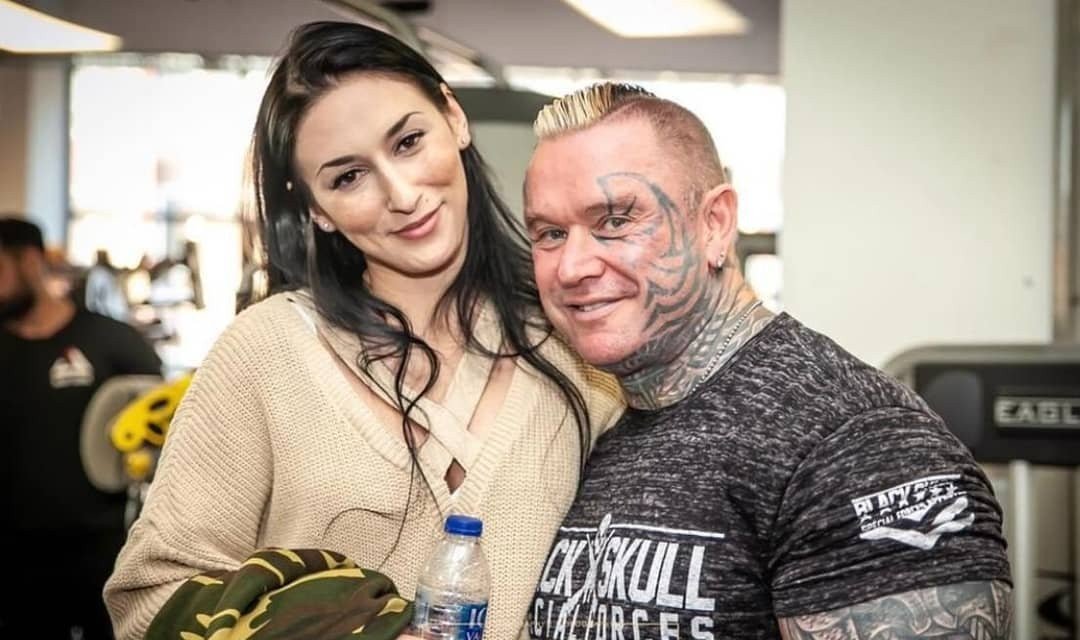
Priest remains based in Australia, a fixture on bodybuilding podcasts — including MuscleTV (Australia) and the Shaw Strength Podcast — and an unfiltered social media presence under @leepriestofficial.
In 2026 he is aligned with a new supplement range and continues to speak, coach and appear at expos. His competing days are behind him; his voice in the sport is not.
2026 verdict: the Blond Myth is a retired champion whose honesty about injuries, painkillers and federation politics made him as influential after his career as he was on the stage. 🎯
📊 Contest Record
| Year | Contest | Placing |
|---|---|---|
| 1989 | Mr. Australia (IFBB) | 1st 🏆 |
| 1990 | Mr. Australia (IFBB) | 1st 🏆 |
| 1991 | Mr. Australia (IFBB) | 1st 🏆 |
| 1994 | Mr. Australia (IFBB) | 1st 🏆 |
| 1994 | Arnold Classic | 4th |
| 1994 | Ironman Pro | 2nd |
| 1994 | San Jose Pro | 3rd |
| 1994 | Grand Prix France | 3rd |
| 1994 | Grand Prix Italy | 3rd |
| 1994 | Grand Prix England | 3rd |
| 1994 | Grand Prix Spain | 3rd |
| 1994 | Grand Prix Germany | 3rd |
| 1994 | Ironman Pro | 2nd |
| 1996 | San Jose Pro Invitational | 4th |
| 1996 | Ironman Pro | 2nd |
| 1996 | Grand Prix Czech Republic | 8th |
| 1996 | Grand Prix Slovakia | 10th |
| 1996 | Grand Prix England | 7th |
| 1996 | Grand Prix Russia | 10th |
| 1997 | Arnold Classic | 6th |
| 1997 | Ironman Pro | 2nd |
| 1997 | Grand Prix Hungary | 3rd |
| 1997 | Grand Prix Spain | 3rd |
| 1997 | Grand Prix Finland | 9th |
| 1997 | Grand Prix Germany | 3rd |
| 1997 | Grand Prix England | 3rd |
| 1997 | Grand Prix Czech Republic | 5th |
| 1997 | Grand Prix Russia | 5th |
| 1997 | Mr. Olympia | 6th |
| 2000 | Night of Champions | 5th |
| 2000 | Mr. Olympia | 6th |
| 2002 | Arnold Classic | 6th |
| 2002 | San Francisco Pro | 1st 🏆 |
| 2002 | Mr. Olympia | 6th |
| 2004 | Grand Prix Australia | 4th |
| 2004 | Ironman Pro | 5th |
| 2005 | Grand Prix Australia | 1st 🏆 |
| 2006 | Ironman Pro | 1st 🏆 |
| 2006 | PDI Night of Champions (New York) | 1st 🏆 |
| 2006 | PDI Night of Champions (London) | 1st 🏆 |
| 2008 | Grand Prix Australia | Listed (appearance only; did not place) |
| 2013 | NABBA Mr. Universe (overall) | 1st 🏆 |
🏎️ Beyond the Stage
Beyond bodybuilding, Priest is an avid racing enthusiast: he began road and circuit racing in 2002, later switched to drag racing, was named Rookie of the Year in 2005, and won the SCEDA Racing Championship in Lancaster, California, in 2006.
❓ Frequently Asked Questions
Why is Lee Priest called “The Blond Myth”?
Because of his platinum-blond hair and the almost mythical proportions — especially his forearms and arms — on a 5 ft 4 in frame. The nickname stuck from his earliest pro years in the 1990s.
How many Mr. Olympia appearances did Lee Priest make?
Six: 1997, 1998, 1999, 2000, 2002 and 2003. His best placing was 6th, achieved three times (1997, 2000 and 2002). The 1997 result was famously amended from 5th to 6th hours after the show.
Did Lee Priest win any IFBB pro shows?
Yes — three: the San Francisco Pro (2002), the Grand Prix Australia (2005) and the Ironman Pro (2006). He also won both PDI Night of Champions titles in 2006 after leaving the IFBB, and the NABBA Mr. Universe overall in 2013.
Why was Lee Priest banned from the IFBB?
He was suspended in 2006 after competing in the rival PDI federation’s Night of Champions. The suspension was reported at the time as lasting two years; in June 2008 the IFBB Pro League voted to reinstate him, but Priest never renewed his membership and never competed in the IFBB again.
When did Lee Priest retire?
His last competition was the 2013 NABBA Mr. Universe, which he won overall as an amateur at 41. Neck injuries from a mid-2010s car accident, followed by surgery in 2020, closed the door on any comeback.
What is Lee Priest doing in 2026?
He remains in Australia, appears regularly on bodybuilding podcasts such as MuscleTV and the Shaw Strength Podcast, is aligned with a new supplement range, and remains an outspoken voice on federation politics, injuries and painkiller dependence.
🏁 Final Word
Lee Priest’s career defies the sport’s logic: the shortest man in the room, pro at twenty, banned at his peak, and still winning titles at forty-one. Few athletes in bodybuilding history have a story with this many turns.
What survives is the myth itself — the arms, the honesty, and the kid from Newcastle who refused, at every stage, to be the size he was supposed to be. 💪