

Every home gym lift runs through one piece of steel. 🏋️ Squats, deadlifts, presses, cleans — the bar is the tool everything else hangs off, and a bad one bends, rusts, or spins like a rusty gate.
This guide covers six genuinely sold barbells, from a budget bar that gets you lifting to a premium bar built to outlast your lifting career. One of them is a 15 lb technique bar for learning, and one is a 15 kg women’s bar — because the right bar depends on who is lifting, not just how much.
Not the same thing: a barbell is not a bumper plate (plates are the load you hang on the bar), not a barbell collar (collars lock the plates on — they are not bars), and not a storage rack (racks hold bars when you are done). This guide is about the bar itself: the shaft, the sleeves, and the spin between them.
Prices are not quoted in this guide because they change often — check the current offer on the product page before you buy.
How We Picked
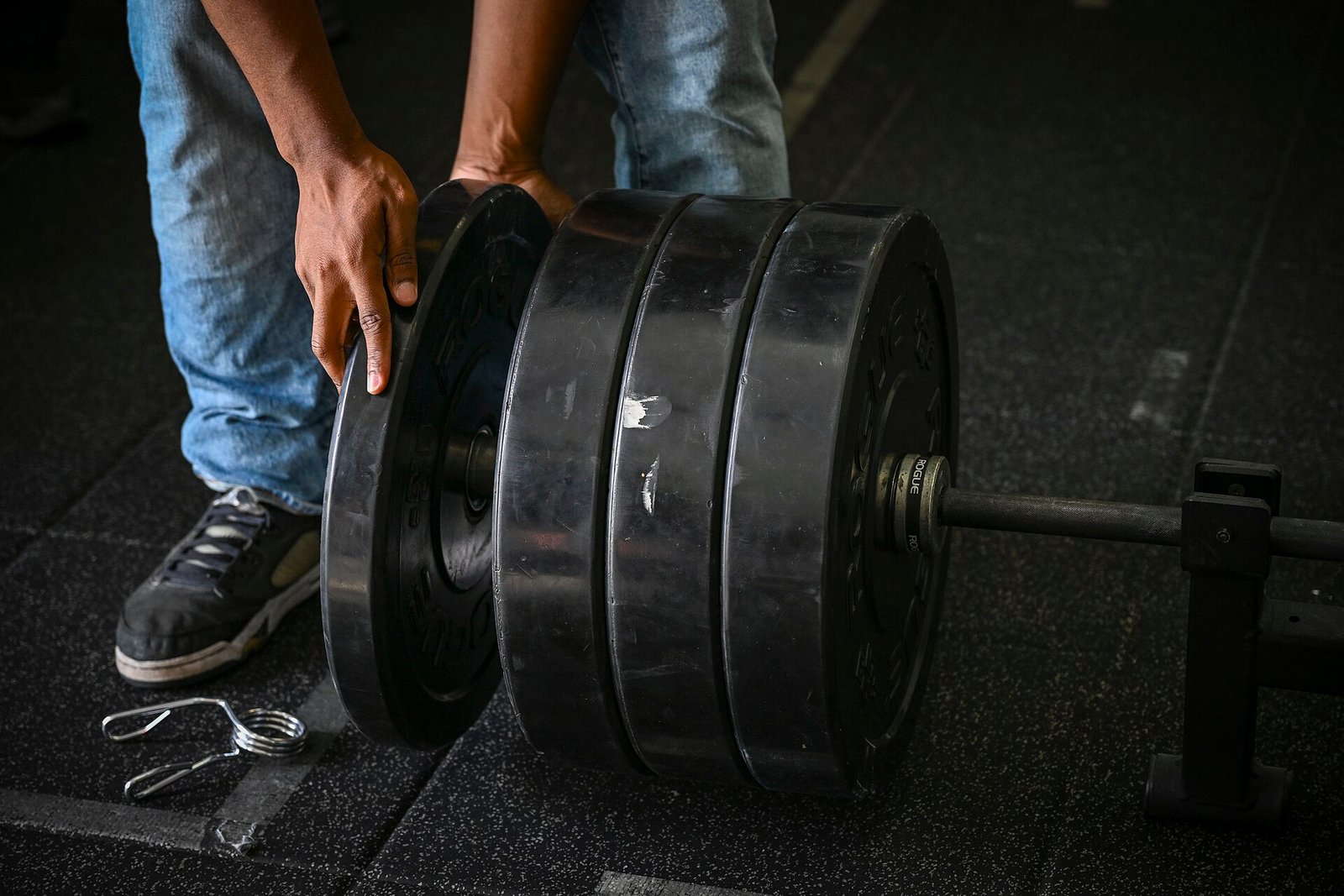
We picked bars that are genuinely sold as barbells, with clear maker specifications, and we checked each one against verified buyer reviews and spec comparisons.
This is a research-based guide. We did not buy or hands-on test these bars, and nothing here claims personal testing. Where a listing detail was old or conflicted, we say so instead of smoothing it over.
We favoured variety over repetition: an overall Olympic bar, a bearing multipurpose bar, a women’s bar, a technique bar, a budget bar, and a premium bar. That way most readers find their type in one list.
One warning up front: every capacity figure below is a MAKER claim, not a tested rating. Makers test their own bars their own way, and no two makers use the same test — so treat capacity as a comparison hint, never as a promise.
Quick Comparison
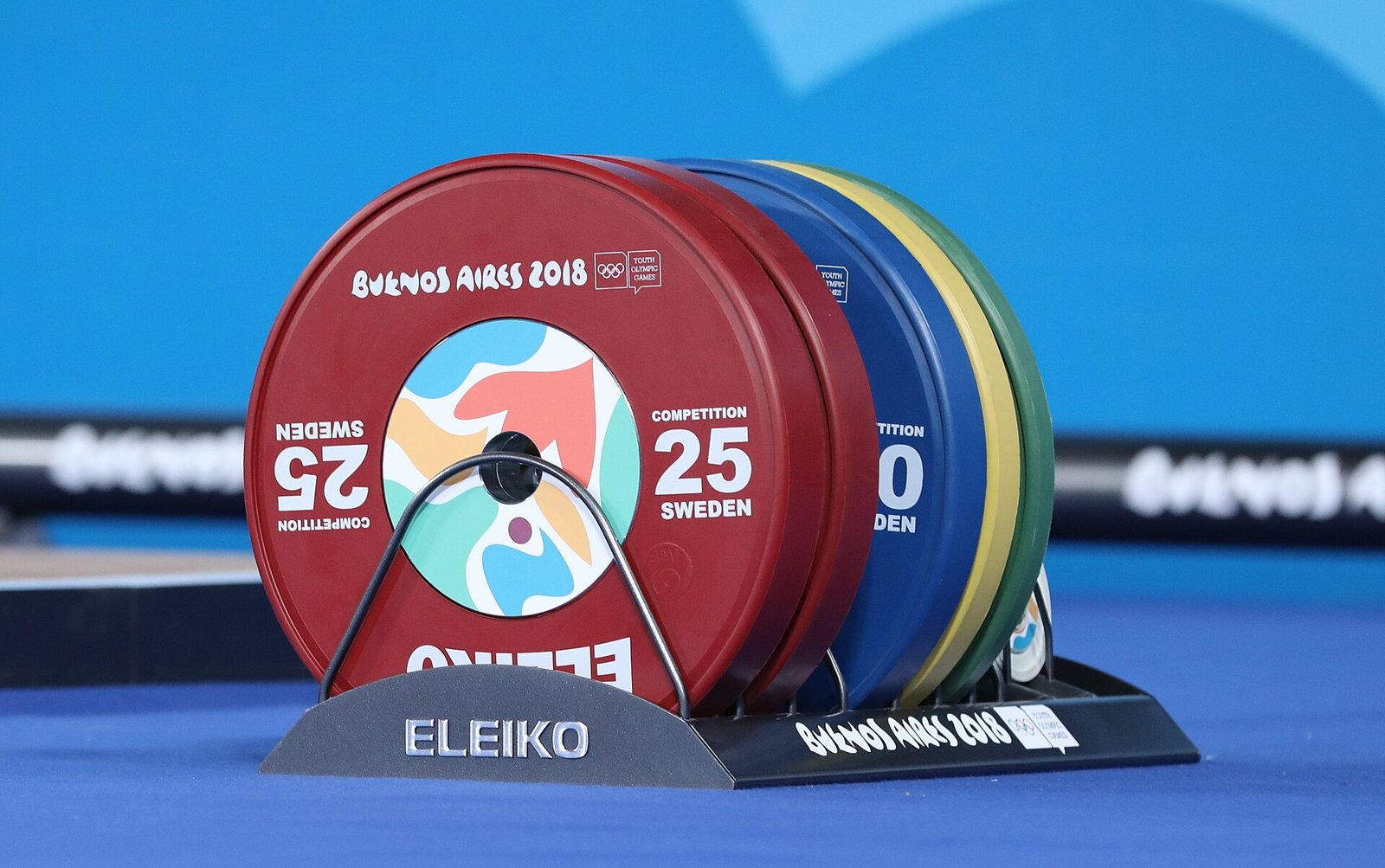
| Pick | Type | Bar weight | Shaft | Maker capacity | Best for |
|---|---|---|---|---|---|
| CAP THE BEAST | Olympic | 44 lb (20 kg) | Not stated | 1,200 lb | Best overall |
| Synergee Open 20 kg | Multipurpose, bearings | 44 lb (20 kg) | 28 mm | 1,000 lb | Best bearing bar |
| Klokov Women’s 15 kg | Women’s Olympic | 33 lb (15 kg) | 25 mm | Not stated | Best women’s bar |
| Synergee Technique 15 lb | Technique, aluminium | 15 lb | 28 mm | 200 lb | Best technique bar |
| CAP 7 ft Olympic | Budget Olympic | About 39.7 lb | 28 mm | 500 lb | Best budget |
| XMark Crowbar 7 ft | Premium multipurpose | 43 lb | 28 mm | 1,500 lb | Best premium |
Read the short version here, then the full section for the pick that matches your training. Every pick carries a confirm-current-offer note, because the listing details we verified are months old.
1. CAP Barbell THE BEAST — Best Overall
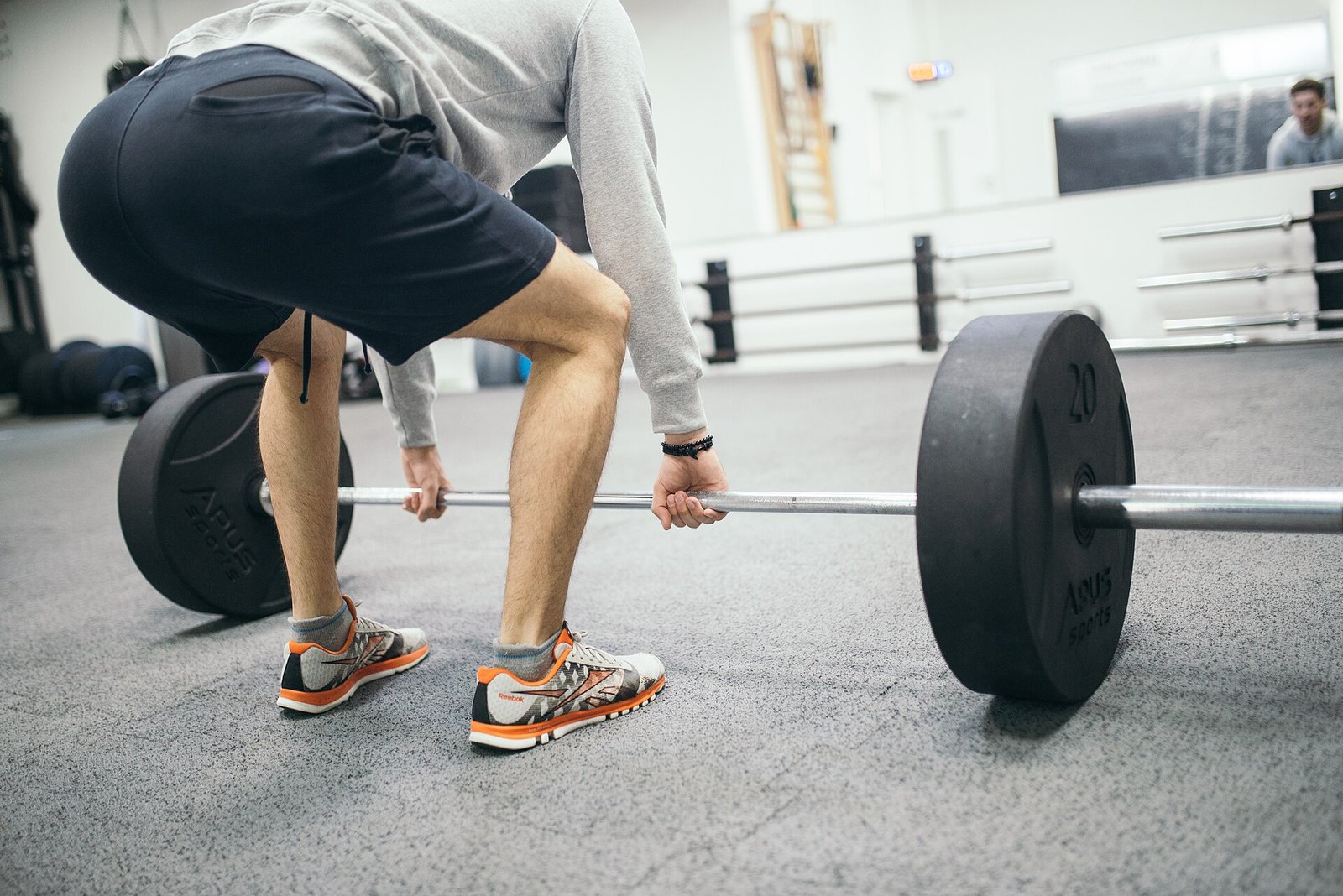
Who it suits: anyone who wants one bar for squats, deadlifts, presses and rows, without paying premium prices or learning barbell jargon first.
THE BEAST is CAP’s 7-foot Olympic bar: 44 lb (20 kg), alloy steel, 2-inch sleeves, and a maker-stated weight limit of 1,200 lb. The Black/Chrome version has no center knurl, so it will not chew your neck on squats or your shins on deadlifts.
Bar weight: 44 lb (20 kg). Maker capacity: 1,200 lb (maker claim, not a tested rating).
Pros: the best blend of capacity, price and availability in this guide; a true 7-foot, 20 kg bar that fits any standard rack; no center knurl suits lifters who hate neck scrape.
Cons: the shaft diameter and tensile strength are not stated in the listing summary, so you are buying on the capacity claim alone; the finish is basic, so it needs wiping down in humid rooms; confirm the exact variant, because CAP sells several 7-foot bars under similar names.
⚠️ Confirm the current offer before ordering — our listing check for this bar is about 194 days old.
2. Synergee Open 20 kg — Best Bearing Multipurpose Bar
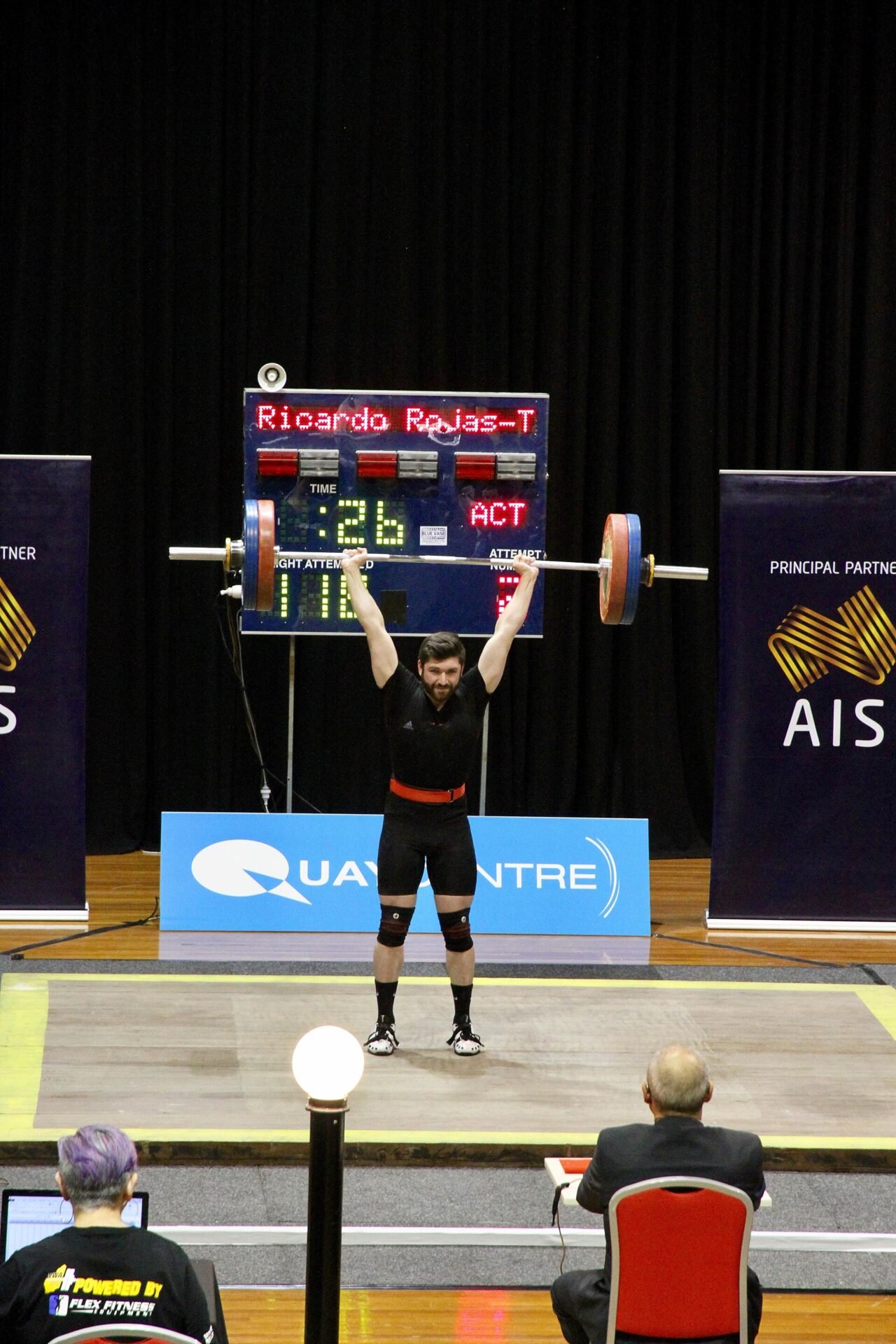
Who it suits: lifters who mix powerlifts with Olympic lifts — squats and deadlifts one day, cleans and snatches the next — and want one bar that spins properly for both.
The Open is a 20 kg multipurpose bar in alloy steel, 86.4 inches long, with a 28 mm shaft and four needle bearings (two per sleeve). Synergee rates the steel at 150,000 PSI and the bar at a 1,000 lb maximum load, and it comes in a black phosphate shaft with chrome sleeves.
Bar weight: 20 kg (44 lb). Maker capacity: 1,000 lb (maker claim, not a tested rating).
Pros: real needle bearings at a mid-range price — most bars this cheap use bushings only; dual knurl marks suit both power and Olympic lifts; black phosphate shaft with chrome sleeves is a durable, low-maintenance finish.
Cons: 1,000 lb is the lowest capacity among the full-size steel bars here, so very heavy lifters should look at the premium pick; bearings need more care than bushings if chalk and dust get inside; confirm the 20 kg version, because a 15 kg version shares the listing family.
⚠️ Confirm the current offer before ordering — our listing check for this bar is about 188 days old.
3. Klokov Women’s 15 kg — Best Women’s Bar
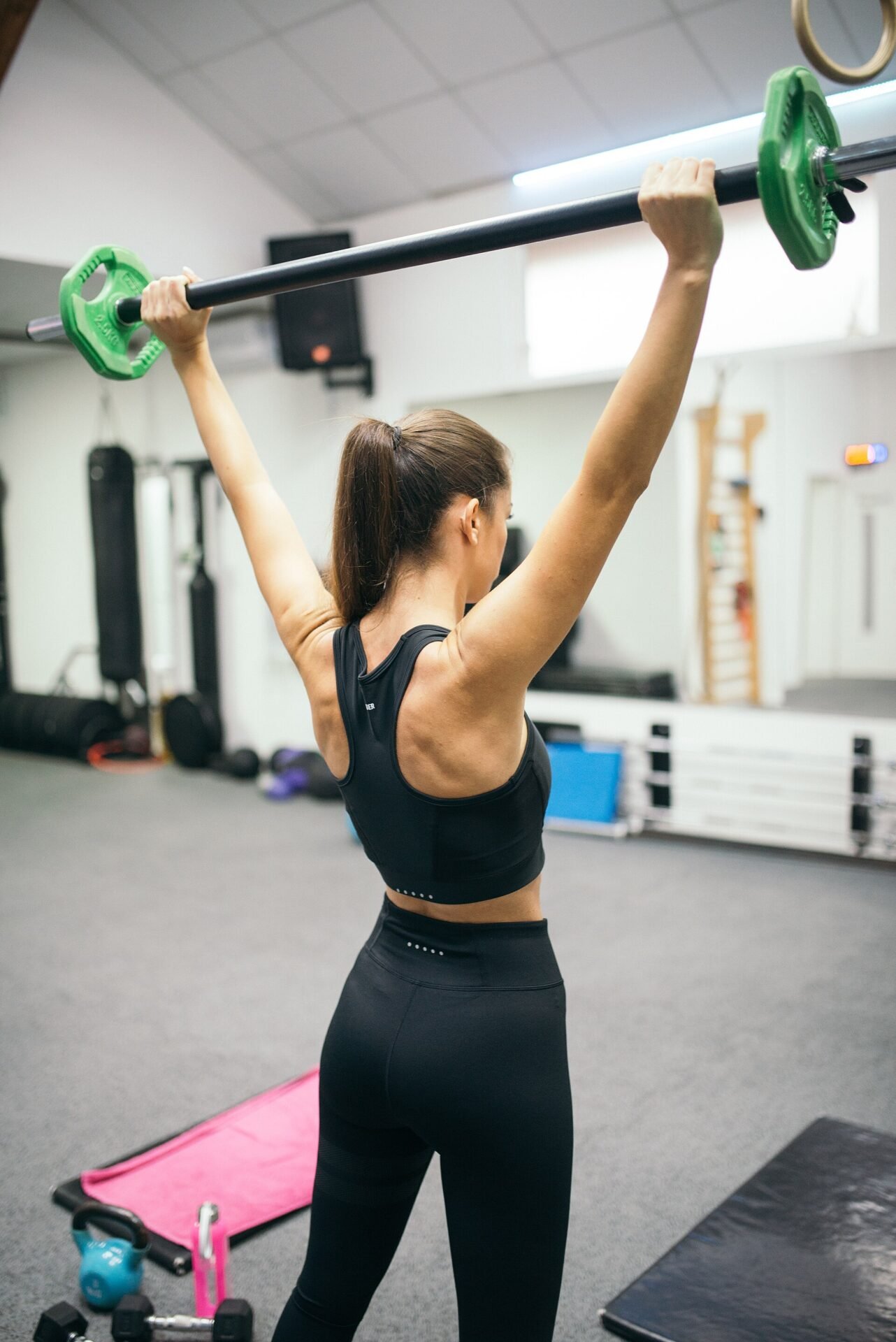
Who it suits: women lifters, smaller lifters, and anyone whose hands struggle with a thick 28–29 mm men’s shaft — plus coaches buying a proper bar for a women’s platform.
The Klokov Women’s bar is a true 15 kg Olympic weightlifting bar: 25 mm shaft, 2010 mm total length, and a maker-guaranteed weight tolerance of 20 g / −10 g, which is tighter than most budget bars manage. It is built for Olympic lifting, not as a cut-down men’s bar.
Bar weight: 15 kg (33 lb). Maker capacity: not stated in the listing summary — confirm the load rating before ordering heavy work.
Pros: a genuine 25 mm women’s shaft, not a men’s bar painted pink; tight weight tolerance for a bar at this level; shorter length suits smaller racks and tighter home gyms.
Cons: no maker capacity figure in the listing summary, so heavy lifters cannot compare it on paper; the listing family shows several shaft diameters across variants, so confirm you are buying the 15 kg / 25 mm version before ordering.
⚠️ Confirm the current offer and exact variant before ordering — our listing check for this bar is about 188 days old.
4. Synergee 15 lb Technique Bar — Best Technique Bar
Who it suits: beginners learning the snatch and clean, young lifters, and anyone coming back from a layoff who needs to rebuild positions before chasing weight.
The Technique Bar is aluminium, not steel: 15 lb, 69.5 inches long, 28 mm diameter, dual knurl marks, and bushings for a familiar spin. It takes standard 2-inch bumper plates and collars and fits a standard squat rack, so the whole setup feels like a real barbell — just 20–30 lb lighter.
Bar weight: 15 lb. Maker capacity: 200 lb (maker claim, not a tested rating). Tensile strength 42,000 PSI — far below a steel bar, which is exactly why it is a technique tool, not a lifetime bar.
Pros: the cheapest safe way to learn Olympic lifts with real positions; same diameter and knurl marks as a standard bar, so skills transfer directly; light enough for young lifters and rehab-style rebuilding.
Cons: 200 lb is a hard ceiling — Synergee itself says to move up to an Olympic bar once you consistently lift 135 lb; aluminium will not survive drops the way steel does; the listing crawl showed no featured offers at that time, so availability needs checking.
⚠️ Confirm the current offer before ordering — our listing check for this bar is about 301 days old, the oldest in this guide, and the crawl showed no featured offers at that time.
5. CAP 7 ft Olympic Bar — Best Budget
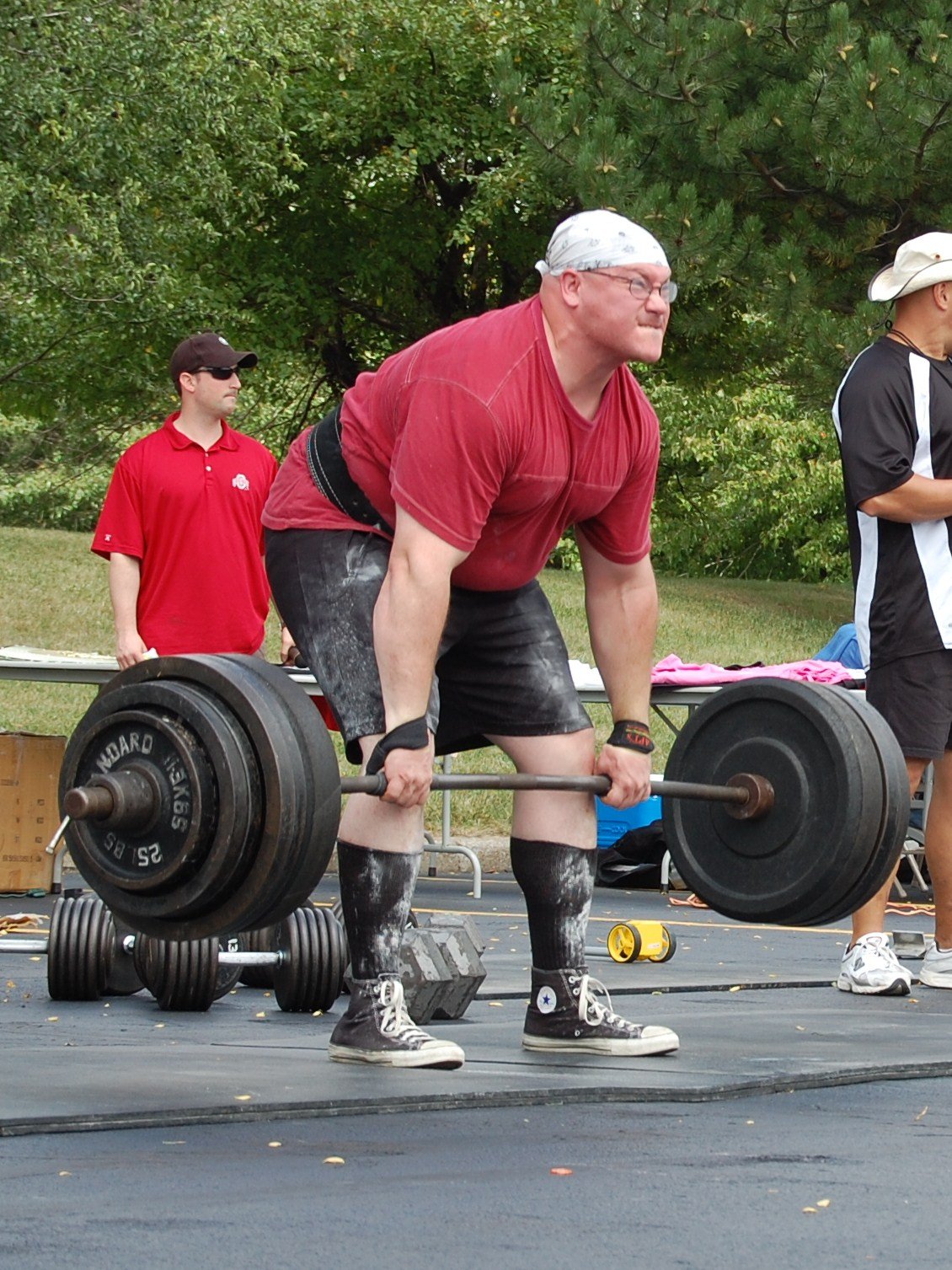
Who it suits: first-time home gym buyers who need a working 7-foot bar now and plan to upgrade later, or lifters who want a second bar for landmine work.
This is CAP’s value 7-foot Olympic bar: 28 mm grip, bronze bushings, and a maker-stated limit of 500 lb. It takes 2-inch plates, fits a standard rack, and does the basic job — squats, presses, deadlifts and rows — for far less than a premium bar.
Bar weight: about 39.7 lb — lighter than a standard 44 lb bar, so weigh it if exact bar weight matters to your training. Maker capacity: 500 lb (maker claim, not a tested rating).
Pros: the lowest entry cost in this guide; a real 7-foot, 2-inch bar that fits standard racks and plates; bronze bushings give a smooth-enough spin for basic lifts.
Cons: 500 lb is the lowest capacity among the steel bars here, and the lighter bar weight shows the steel is thinner; the listing crawl showed no featured offers at that time; treat it as a starter bar, not a forever bar.
⚠️ Confirm the current offer before ordering — our listing check for this bar is about 210 days old, and the crawl showed no featured offers at that time.
6. XMark Crowbar 7 ft — Best Premium
Who it suits: serious home gym lifters who want one bar for everything — Olympic lifts, powerlifts and heavy training — and would rather buy once than upgrade twice.
The Crowbar is XMark’s 7-foot multipurpose bar: solid heat-treated alloy steel, 43 lb, 86.5 inches long, 28 mm grip shaft with center knurling, and 16.25-inch loadable sleeves. The shaft carries a Cerakote finish over brass bushings, and XMark rates the steel at 185,000 PSI with a 1,500 lb capacity.
Bar weight: 43 lb. Maker capacity: 1,500 lb (maker claim, not a tested rating).
Pros: the highest capacity and tensile strength in this guide; Cerakote shaft finish resists corrosion better than plain chrome or black oxide; center knurling helps the bar stay put on squats; brass bushings are low-maintenance and long-lived.
Cons: the most expensive bar here; center knurling can scrape the neck and shins if you dislike it; XMark sells direct, so Amazon availability is not guaranteed.
⚠️ We could not confidently source a US Amazon ASIN for this bar, so the link below is a tagged Amazon search for it, not a direct product page — check the exact bar on the results page before ordering.
Search for the XMark Crowbar 7 ft Olympic Barbell on Amazon
How to Choose
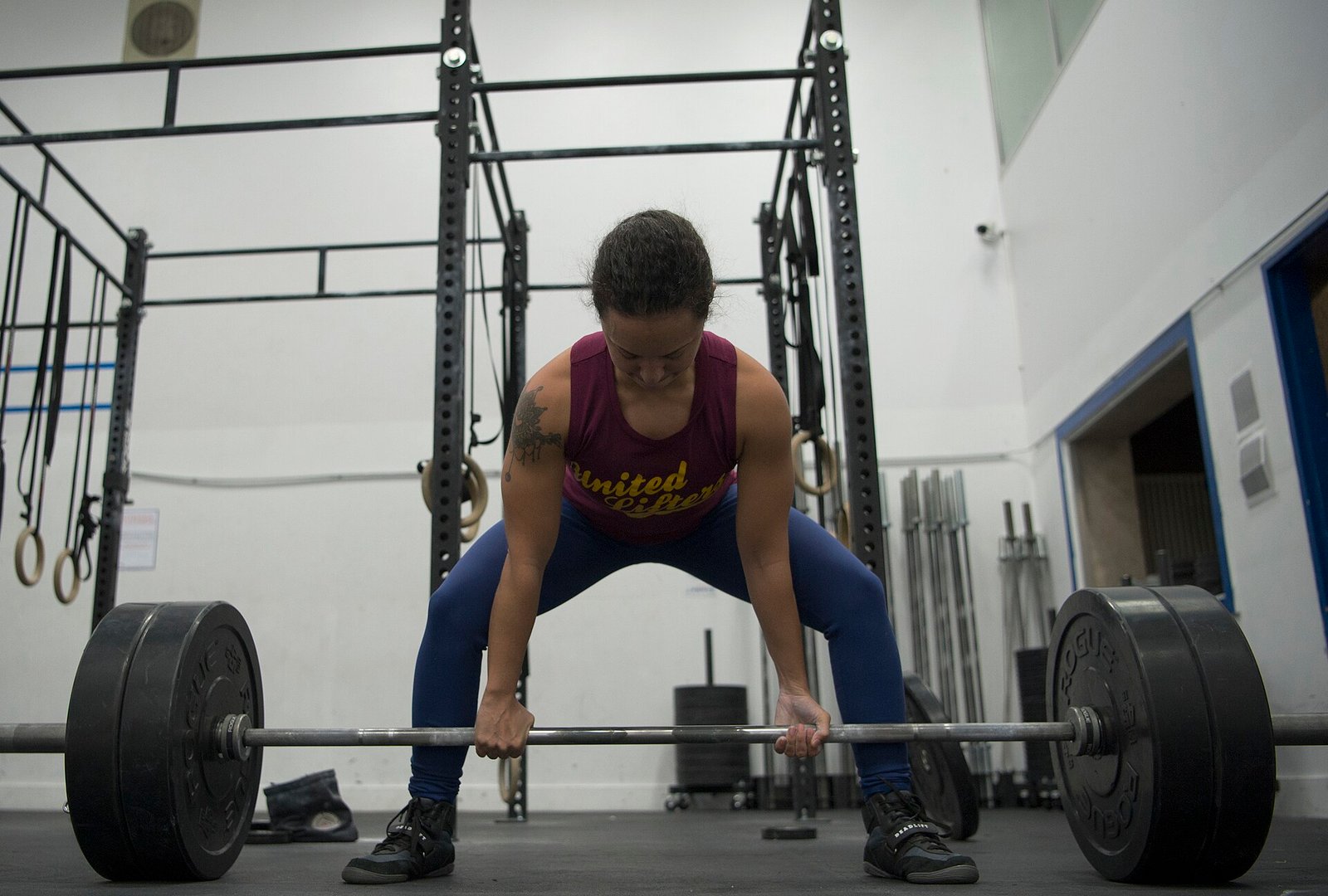
Start from your training, not the brand. A bar that is perfect for slow powerlifts can be wrong for fast Olympic lifts, and the other way round.
Remember the distinctions from the top of this guide: bumper plates are the load, collars lock the load on, and racks store the bar — none of them is the bar. Judge the bar on its own shaft, sleeves and spin.
Bar Type: Olympic, Power, Multipurpose, Women’s, or Technique?
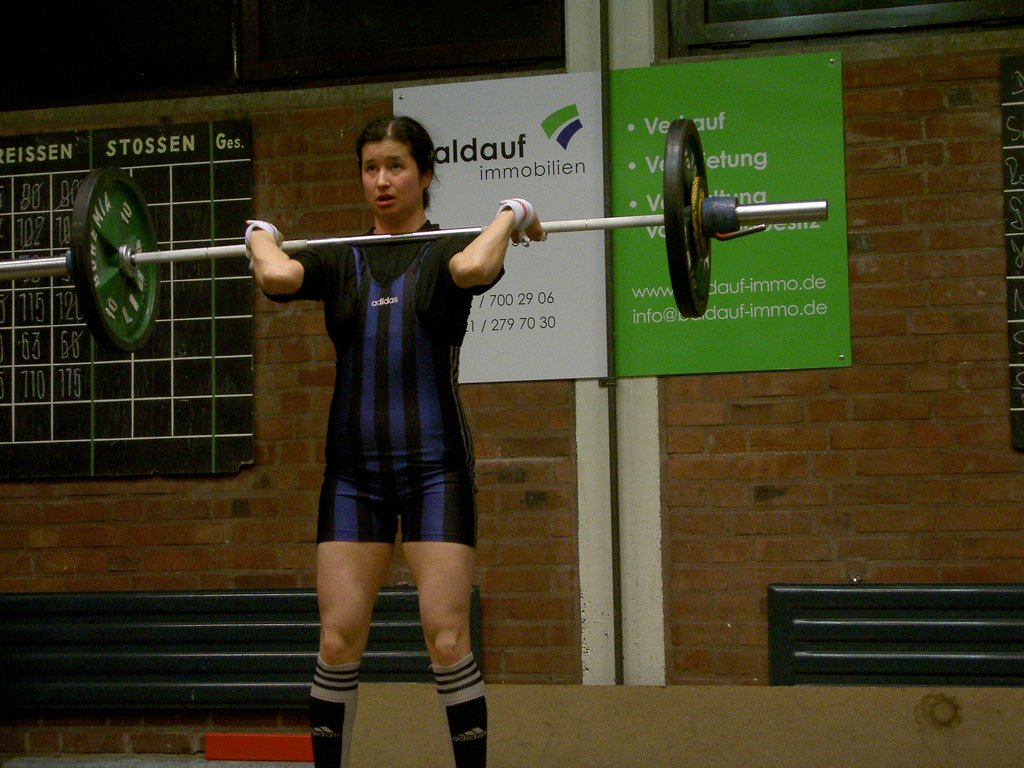
Olympic (weightlifting) bars are made for the snatch and clean and jerk: 28 mm shafts, fast-spinning sleeves, and whip that helps the bar move. They usually have no center knurl, or a mild one.
Power bars are made for squat, bench and deadlift: stiffer steel, thicker 28.5–29 mm shafts, aggressive knurling, and a center knurl that grips your back on squats. They spin less, because a slow lift does not need spin.
Multipurpose bars split the difference: 28 mm shafts, moderate knurling, and bushings or bearings that spin well enough for cleans without feeling loose on squats. Most home gym lifters should start here.
Women’s bars are 15 kg with 25 mm shafts and shorter lengths — real Olympic bars built for smaller hands, not scaled-down toys. Technique bars are aluminium, 15 lb, and built only for learning positions — never for heavy training.
Shaft Diameter and Knurling
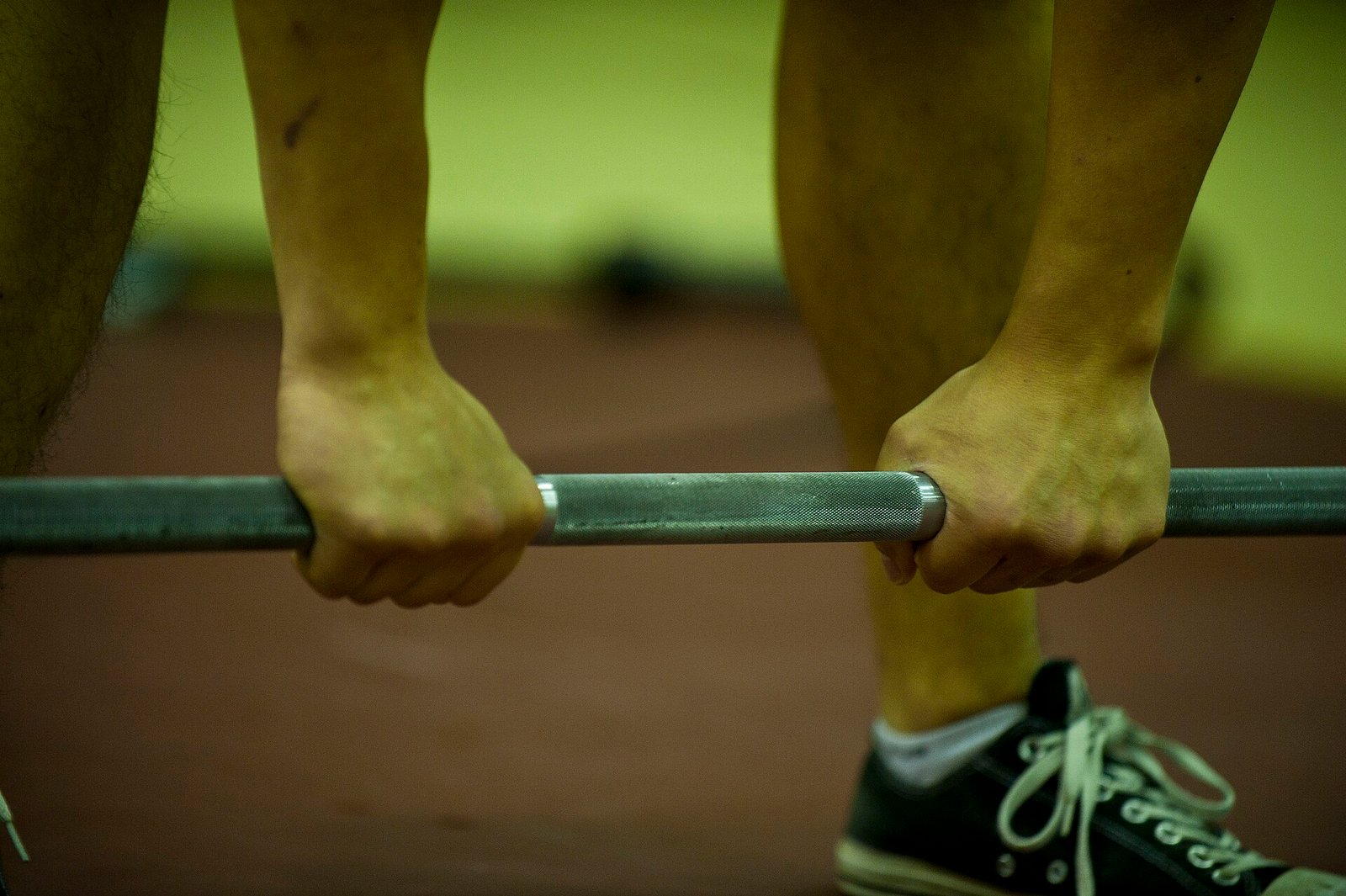
Shaft diameter changes how the bar feels more than any other number. A 25 mm shaft suits smaller hands; 28 mm is the multipurpose standard; 28.5–29 mm suits powerlifters who want a stiff, thick bar that barely flexes.
Knurling is the crosshatch pattern cut into the steel. Shallow, fine knurling is comfortable for high-rep work; deep, sharp knurling grips better but tears calluses faster. There is no best depth — only what your hands tolerate.
Center knurling is the strip in the middle of the shaft. It stops the bar sliding down your back on squats, but it scrapes the neck and shins. If you hate it, pick a bar without it, like THE BEAST’s Black/Chrome version.
Knurl marks are the smooth rings that show where to put your hands: powerlifting marks are wider apart, Olympic marks narrower. Dual-marked bars carry both, which is why multipurpose bars suit mixed training.
Sleeve Spin: Bushings vs Bearings
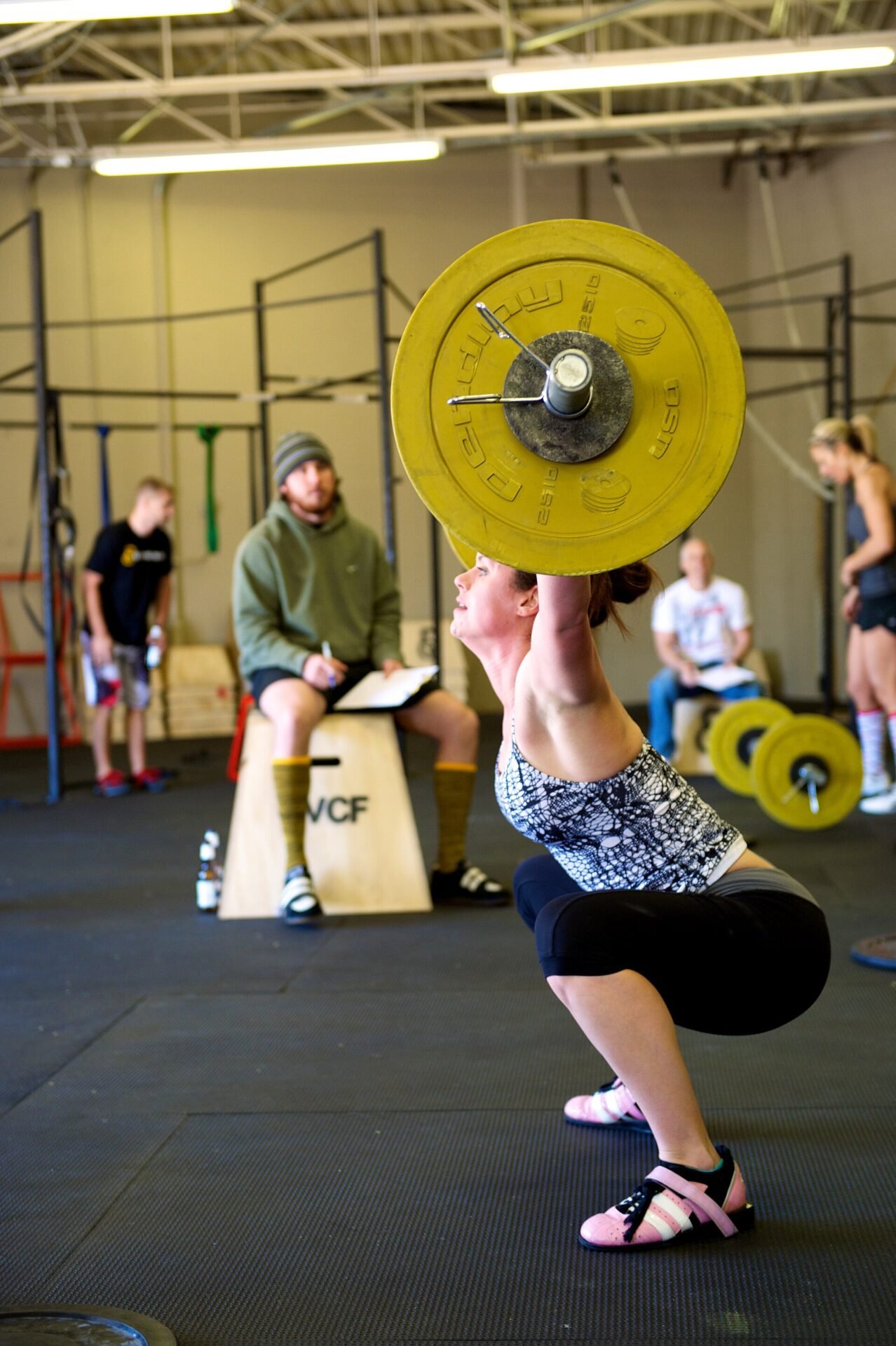
Sleeves are the rotating ends the plates slide onto. How they rotate decides whether the bar turns with you or fights you on fast lifts.
Bushings are simple sleeves — usually bronze or brass — that rotate smoothly and need almost no maintenance. They suit powerlifts and general training, and they last for years with a wipe and a drop of oil now and then.
Bearings are needle bearings inside the sleeve that spin far more freely. They suit Olympic lifts, where the bar must turn fast under you during a snatch or clean. They cost more and need more care — chalk and dust inside a bearing sleeve will slow it down.
For most home gym lifters, bushings are enough. Buy bearings only if you actually train Olympic lifts regularly; otherwise you are paying for spin you will never use.
Tensile Strength and Weight Capacity
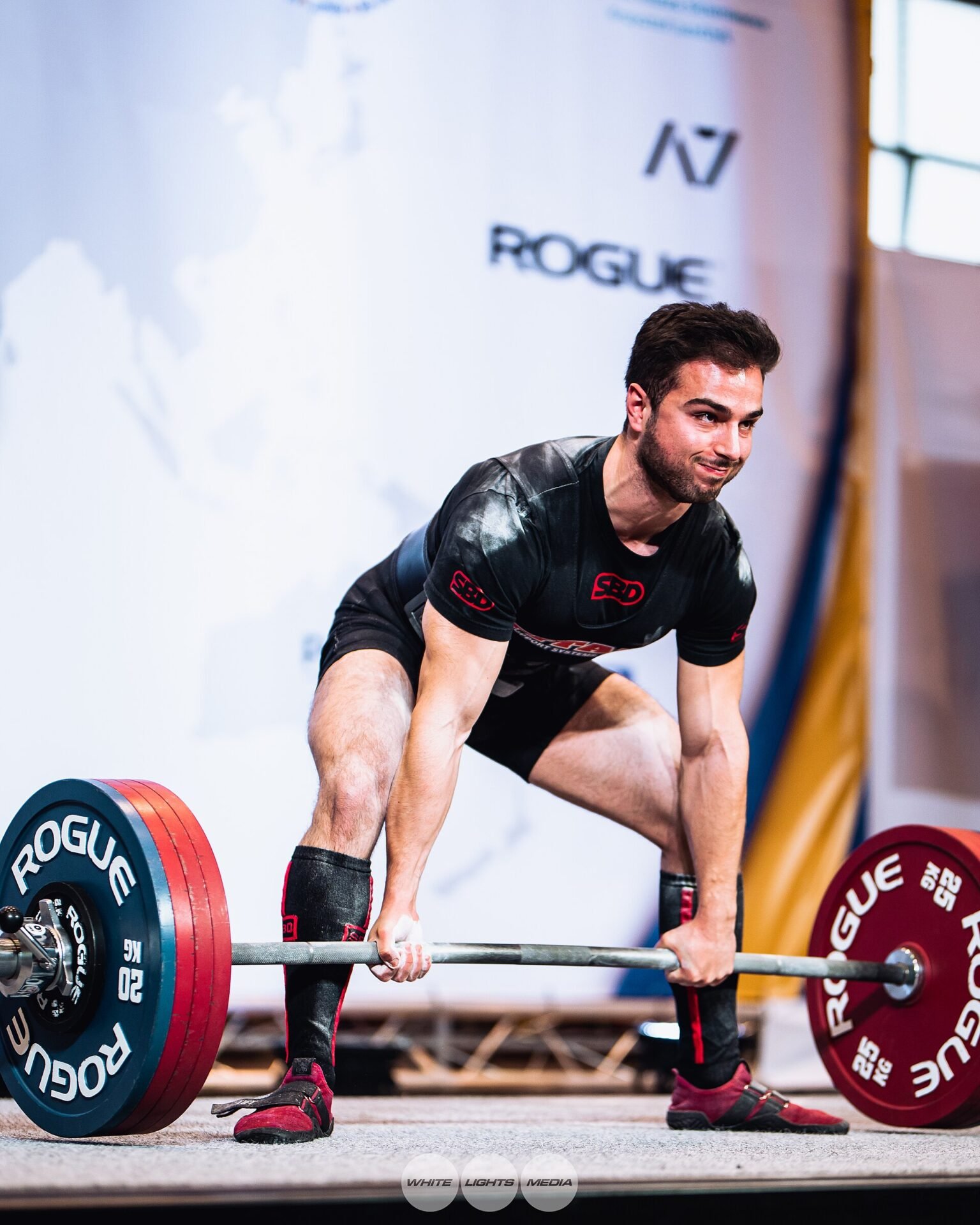
Tensile strength (PSI) measures how much pulling force the steel can take before it breaks. Higher PSI generally means stronger steel — 150,000 PSI is solid, 185,000–190,000 PSI is premium, and 42,000 PSI (the technique bar) is deliberately soft.
Weight capacity is the maker’s stated maximum load. It is NOT a tested rating, and makers do not share a test method — one maker’s 1,500 lb may be tested differently from another’s 1,000 lb. Compare capacities only within one maker’s line, never across brands as gospel.
What actually matters for home gyms is simpler: a 500 lb bar is plenty for most lifters, 1,000 lb covers serious training, and 1,500 lb is for lifters who will never need it but want the headroom. Buy the capacity you will actually use, not the biggest number on the page.
A bar’s real enemy is not a single heavy lift — it is years of drops, uneven loading, and rust. A mid-range bar kept dry and loaded evenly will outlast a premium bar abused in a damp garage.
Finish and Maintenance
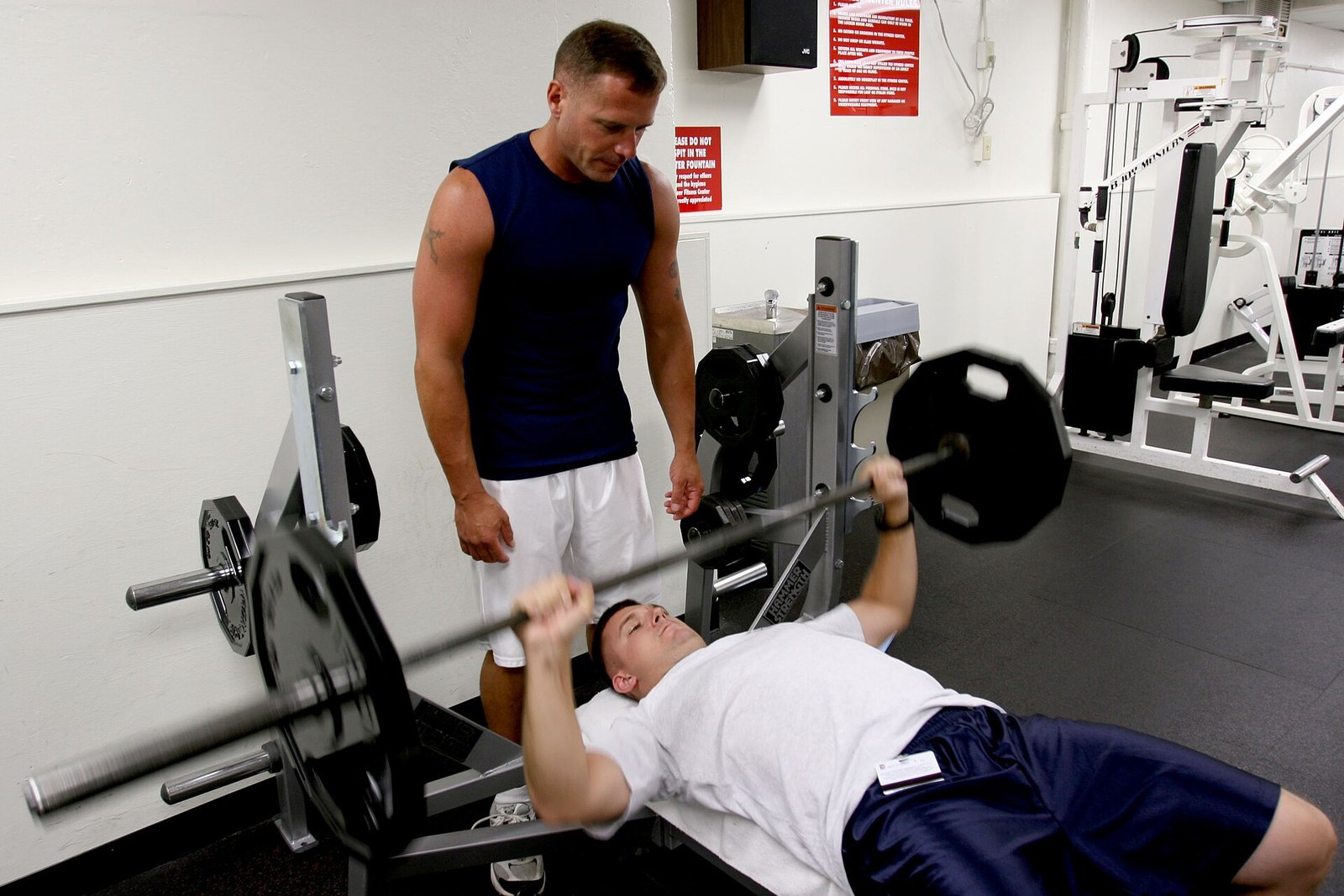
Finish is the coating on the shaft and sleeves, and it decides how the bar handles sweat, chalk and humidity. Bare steel feels best and rusts fastest; it needs oiling after every session in a damp room.
Chrome is the classic low-maintenance finish: hard, smooth, and easy to wipe. Black oxide and black phosphate look better and grip slightly more, but they need a wipe-down after sweaty sessions or they will spot.
Cerakote is a thin ceramic coating that resists corrosion better than chrome or oxide and comes in colours. It costs more, and it slightly softens the knurl feel — a fair trade for a bar stored in a garage.
Whatever the finish, the maintenance is the same: brush chalk out of the knurling with a stiff brush, wipe the shaft down after training, oil the sleeves occasionally, and store the bar horizontally on a rack — never leaning in a corner, where it can bend over time.
What No Barbell Makes Safe
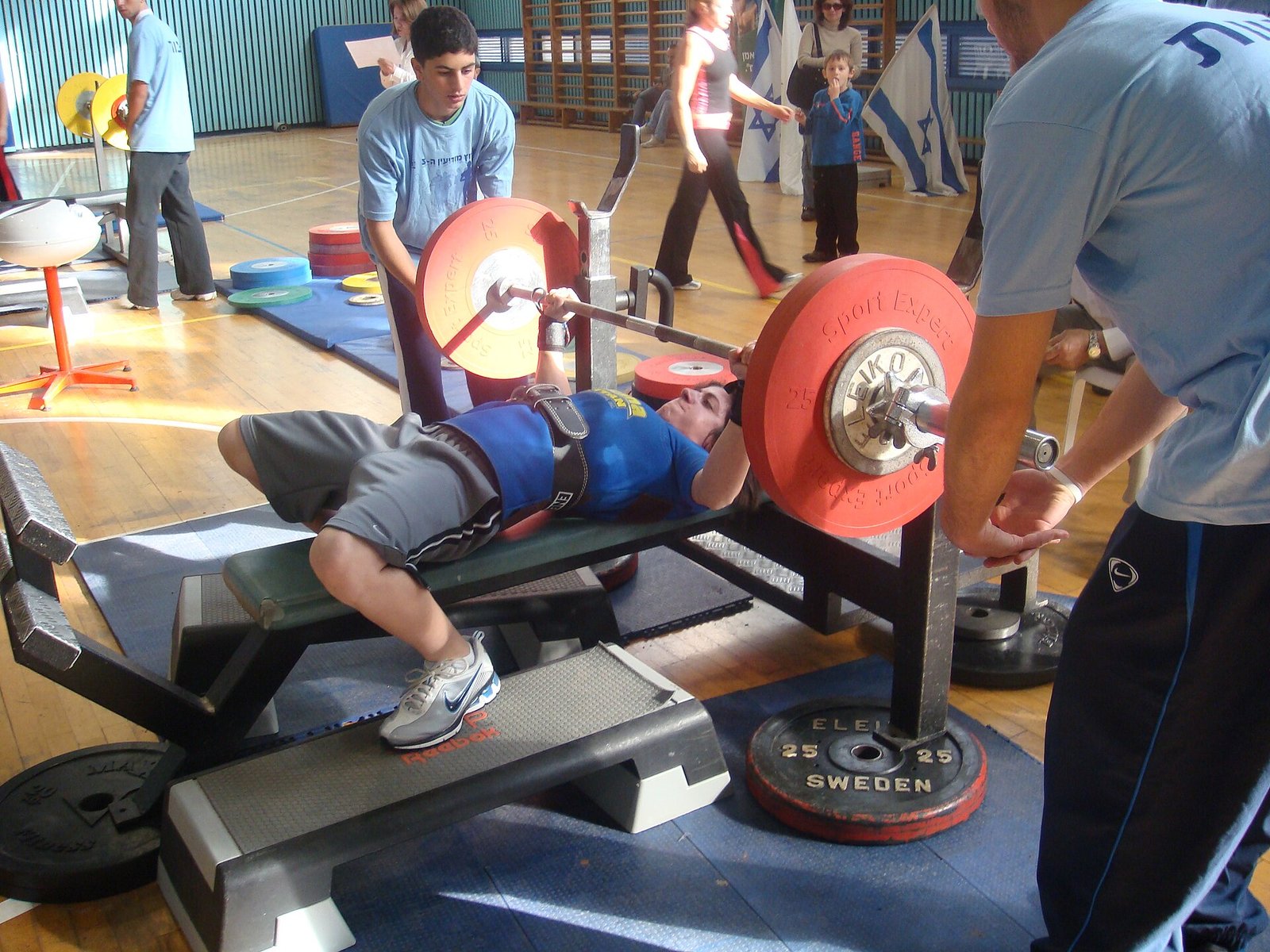
Let us be plain: a barbell does not build strength by itself, does not replace progressive training, coaching, or a spotter, and does not make heavy lifting safe.
Always use collars, and load plates evenly on both sides. A bar loaded on one side only will tip, roll, and throw plates — it has injured more home gym lifters than any bent bar ever has.
Check the sleeves and knurling before you lift, never drop an empty bar or a bar loaded only on one side, and use a spotter or safety arms for bench press and squats. If a bar is bent or a sleeve is loose, stop using it — a bent bar loads your joints unevenly and a loose sleeve can drop plates without warning.
This is general information only, not medical or coaching advice. If you have a back, shoulder or joint condition, talk to a clinician or a qualified coach before starting barbell training.
Frequently Asked Questions
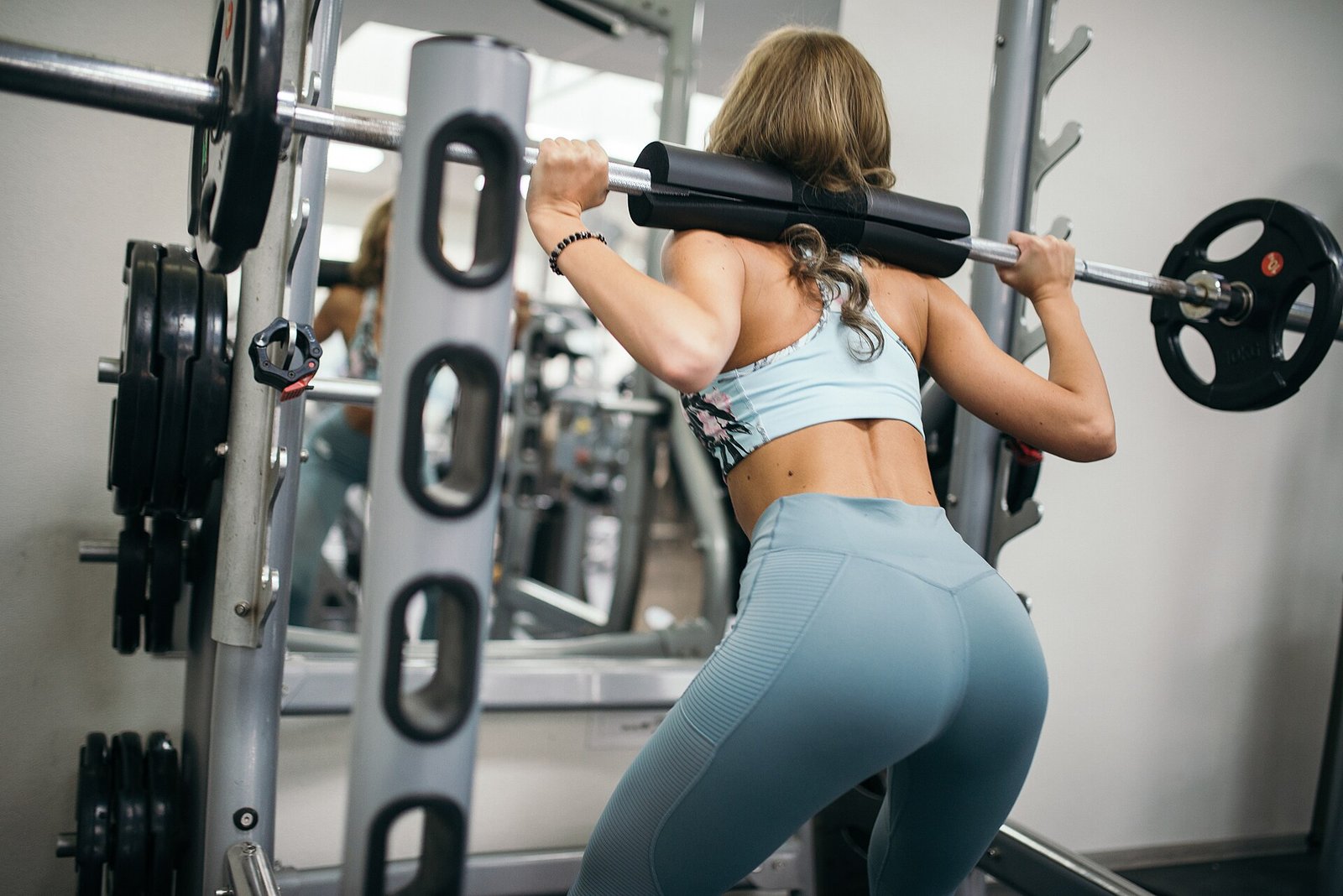
Olympic bar or power bar — which should I buy first?
Buy a multipurpose bar first, unless you only train one style. A multipurpose bar handles squats, deadlifts, presses and cleans well enough that most home gym lifters never need a second bar.
What shaft diameter should I buy?
28 mm for mixed training, 28.5–29 mm for pure powerlifting, 25 mm for women’s bars and smaller hands. If your hands are small, a thinner shaft will improve your grip more than any knurling ever will.
Bushings or bearings?
Bushings for powerlifts and general training; bearings for Olympic lifts. If you do not snatch or clean regularly, bushings are cheaper, tougher, and easier to maintain.
Do I need a 20 kg or a 15 kg bar?
20 kg is the standard men’s bar; 15 kg is the standard women’s bar. The weight matters for your training numbers too — a 15 kg bar with 100 kg of plates is 115 kg total, not 120 kg.
Can I drop a barbell?
Only on a proper platform with bumper plates, and only a bar rated for it. Dropping a bar on a bare floor, or dropping a budget bar at all, will bend sleeves, crack plates, and damage your floor — and it voids most warranties.
What plates and collars fit a 2-inch bar?
Any Olympic plate with a 2-inch hole, and any 2-inch collar. See our bumper plates guide for the load and our barbell collars guide for the locks — and our weight benches guide if you need something to press from.
Our Pick in One Line
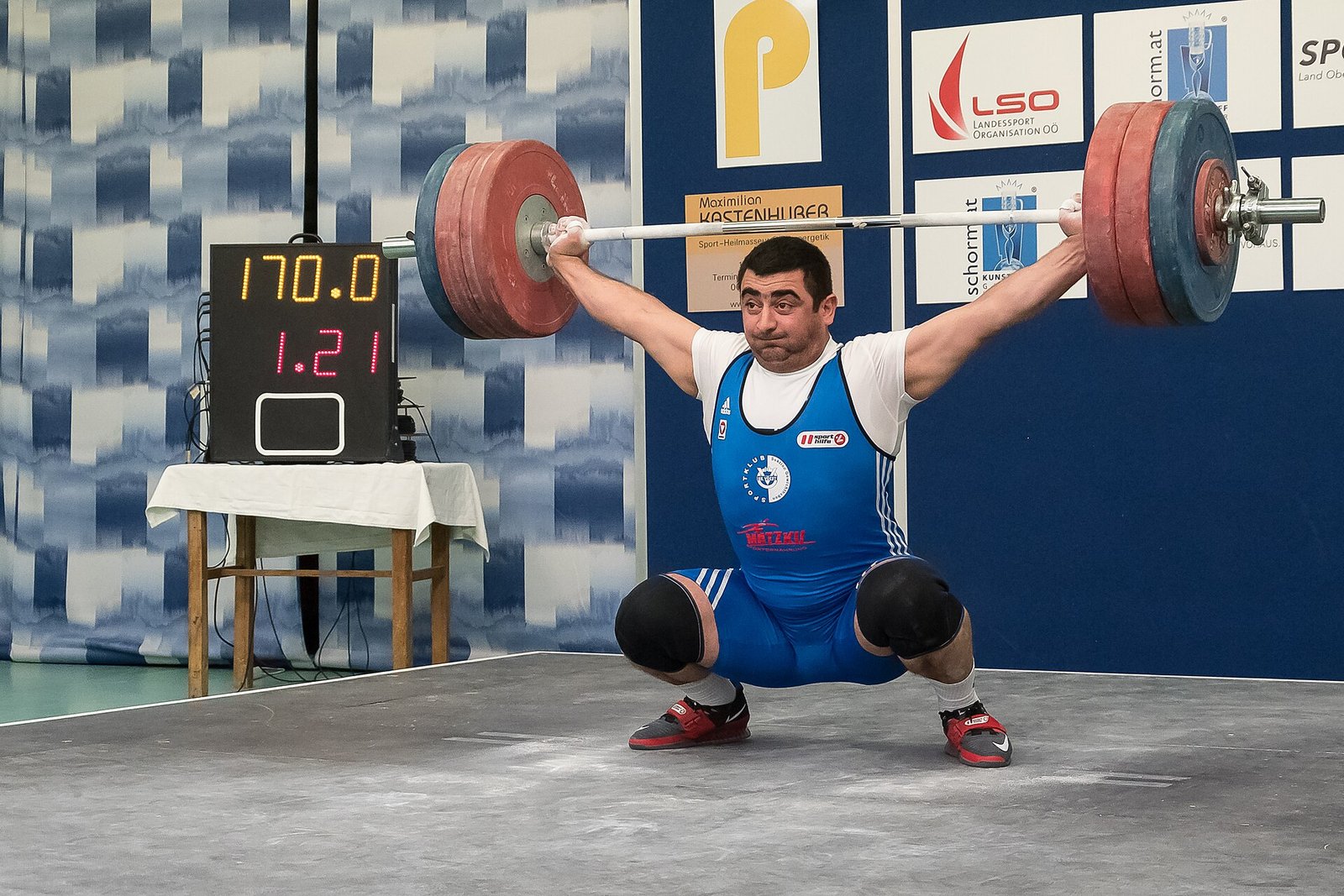
If you want one bar for everything, the CAP THE BEAST is our pick: a true 7-foot, 20 kg Olympic bar with a 1,200 lb maker capacity, at a price that leaves money for plates.
If you train Olympic lifts seriously, get the Synergee Open for its bearings. If you are a woman lifter or have small hands, get the Klokov 15 kg. If you are learning, start with the Synergee Technique Bar and move up when you consistently lift 135 lb.
Whichever bar you choose, use collars every time, load both sides evenly, and wipe the bar down after every session. The bar is the one tool every lift runs through — buy it once, look after it, and it will outlast the rest of your gym. 💪
As an Amazon Associate, we earn from qualifying purchases made through links on this page, at no extra cost to you.
This guide is research-based: we compared maker specifications and verified buyer reviews rather than hands-on testing, and prices and availability change, so please check the current offer on the product page before ordering.